Introduction: Why NCR Needed Strict ELV Scrappage Laws
The National Capital Region (NCR)—including Delhi, Gurugram, Noida, Ghaziabad, Faridabad, and surrounding areas—has consistently ranked among the most polluted regions in the world. One of the largest contributors to air pollution and traffic congestion is the continued use of old, inefficient, and poorly maintained vehicles.
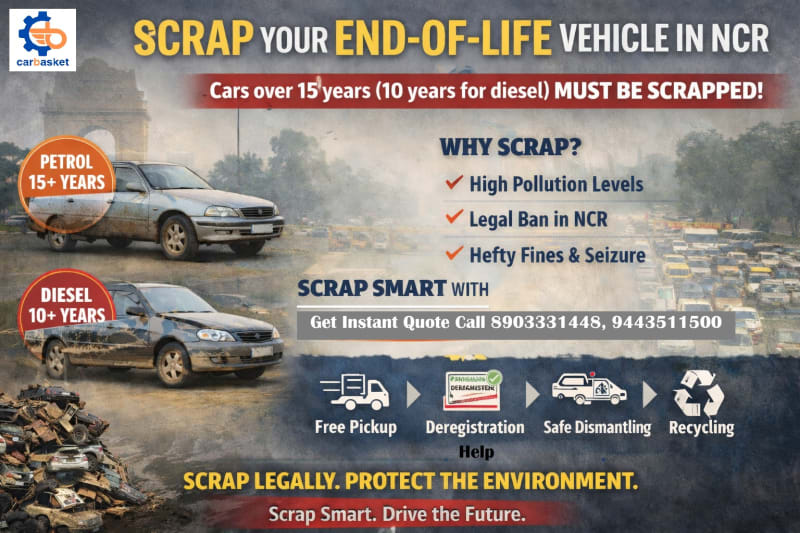
To tackle this growing crisis, government bodies introduced strict End-of-Life Vehicle (ELV) scrappage laws, making it mandatory to remove aging vehicles from NCR roads.
Under the current rules:
- Petrol vehicles older than 15 years
- Diesel vehicles older than 10 years
👉 must be scrapped and cannot legally operate in NCR, irrespective of their condition.
What Is an End-of-Life Vehicle (ELV)?
An End-of-Life Vehicle (ELV) is a vehicle that:
- Has exceeded the legally permitted age, or
- Fails fitness and emission standards, or
- Is declared unfit for road use by authorities
In NCR, ELV classification is primarily age-based, not condition-based.
ELV Age Rules in NCR
Vehicle Type Maximum Legal Age
Petrol / CNG / LPG 15 years
Diesel 10 years
Even if:
- The vehicle looks well-maintained
- Has low mileage
- Passes emissions in other states
👉 It is illegal to run in NCR once it crosses the age limit.
Why Old Vehicles Are a Major Pollution Source
Older vehicles:
- Lack modern emission control technology (BS-IV / BS-VI)
- Emit 3–6 times more PM2.5 and NOx
- Consume more fuel
- Break down frequently, increasing congestion
- Have inefficient engines and worn components
Studies have shown that a small percentage of old vehicles contribute a disproportionately large share of pollution, making ELV scrappage one of the fastest pollution-control measures.
The Legal Framework Behind NCR ELV Scrappage
Key Authorities Involved
- Supreme Court of India
- National Green Tribunal (NGT)
- Ministry of Road Transport & Highways (MoRTH)
- Transport Departments & Traffic Police
Core Legal Provisions
- Motor Vehicles Act, 1988
- Central Motor Vehicles Rules (CMVR)
- NGT Orders on NCR Pollution
- MoRTH Vehicle Scrappage Policy
What the Law Clearly States
- ELV vehicles cannot be re-registered in NCR
- Fuel stations can deny fuel
- Traffic police can seize ELV vehicles
- RC renewal is not allowed in NCR
- Vehicles must be scrapped through authorised channels
Common Misconception: “I’ll Take My Old Car to Another State”
❌ Myth
“I’ll sell or re-register my NCR car in another state.”
✅ Fact
- NCR-registered ELVs cannot be legally transferred for use
- Interstate resale often leads to illegal circulation
- Liability can still fall on the original owner
- RC cancellation remains incomplete without scrappage
Legal scrappage is the only clean exit.
What Happens If You Don’t Scrap Your ELV?
If you continue to hold or use an ELV vehicle in NCR:
- Heavy fines and challans
- Vehicle seizure
- Insurance invalidation
- No resale value later
- Legal liability if misused
- Environmental non-compliance
Why Authorised Scrappage Is Mandatory
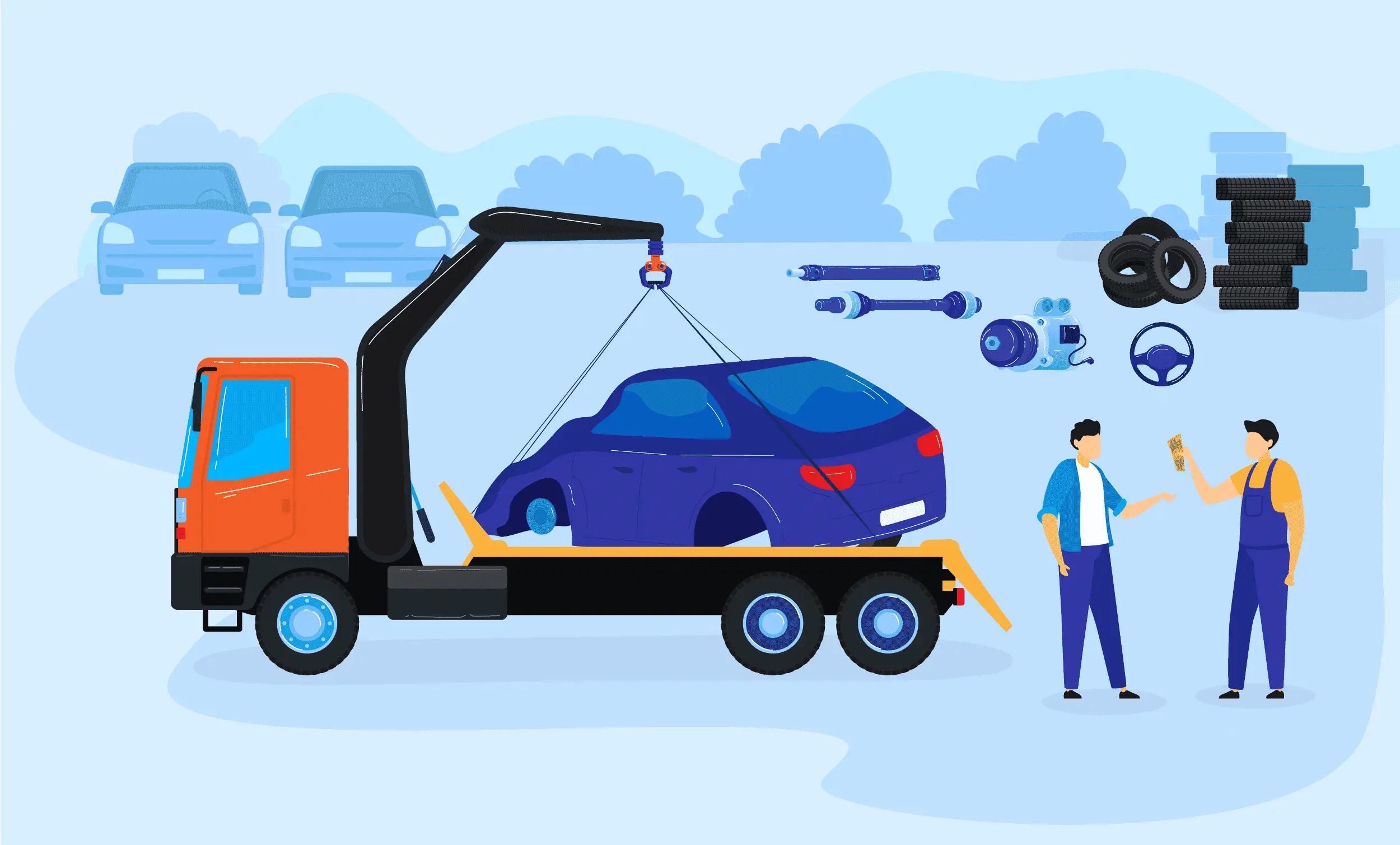
Scrapping is not just destroying the vehicle—it is a regulated legal process involving:
- De-registration help
- Environment-safe dismantling
- Material recovery & recycling
- Proof of closure
Unorganised scrap dealers:
- Do not ensure RC cancellation
- May resell parts illegally
- Can reuse chassis or engine numbers
- Expose owners to future legal risks
Role of Carbasket in NCR Vehicle Scrappage
Carbasket acts as a compliance-first vehicle scrapping platform, helping NCR vehicle owners exit the system legally, safely, and transparently.
What Carbasket Does
- ✅ ELV eligibility check
- ✅ Doorstep vehicle inspection
- ✅ Pickup coordination
- ✅ Guidance on RC cancellation
- ✅ Authorised scrappage routing
- ✅ Transparent scrap valuation
- ✅ End-to-end documentation support
Why NCR Owners Choose Carbasket
- NCR-specific ELV expertise
- Handles complex cases (lost RC, hypothecation, deceased owner)
- Protects owners from post-sale misuse
- Saves time, stress, and legal exposure
Carbasket doesn’t just scrap vehicles — it closes them legally.
Step-by-Step: How ELV Scrappage Works with Carbasket
- Submit vehicle details (age, fuel type, NCR location)
- Eligibility confirmation
- Document verification
- Vehicle pickup
- Authorised dismantling
- RC cancellation support
- Scrap & closure confirmation
Environmental Impact of Scrapping ELVs
Each ELV scrapped:
- Reduces air pollution
- Saves raw materials
- Supports circular economy
- Prevents illegal resale
- Makes NCR roads safer
Scrapping is not waste - it is resource recovery.
Final Thought: Scrap Smart, Not Forced
NCR’s ELV law is not just a ban - it’s a reset for cleaner mobility. Old vehicles have served their purpose. Scrapping them responsibly is a legal duty, environmental responsibility, and personal safety measure.
👉 If your car is over 15 years (10 years diesel), don’t wait for penalties.
Scrap it the right way with Carbasket.
Scrap Smart. Drive the Future.
FAQs – ELV Vehicle Scrappage in NCR
1. Is it mandatory to scrap a 15-year-old petrol car in NCR?
Yes. Petrol vehicles older than 15 years cannot legally operate in NCR and must be scrapped.
2. What is the diesel vehicle age limit in NCR?
Diesel vehicles older than 10 years are banned and must be scrapped.
3. Can I renew RC for an old car in NCR?
No. RC renewal is not permitted for ELV vehicles in NCR.
4. Can I sell my old NCR car outside Delhi?
Selling without proper scrappage and RC cancellation is risky and often illegal.
5. Is fitness test applicable in NCR for ELVs?
No. Age-based ban overrides fitness tests in NCR.
6. What documents are needed to scrap a car?
RC, ID proof, address proof, loan closure (if applicable). Carbasket guides you case-by-case.
7. Why should I use Carbasket instead of a local scrap dealer?
Carbasket ensures legal closure, authorised scrappage, and documentation, protecting you from future liability.
8. Does scrappage give good value?
Scrap value depends on vehicle weight, metal recovery, and market rates—but legal safety is the biggest value.