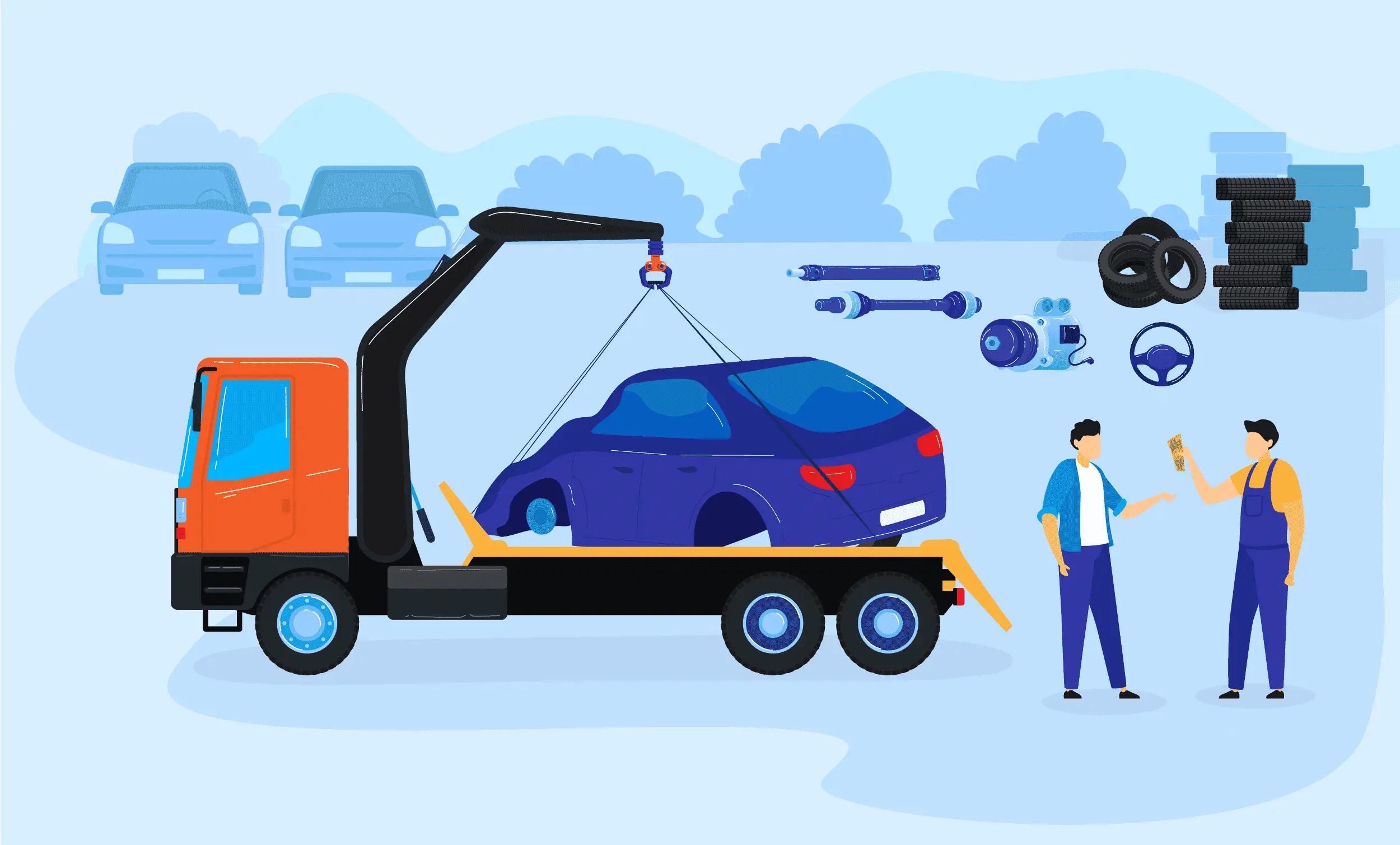
India’s automobile sector is undergoing a major transformation. One of the biggest shifts came with the introduction of the Environment Protection (End-of-Life Vehicles) Rules, 2025, which outline how old, unfit, and unsafe vehicles must be dismantled, recycled, and removed from the roads.
As we move into 2026, these rules are becoming increasingly important for vehicle owners—especially those who still use ageing cars, scooters, and commercial vehicles. This article breaks down the 2025 ELV rules in a simple, practical way and explains how they support a cleaner environment and a modern circular economy.
What Exactly Are the 2025 ELV Rules?
The ELV Rules, 2025, are India’s formal framework for dealing with vehicles that have reached the end of their usable life—vehicles that fail fitness tests, pollute excessively, or have become unsafe to operate.
Unlike earlier years, when old vehicles often ended up in unregulated scrapyards, the new system focuses on:
- Safe dismantling
- Documented recycling
- Transparent de-registration
- Recovery of valuable materials
- Environmental safety
The goal is to replace informal scrapping with a structured, accountable recycling chain.
LSI keywords to cover: end-of-life vehicles India, scrappage norms, car disposal rules 2026, vehicle recycling guidelines.
Key Changes Introduced Under the 2025 ELV Framework
The rules bring multiple improvements that impact both vehicle owners and the broader recycling ecosystem. Let’s break them down clearly.
1. Extended Producer Responsibility (EPR) for Manufacturers
Manufacturers must now take responsibility for ensuring that end-of-life vehicles are recycled properly. This means:
- Establishing collection networks
- Supporting recycling processes
- Meeting material recovery targets
This marks a huge step toward sustainable automotive production.
2. Mandatory De-registration for Unfit Vehicles
Vehicles that repeatedly fail fitness or pollution tests may be labelled “end of life.” Once this happens, de-registration becomes compulsory, preventing illegal reuse.
LSI keywords: PUC failure effects, vehicle de-registration 2026, unfit vehicle laws.
3. Safe and Scientific Dismantling
Workshops can no longer rip out parts casually. Fluids, batteries, tyres, airbags, AC gases and electronics must be removed safely and sent for proper treatment.
4. Tracking and Documentation
Every step—pickup, dismantling, recycling—must be logged digitally. This ensures transparency and prevents misuse of old vehicle numbers.
5. Encouraging Material Recovery
The rules push the recovery of:
- Steel
- Aluminium
- Copper
- Plastics
- Lithium and cobalt (from EV batteries)
- Rubber
- Glass
These materials are then reintroduced into manufacturing, supporting India’s growing circular economy.
Why These Rules Matter for Vehicle Owners in 2026
Many Indian cities—Delhi, Chennai, Mumbai, Kolkata, and Bengaluru—are becoming stricter about old vehicles. Cars older than 15 years and diesel vehicles older than 10 years are already under tight scrutiny.
Here’s how the ELV rules affect you:
1. Avoiding Penalties and Seizures
Cities may impose fines or even seize vehicles that exceed life limits or fail pollution norms.
2. Getting Better Scrap Value Through Formal Channels
Formalized scrapping ensures you get:
- Transparent weighing
- Fair pricing
- Proper documentation
Registered companies like CarBasket work with approved recyclers to ensure no fraud or tampering.
3. Access to Incentives for New Vehicles
In some cases, you may receive:
- Lower registration fees
- State-level incentives
- Potential discounts (manufacturer-led)
- Scrap value based on metal weight
LSI terms: scrap benefits India, car replacement offers, scrappage incentives.
4. Protecting Yourself Legally
When you scrap your vehicle properly, the old registration number cannot be misused. The scrapping certificate is your legal proof of disposal.
How Vehicle Recycling Supports India’s Circular Economy
A big part of the ELV Rules is about sustainability. India is moving towards a circular economy where resources are recycled and reused rather than wasted.
Materials Re-enter the Manufacturing Cycle
Recovered steel, aluminium, and copper reduce the need for fresh mining. This saves energy and lowers emissions.
Cleaner Cities and Reduced Air Pollution
Removing high-emission vehicles significantly improves air quality. Old cars and two-wheelers contribute a large percentage of urban pollution.
Boost to Recycling Jobs and Skill Development
Modern recycling centers create opportunities in:
- Logistics
- Dismantling
- Battery management
- Metal recovery
- Environmental compliance
This strengthens India’s green job sector.
Supports EV & Battery Recycling Ecosystem
The rise of electric vehicles means recycling lithium, nickel, and cobalt is now critical. ELV rules help establish a safe and scalable structure for EV battery recovery.
LSI keywords: circular economy India, automotive recycling, EV battery recycling 2026.
What Vehicle Owners Should Do Before Scrapping
If your vehicle is nearing the end of its life, here’s how to stay prepared:
1. Gather Key Documents
Such as RC, ID proof, photos of vehicle, declaration letters, etc.
2. Check Eligibility for Scrappage
Verify if your vehicle is unfit, aging, or undergoing expensive repairs.
3. Choose a Registered Scrapping Facilitator
Avoid roadside scrap buyers. Use a registered company like CarBasket.
4. Ensure Proper De-registration
Always follow the Parivahan portal guidelines.
5. Collect the Scrapping Certificate
This protects you from future liabilities.
Conclusion
The 2025 ELV Rules are transforming how India handles old vehicles. In 2026, following these rules is not just a legal requirement—it’s a responsible step toward cleaner cities and a sustainable future. Whether you own an ageing car, bike, or commercial vehicle, ensuring proper scrapping protects your finances, your safety, and the environment.
If your vehicle is nearing the end of its life, using a registered and trusted scrapping facilitator like CarBasket ensures:
- Fair scrap value
- Legal documentation
- Free pickup
- Eco-friendly processing
A responsible choice today builds a cleaner India for tomorrow.