Long before smartphones, ride-sharing apps, and electric vehicles, scooters were the backbone of Indian mobility. For millions of Indians during the 1970s, 1980s, and 1990s, owning a scooter was a dream, a status symbol, and often the family's most valuable asset after a house.
Among all scooters, the Bajaj Chetak became a legend. Alongside the Bajaj Super, Lambretta, Vijay Super, LML Vespa, and later Honda Activa, these machines transformed how India traveled.
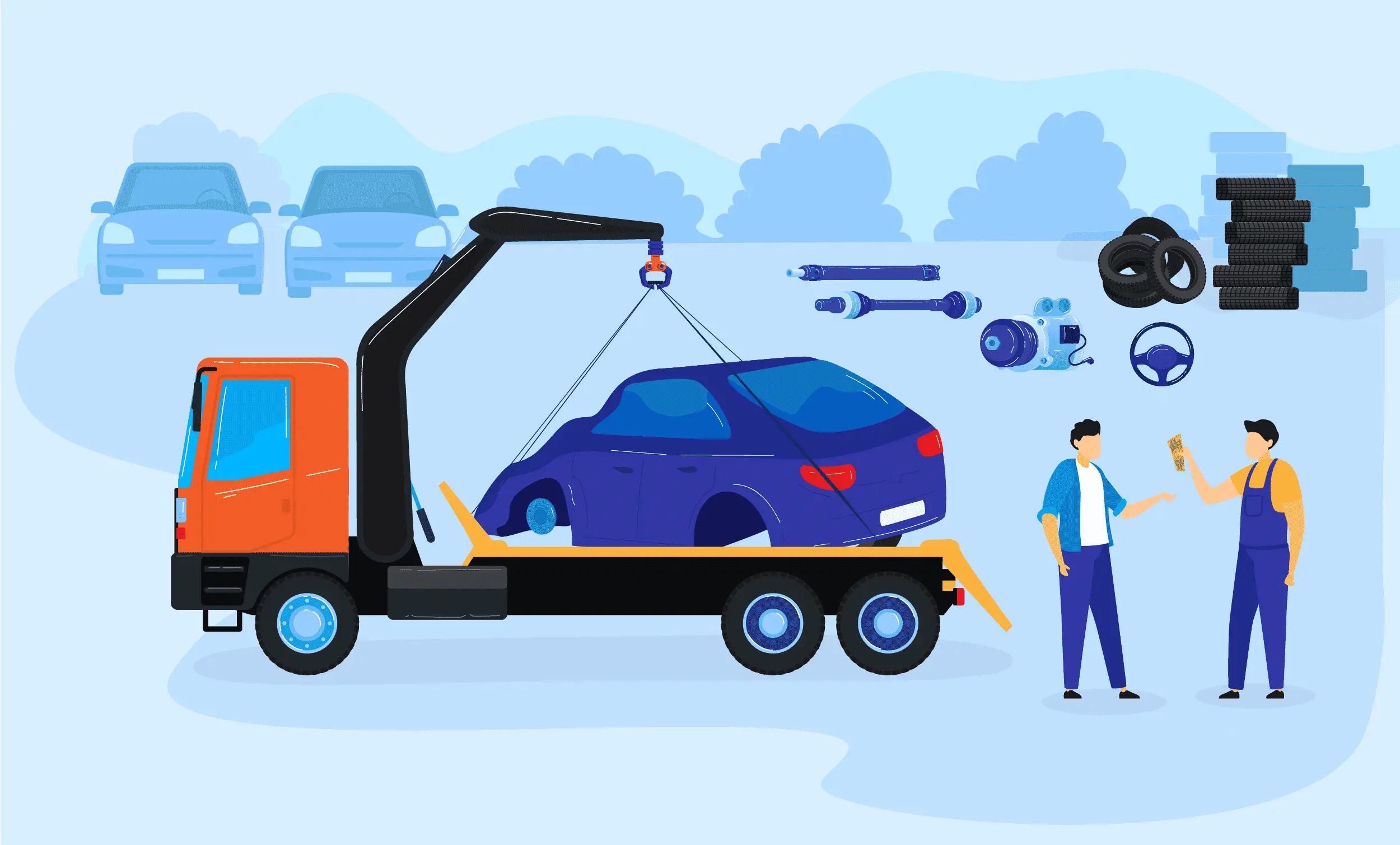
Today, many of these iconic scooters have reached the end of their road life, and companies like Carbasket help owners recycle them responsibly through authorized vehicle scrapping and ELV (End-of-Life Vehicle) recycling services across India.
History of Scooters in India
Scooters arrived in India during the 1950s and 1960s.
Early popular brands included:
- Lambretta
- Vespa
- Bajaj
- Vijay Super
- API scooters
These scooters were known for:
- Metal body construction
- Manual gear shifting
- Side-mounted spare wheels
- Strong durability
- Family-friendly seating
In many Indian households, one scooter carried:
- Father
- Mother
- Two children
- Groceries
all at the same time.
Bajaj Chetak – The Scooter That Built Middle-Class India
Launch & Legacy
Bajaj Chetak was introduced in the 1970s and became India's most famous scooter.
Named after Maharana Pratap's legendary horse "Chetak," it symbolized reliability and trust.
Why Bajaj Chetak Became Famous
- Rugged construction
- Reliable engine
- Family mobility
- Easy maintenance
- High resale value
- Pan-India service network
For many Indians, owning a Bajaj Chetak meant economic progress.
Bajaj Super
The Bajaj Super was another iconic scooter from Bajaj Auto.
Features
- Two-stroke engine
- Manual gear transmission
- Steel body
- Long seat
- Spare wheel mount
The Bajaj Super became popular among:
- Government employees
- Teachers
- Small business owners
- Factory workers
Other Legendary Scooter Brands in India
Lambretta
One of India's earliest scooter brands.
Known for:
- Italian styling
- Comfortable ride
- Large body design
Vijay Super
Manufactured under technical collaboration with Zastava.
Popular during:
Known for durability and simple maintenance.
LML Vespa
Combined Italian design with Indian practicality.
Popular among:
- Young riders
- Urban commuters
- College students
Kinetic Honda
The first automatic scooter that changed urban mobility.
Advantages:
- No gear shifting
- Easy riding
- Modern styling
Honda Activa
The scooter that revolutionized the 2000s.
Today, Honda Activa remains India's highest-selling scooter.
TVS Scooty
Popularized lightweight scooters among women riders and students.
Suzuki Access
Known for:
- Reliability
- Comfort
- Family usage
Yamaha Fascino
Focused on:
- Style
- Youth appeal
- Lightweight riding
Waiting Period & Scooter Booking Culture
Younger generations may find it hard to believe, but during the 1980s and early 1990s:
- Bajaj scooters had waiting periods of several years.
- Families booked scooters years in advance.
- Ownership was considered a major achievement.
- Some scooters were sold at premium prices in resale markets.
A Bajaj Chetak often became a family's first motor vehicle.
Early Scooter Registration & RTO System
During earlier decades:
Registration Process
- Manual paperwork
- Physical vehicle inspections
- Handwritten RC books
- Engine number verification
- Chassis number verification
Many old scooters still carry original paper RC books issued by state transport departments.
Design Evolution of Indian Scooters
Classic Era
- Metal bodies
- Manual gears
- Kick start only
- Round headlights
Modern Era
- Automatic CVT transmission
- Electric start
- Digital consoles
- LED lighting
- Fuel injection
Gen Z & the Return of Vintage Scooters
Interestingly, younger riders are rediscovering vintage scooters.
Many Gen Z enthusiasts restore:
- Bajaj Chetak
- Lambretta
- Vespa
- Bajaj Super
Reasons include:
- Retro styling
- Social media appeal
- Collector value
- Vintage riding culture
Famous Users & Cultural Impact
Scooters became symbols of Indian family life.
They appeared in:
- Bollywood films
- TV advertisements
- Family photographs
- Wedding processions
The Bajaj slogan:
"Hamara Bajaj"
became one of India's most memorable advertising campaigns.
Interesting Facts About Indian Scooters
Fact 1
Many families owned only one scooter for decades.
Fact 2
Old scooters often crossed 100,000 km with basic maintenance.
Fact 3
The spare wheel became an iconic design element.
Fact 4
Many Bajaj Chetaks are still operational today.
Fact 5
Scooters helped millions of Indians access jobs, education, and business opportunities.
Estimated Scooter Sales in India
India has become the world's largest scooter market.
Major contributors include:
- Honda Activa
- Bajaj Chetak
- TVS Jupiter
- TVS Scooty
- Suzuki Access
- Yamaha Fascino
Combined scooter sales over several decades run into tens of millions of units, making scooters one of India's most successful mobility categories.
Why Old Scooters Need Responsible Recycling
Many old scooters now face:
- Registration expiry
- Fitness issues
- Engine failures
- Rust damage
- Documentation problems
- High repair costs
Leaving vehicles abandoned creates environmental and legal risks.
Carbasket – Vehicle Scrapping & Scooter Recycling Across India
About Carbasket
Carbasket Automobile Services India Private Limited helps owners recycle:
- Scooters
- Bikes
- Cars
- Auto Rickshaws
- Commercial Vehicles
- End-of-Life Vehicles (ELVs)
through environmentally responsible recycling networks.
Services
- Vehicle scrapping
- RC cancellation support
- ELV recycling
- Pickup assistance
- Scrap valuation
- Documentation guidance
Carbasket's Ecosystem & Industry Network
Carbasket works with leading organizations and ecosystem partners across India, including:
Payment Partner
Transport Partner
Banking Partners
Recycling & Industry Associations
- Tata Re-Wire
- TVS Vehicle Recycling Network
- TIVA International
- RE Sustainability
- LDR RVSF
- Multiple Authorized RVSFs
- Major recycling and dismantling units across India
This ecosystem helps ensure compliant and sustainable vehicle recycling.
Carbasket Service Locations
Karnataka
- Bengaluru
- Mysore
- Mangalore
- Hubballi
Delhi NCR
- Delhi
- Gurugram
- Noida
- Ghaziabad
- Faridabad
Maharashtra
Tamil Nadu
Telangana
Gujarat
Madhya Pradesh
Andhra Pradesh
Bihar
Chandigarh Region
Carbasket Head Office Details
📍 Location: 12.917105593019537, 77.60502449488959
A R Plaza, 3rd Floor, Outer Ring Rd, Above Sangeetha Showroom, KEB Colony, New Gurappana Palya, 1st Stage, BTM 1st Stage, Bengaluru, Karnataka - 560029.
📞 Contact: 8903331448, 9443511500
🌐 Website: https://www.carbasket.in
FAQs
Which was India's most famous scooter?
Bajaj Chetak is widely considered India's most iconic scooter.
Why was Bajaj Chetak so popular?
It offered reliability, affordability, durability, and strong resale value.
Did Bajaj scooters have waiting periods?
Yes. During the 1980s and early 1990s, waiting periods could extend for months or even years.
Which scooters compete today?
Honda Activa, TVS Jupiter, Suzuki Access, Yamaha Fascino, Hero Xoom, and electric scooters.
Why are Gen Z riders interested in old scooters?
Vintage styling, restoration culture, collector value, and nostalgia.
Can old scooters be scrapped legally?
Yes. Authorized vehicle recycling companies like Carbasket assist with legal scrapping and recycling.
Does Carbasket provide pickup support?
Yes. Pickup and recycling assistance are available across multiple cities in India.