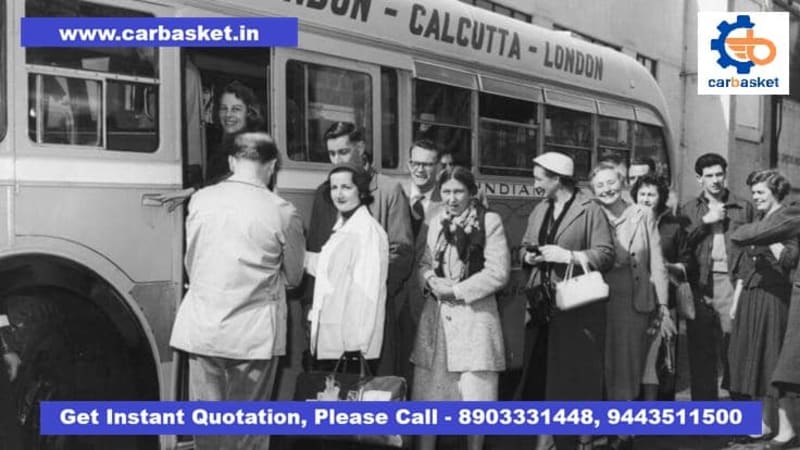
Imagine boarding a bus in London and stepping off more than three months later in Calcutta (now Kolkata). No airports, no high-speed trains, no GPS, and certainly no smartphones.
Instead, you would cross mountains, deserts, forests, rivers, dozens of cities, and nearly a dozen countries—all from the comfort of a luxury coach.
It sounds like fiction today, but between the late 1950s and the 1970s, this was a reality.
The London–Calcutta–London bus route remains one of the most extraordinary chapters in transportation history. Stretching over 20,000 kilometers and lasting approximately 110 days, it was once recognized as the world's longest scheduled bus journey.
Long before social media travel influencers documented cross-country expeditions, ordinary people embarked on this remarkable adventure simply by purchasing a bus ticket.
The Birth of the World's Longest Bus Route
In an era when international air travel was still expensive and inaccessible to many, overland travel represented adventure, affordability, and freedom.
The famous coach service was introduced in 1957 by Albert Travel, later operated by The Inder Singh Company, connecting London, United Kingdom, with Calcutta (now Kolkata), India.
The bus itself became famous.
It was affectionately known as "Albert."
Rather than simply transporting passengers from one destination to another, Albert became a moving home, carrying travelers through multiple cultures, languages, religions, climates, and landscapes.
A Journey That Lasted 110 Days
Unlike today's overnight bus services or high-speed transportation, the London-Calcutta coach wasn't about reaching the destination quickly.
It was about experiencing the world.
Passengers typically spent around 110 days completing the full journey.
The coach stopped in major cities for sightseeing, meals, rest, shopping, and local exploration.
Every stop became part of the adventure.
The journey offered travelers the opportunity to witness:
- European capitals
- Middle Eastern deserts
- Afghan mountain roads
- Pakistani plains
- Indian villages and cities
- Historic monuments
- Ancient civilizations
- Diverse cuisines
- Different cultures
It was less a bus ticket and more a four-month guided expedition.
The Route: Over 20,000 Kilometers Across Continents
The coach covered approximately 20,000 km (around 12,500 miles) during the complete trip.
Although routes changed slightly over the years due to political situations, a typical journey passed through:
Europe
- London
- Belgium
- West Germany
- Austria
- Yugoslavia
Middle East
South Asia
Finally arriving in:
Each country offered entirely different landscapes and experiences.
Passengers could wake up among European countryside, spend afternoons in Middle Eastern deserts, and end the journey surrounded by India's bustling streets.
The Ticket Price: £145 for Four Months
One of the most fascinating facts about the journey was its price.
A full ticket reportedly cost approximately £145.
Adjusted for inflation today, this represents several thousand pounds, yet considering what passengers received, it was exceptional value.
The fare included much more than transportation.
Travelers enjoyed:
- Comfortable seating
- Sleeping arrangements
- Guided stops
- Meals at various locations
- Sightseeing opportunities
- International travel assistance
Compared to modern long-distance tours, it was remarkably comprehensive.
Luxury on Wheels
Although today's luxury coaches feature Wi-Fi and USB charging, Albert offered comforts considered extraordinary during its era.
Passengers enjoyed amenities such as:
- Reclining seats
- Reading lamps
- Heating
- Fans
- Curtains
- Personal luggage storage
- Refreshments
- Radio entertainment
For many passengers, the coach became home for months.
Friendships formed, cultures blended, and unforgettable memories were created along every mile.
Life Onboard the Famous Coach
Life onboard was unlike any modern commute.
Passengers shared stories, exchanged books, played cards, listened to music, and gazed endlessly through the windows.
Unlike today's fast-paced travel schedules, there was no rush.
Travel itself was the destination.
Many passengers described the experience as life-changing because they weren't merely crossing countries—they were crossing cultures.
Why Was It So Popular?
Several reasons made the London-Calcutta coach incredibly attractive.
Adventure
People could experience countries they had only read about.
Affordability
Flying internationally remained expensive.
Cultural Exchange
Passengers met people from across Europe and Asia.
Slow Travel
The journey encouraged genuine exploration instead of hurried tourism.
The Challenges Along the Route
The route wasn't without difficulties.
Travelers encountered:
- Border inspections
- Visa requirements
- Weather extremes
- Mountain roads
- Desert crossings
- Political uncertainties
- Mechanical repairs
Despite these obstacles, many passengers considered them part of the adventure.
Why the Route Eventually Ended
The legendary service eventually disappeared during the late 1970s.
Several factors contributed to its closure.
Political Instability
Conflicts and changing international relations made border crossings increasingly difficult.
Improved Air Travel
Commercial aviation became faster and more affordable.
Visa Restrictions
International road travel grew more complicated.
Rising Operating Costs
Fuel prices, maintenance expenses, insurance, and logistics increased substantially.
The world was changing.
The age of slow international road travel gradually gave way to modern aviation.
A Symbol of a Different Era
The London-Calcutta bus route represents something larger than transportation.
It reminds us of a period when journeys mattered as much as destinations.
Passengers willingly invested four months to experience cultures firsthand.
Today, technology allows us to travel faster than ever.
Yet many travelers still long for meaningful journeys rather than simply quick arrivals.
What Happened to "Albert"?
Although the original coach no longer operates the historic route, its story continues to inspire travel enthusiasts worldwide.
Photographs, newspaper archives, travel magazines, and documentaries preserve its remarkable legacy.
For transportation historians, Albert remains one of the greatest examples of international road travel ever attempted.
From Historic Coaches to Responsible Vehicle Recycling
Every vehicle eventually reaches the end of its operational life—even legendary buses.
Historic coaches like Albert remind us that vehicles are more than machines; they become part of history. But when buses, coaches, trucks, and commercial vehicles become unsafe, uneconomical, or environmentally harmful to operate, responsible end-of-life management becomes essential.
This is where Carbasket supports vehicle owners across India.
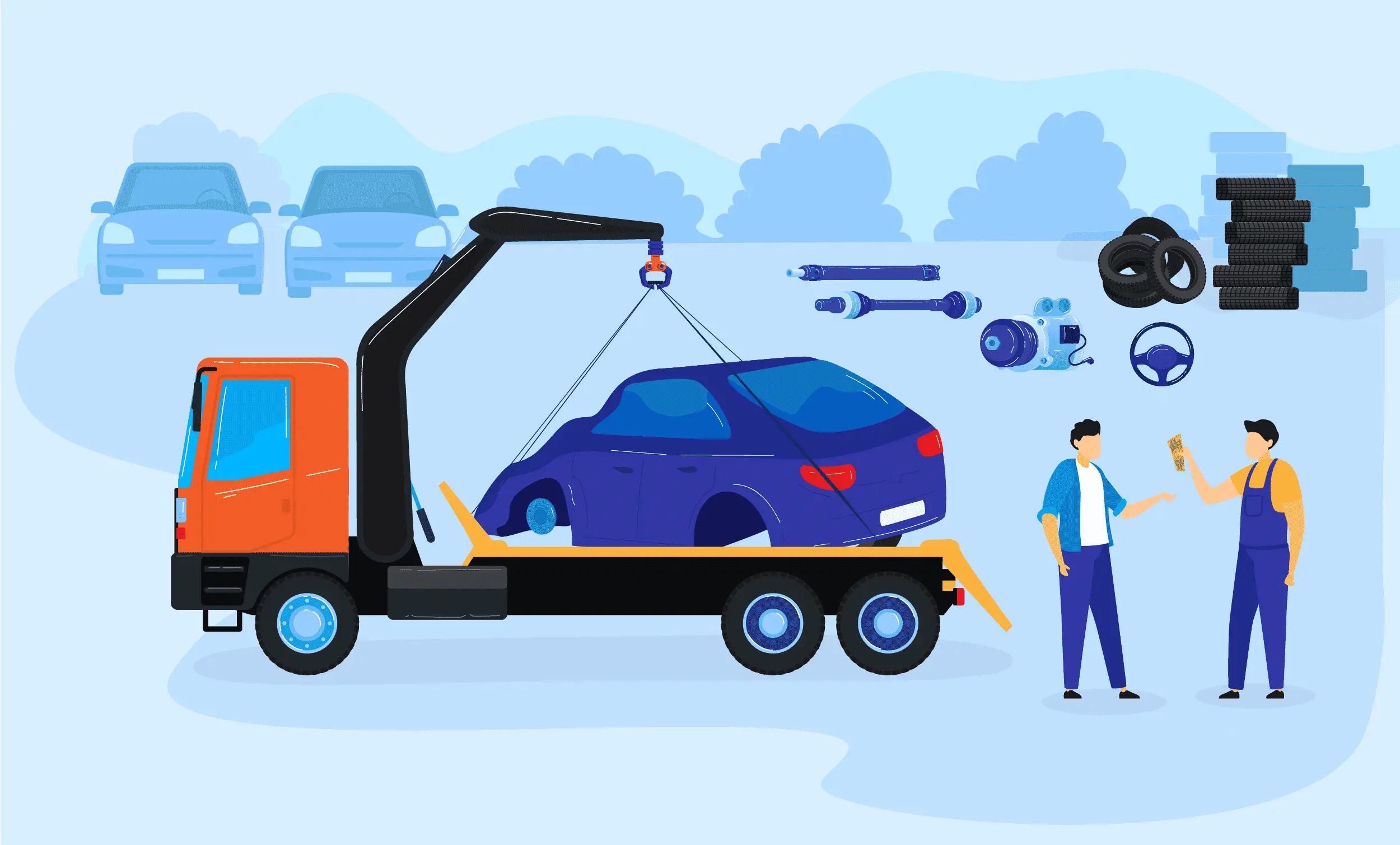
Instead of abandoning old commercial vehicles or selling them into the unorganized scrap market, owners can choose legal and environmentally responsible vehicle recycling through Carbasket's network.
Bus Scrapping Services by Carbasket
Carbasket provides assistance for scrapping various commercial and passenger vehicles, including:
- School buses
- Staff buses
- Tourist coaches
- Government buses
- Mini buses
- Luxury coaches
- Shuttle buses
- Corporate transport buses
- Dormant fleet vehicles
- End-of-life buses
Our process focuses on:
- Free vehicle pickup (serviceable locations)
- Fair vehicle valuation
- Secure documentation
- Environmentally responsible dismantling through partner facilities
- Vehicle scrapping documentation
- Support throughout the scrapping process
Whether you own one bus or an entire commercial fleet, Carbasket helps simplify the vehicle disposal process.
Why Responsible Bus Recycling Matters
Large commercial vehicles contain significant amounts of recyclable materials, including:
- Steel
- Aluminum
- Copper
- Rubber
- Glass
- Plastic
- Electrical components
Proper recycling helps:
- Reduce landfill waste
- Recover valuable raw materials
- Lower energy consumption
- Reduce mining demand
- Support India's circular economy
- Minimize environmental pollution
Every responsibly recycled bus contributes toward a cleaner transportation ecosystem.
Carbasket Branches & Service Locations
Karnataka
- Bengaluru
- Mysore
- Mangalore
- Hubballi
- Belgaum
- Bellary
- Dharwad
- Davangere
- Raichur
- Bidar
Tamil Nadu
- Chennai
- Coimbatore
- Salem
- Madurai
- Tutucorin
- Krishnagiri
- Hosur
- Vellore
- Puducherry
Telangana
- Hyderabad
- Secundrebad
- Warangal
- Nizambad
- Karimnagar
Maharashtra
- Mumbai
- Navi Mumbai
- Pune
- Kolhapur
- Solapur
- Nanded
- Nagpur
Delhi NCR
- Gurugram
- Noida
- Ghaziabad
- Faridabad
Gujarat
- Ahmedabad
- Rajkot
- Surat
- Vadodra
Andhra Pradesh
- Visakhapatnam
- Anantapur
- Guntur
- Chittoor
- Vijayawada
Bihar
Chandigarh Region
Carbasket Contact Details
Customer Support
📞 +91 8903331448 / 9443511500
Website
https://carbasket.in/
The Future of Sustainable Transportation
As transportation evolves toward electric buses, hydrogen mobility, and cleaner public transport, responsible recycling of aging fleets becomes increasingly important.
Preserving transportation history while recycling outdated vehicles responsibly ensures that future generations inherit both cleaner roads and inspiring stories.
The London-Calcutta bus may have disappeared decades ago, but its legacy reminds us that every vehicle has a journey—and every journey eventually reaches its final destination.
Conclusion
The London to Calcutta coach route was far more than the world's longest bus ride.
It represented curiosity, patience, exploration, and human connection.
For 110 unforgettable days, passengers crossed continents, experienced cultures, and proved that travel wasn't about speed—it was about discovery.
While modern transportation has dramatically shortened travel times, the story of Albert continues to inspire those who believe the journey itself can be life's greatest adventure.
And just as every remarkable vehicle eventually completes its final trip, responsible recycling ensures that its legacy continues in a sustainable way.
Frequently Asked Questions (FAQs)
1. How long did the London to Calcutta bus journey take?
The complete journey took approximately 110 days, making it one of the longest scheduled bus routes ever operated.
2. How far was the London-Calcutta bus route?
The route covered approximately 20,000 kilometers (12,500 miles) across Europe and Asia.
3. How much did the ticket cost?
A one-way ticket reportedly cost around £145, which included transportation and various travel services.
4. Why was the route discontinued?
The service ended due to political instability, changing border regulations, rising operating costs, and the growing popularity of international air travel.
5. What countries did the bus travel through?
The route generally crossed the United Kingdom, Belgium, Germany, Austria, Yugoslavia, Bulgaria, Turkey, Iran, Afghanistan, Pakistan, and India.
6. Was the bus luxurious?
For its time, yes. It offered reclining seats, sleeping arrangements, heating, fans, reading lights, luggage storage, and sightseeing stops.
7. Does Carbasket scrap buses and commercial vehicles?
Yes. Carbasket assists with the scrapping of buses, coaches, commercial vehicles, and end-of-life fleet vehicles through its partner network, following environmentally responsible recycling practices.
8. Why should old buses be recycled responsibly?
Responsible recycling helps recover valuable materials, reduces environmental pollution, conserves natural resources, and supports sustainable transportation.
9. What documents are generally required for bus scrapping?
Typically, the vehicle owner should provide the Registration Certificate (RC), valid identity proof, and any additional documents required under applicable regulations. Requirements may vary depending on the vehicle and location.
10. Does Carbasket provide vehicle pickup?
Carbasket offers free vehicle pickup in serviceable locations, along with assistance throughout the vehicle scrapping process.