Introduction
Buying a used car from another state can sometimes offer better pricing, rare models, or well-maintained vehicles. However, many buyers focus only on the price advantage and overlook the legal and administrative steps required for interstate vehicle ownership transfer.
Ignoring these requirements can lead to serious consequences such as RTO penalties, vehicle blacklisting, insurance rejection, unpaid tax liabilities, or even vehicle seizure.
Before finalizing a deal on an other-state used car in India, it’s essential to understand the legal procedures mandated by the Ministry of Road Transport and Highways through the Parivahan portal and Regional Transport Offices (RTOs).
Why Buying an Other-State Car Needs Extra Attention
Unlike purchasing a vehicle registered in your own state, an interstate purchase involves additional regulatory compliance.
These include:
- Interstate ownership transfer
- Road tax adjustments
- RTO re-registration
- Hypothecation removal
- Legal verification of vehicle records
Failure to complete these steps can create long-term legal complications for the new owner.
Essential Legal Steps Before Buying an Other-State Used Car
1. Apply for Ownership Transfer via Parivahan Portal
Ownership transfer must be initiated through the official Parivahan portal, managed by the Government of India.
This process ensures that the vehicle’s registration certificate (RC) is legally transferred to the buyer.
Without completing this step, the vehicle remains legally owned by the previous owner.
2. Submit Form 29 and Form 30
Two mandatory documents are required for vehicle ownership transfer:
Form 29 – Notice of vehicle ownership transfer
Form 30 – Application for transfer of ownership
These forms confirm that both the seller and buyer agree to the transaction and notify the RTO of the ownership change.
3. Obtain NOC from the Original RTO
If a vehicle is being moved from one state to another, the seller must obtain a No Objection Certificate (NOC) from the original registering RTO.
The NOC confirms that:
- The vehicle has no legal disputes
- No pending taxes exist
- The vehicle can legally be transferred to another state
Without this document, re-registration in the new state may be rejected.
4. Check Pending Challans and Blacklist Status
Before purchasing any used car from another state, verify:
- Pending traffic challans
- Blacklist status in RTO records
- Court cases or legal disputes
These checks can be done through the Parivahan portal.
Buying a vehicle with pending violations means the new owner may inherit the legal liability.
5. Pay Applicable Road Tax Difference
Each Indian state has its own road tax structure.
When a vehicle moves permanently to another state, the buyer may need to pay the road tax difference to the new state’s RTO.
In some cases, the previous owner may claim a refund of road tax from the original state, but this process can take time.
6. Ensure Hypothecation is Removed
If the vehicle was purchased through a loan, the RC may show hypothecation with a bank or finance company.
Before completing the purchase:
- Confirm that the loan is closed
- Ensure hypothecation removal is recorded in the RC
Otherwise, the new owner may face complications during transfer or resale.
7. Re-Register the Vehicle if It Stays More Than 12 Months
According to Indian motor vehicle rules, if a vehicle remains in another state for more than 12 months, it must be re-registered in the new state.
This process includes:
- Vehicle inspection
- New registration number
- Updated RC
Failure to re-register can lead to penalties during traffic enforcement checks.
Risks of Ignoring Interstate Vehicle Transfer Rules
Skipping legal steps can result in serious consequences such as:
- RTO penalties and fines
- Vehicle blacklisting
- Insurance claim rejection
- Legal disputes with previous owner
- Vehicle seizure by authorities
A cheap deal today should never become a legal burden tomorrow.
When Vehicle Scrapping Becomes the Better Option
In some cases, buyers discover that the vehicle they purchased has:
- Expired registration
- Excessive tax liabilities
- Severe compliance issues
- High repair costs
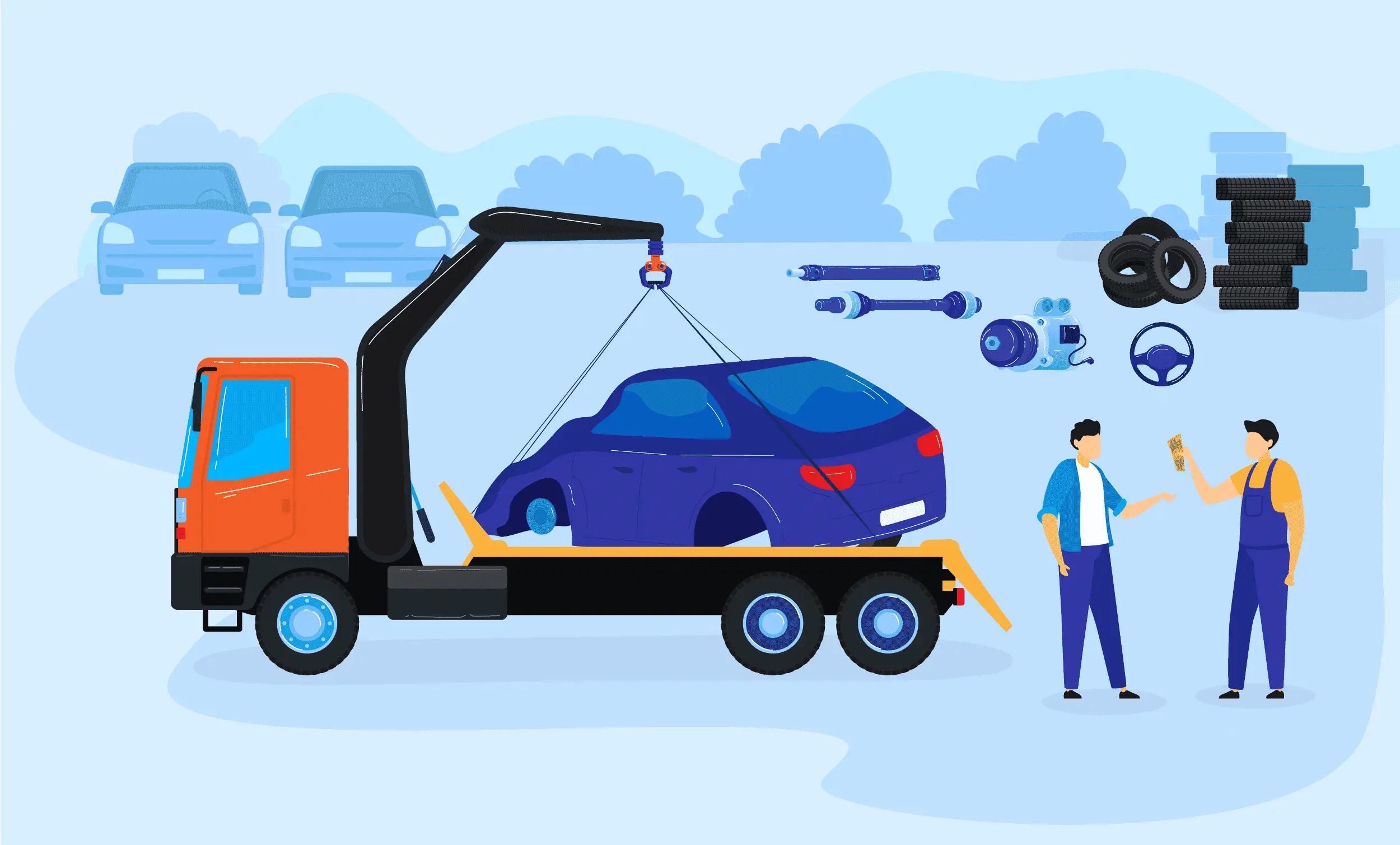
Instead of continuing with expensive legal or mechanical problems, vehicle owners may choose authorized vehicle scrapping.
Professional scrapping platforms like Carbasket Vehicle Scrapping Platform help vehicle owners:
- Scrap legally non-compliant vehicles
- Receive instant quotation
- Obtain Certificate of Disposal (COD)
- Avoid future legal complications
Scientific scrapping ensures that the vehicle is dismantled responsibly and removed from government records.
Conclusion
Buying an other-state used car in India can be a smart financial decision — but only if all legal requirements are properly completed.
Always verify:
- Ownership transfer
- RTO NOC
- Road tax compliance
- Challans and blacklist status
- Hypothecation removal
Completing these steps protects you from future legal and financial risks.
When dealing with older or legally complicated vehicles, responsible scrapping through authorized platforms like Carbasket can be the safest solution.
FAQs
Is it legal to buy a car from another state in India?
Yes, but the vehicle must undergo ownership transfer, NOC clearance, and possible re-registration in the new state.
What happens if I don’t re-register the vehicle after moving states?
If a vehicle stays in another state for more than 12 months without re-registration, RTO authorities may impose penalties.
Can I drive an other-state car without NOC?
No. NOC from the original RTO is mandatory for interstate transfer.
How do I check challans before buying a used car?
You can verify pending challans through the Parivahan portal using the vehicle registration number.
When should I scrap a vehicle instead of transferring it?
If the vehicle has expired registration, high compliance costs, or major legal complications, scrapping may be the better option.