Delhi has taken another major step towards cleaner transportation. Under the newly approved Delhi Electric Vehicle (EV) Policy, registration of new petrol and CNG two-wheelers will stop from 1 April 2028. The policy is designed to reduce vehicular emissions, improve air quality, and accelerate electric vehicle adoption across the National Capital Territory.
However, this announcement has also created confusion among vehicle owners.
Many people are asking:
- Will petrol bikes be banned?
- Can I still drive my existing petrol scooter?
- Will petrol cars also be banned?
- Should I scrap my old vehicle?
- What happens after 2028?
This guide answers every important question.
What Has Delhi Government Announced?
The Delhi Government has approved a new EV Policy that aims to increase electric mobility and reduce pollution.
Some important provisions include:
- From 1 January 2027, only electric auto-rickshaws will be eligible for new registration.
- From 1 April 2028, registration of new petrol and CNG two-wheelers will stop.
- The government plans to expand EV charging infrastructure across Delhi.
- The policy targets a significant increase in electric vehicle adoption by 2030.
Does This Mean Existing Petrol Vehicles Will Be Banned?
No.
This is one of the biggest misconceptions.
The current policy affects new registrations, not existing vehicles.
If you already own a petrol scooter or motorcycle, you can continue using it as long as it complies with existing vehicle age and fitness regulations. The policy does not prohibit the use of already-registered petrol two-wheelers.
Is This Rule Applicable to Cars?
As of now, the announced provision specifically targets new petrol and CNG two-wheelers from April 2028.
Petrol cars are not included in this specific registration ban under the current policy, although Delhi continues to enforce existing rules regarding older vehicles, including restrictions affecting 15-year-old petrol vehicles and 10-year-old diesel vehicles.
Why Is Delhi Introducing This Ban?
Delhi remains one of the world's most polluted cities.
According to government estimates:
- Vehicle emissions contribute around 23% of Delhi's air pollution.
- Two-wheelers account for a significant share of vehicles on Delhi's roads.
- Reducing fossil fuel vehicles is expected to improve air quality and public health.
The EV policy aims to:
- Reduce carbon emissions
- Improve air quality
- Lower fuel dependency
- Encourage cleaner transportation
- Support India's climate goals
Why Vehicle Scrapping Will Become More Important
As Delhi moves towards electric mobility, many vehicle owners may eventually decide to replace older petrol vehicles.
Rather than abandoning an old vehicle or selling it informally, legal vehicle scrapping offers several benefits:
- Safe disposal
- Environmental protection
- Recycling of steel, aluminium, plastic, copper and rubber
- Proper documentation
- Prevention of illegal reuse of vehicle parts
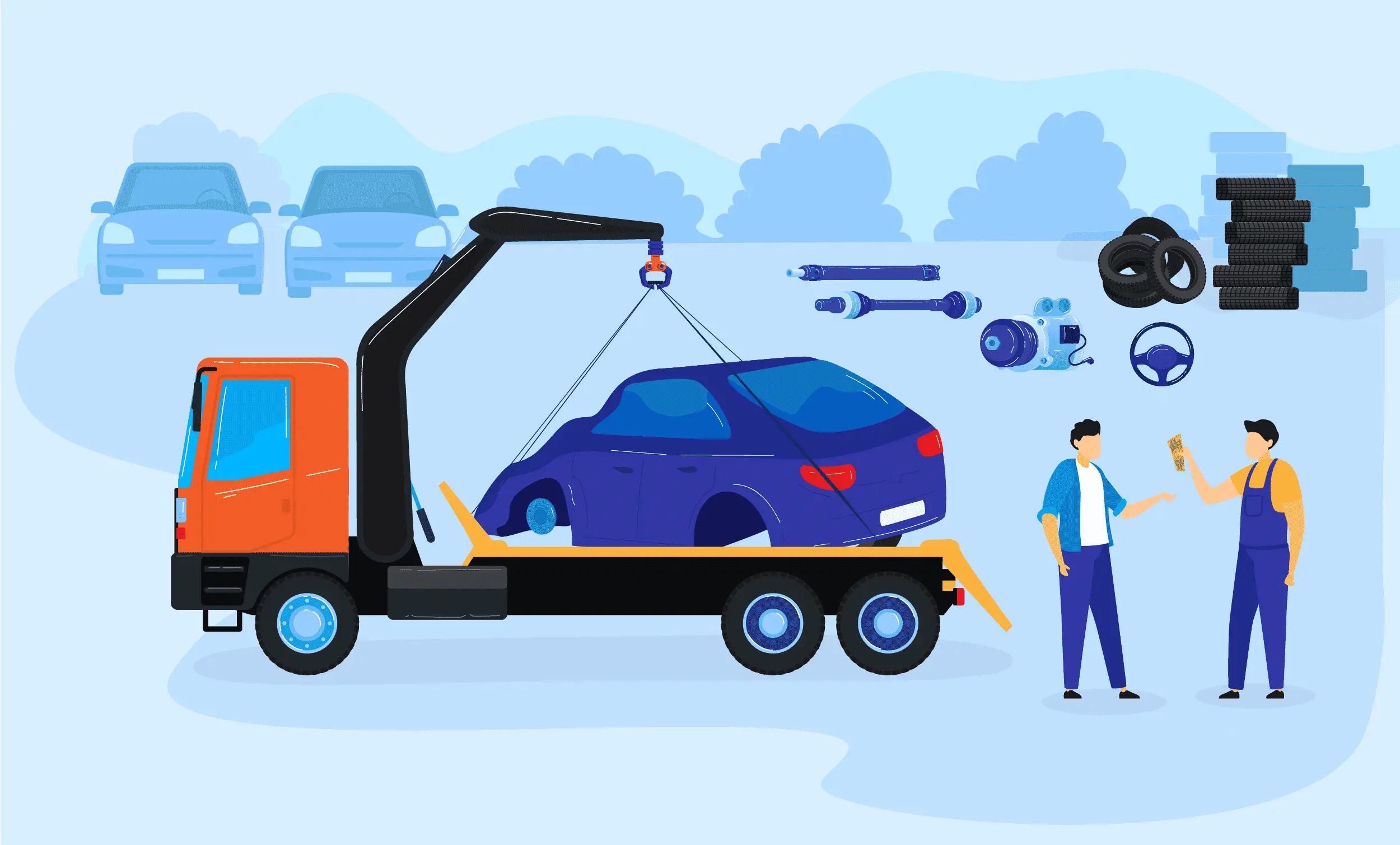
Carbasket Vehicle Scrapping Facility
If your vehicle has reached the end of its useful life or you plan to upgrade to a newer or electric model, Carbasket offers a simple and legal vehicle scrapping process.
Carbasket Services
✔ Free Vehicle Pickup
✔ Instant Scrap Valuation
✔ Spot Payment
✔ Certificate of Vehicle Deposit
✔ Vehicle Scrapping Certificate
✔ Vehicle Dismantling Video
✔ PAN India Vehicle Scrapping Support
✔ Environmentally Responsible Recycling
Whether you own:
- Car
- Bike
- Scooter
- Commercial Vehicle
- Taxi
- Fleet Vehicle
- Government Vehicle
- Company Vehicle
Carbasket assists with the legal scrapping process through its partner network.
Benefits of Scrapping an Old Petrol Vehicle
1. Better for the Environment
Old vehicles emit significantly more pollutants.
Proper recycling reduces waste and pollution.
2. Recover Scrap Value
Instead of leaving an unused vehicle parked, owners receive value from recyclable materials.
3. Free Space
Unused vehicles occupy valuable parking space.
4. Safe Recycling
Hazardous materials such as:
- Engine oil
- Coolant
- Battery acid
- Fuel residues
are disposed of responsibly.
5. Legal Documentation
Carbasket provides essential documentation related to the scrapping process, helping owners maintain proper records.
What Happens to a Vehicle After Scrapping?
A modern scrapping process generally includes:
- Vehicle Inspection
- Document Verification
- Removal of Fluids
- Battery Removal
- Tyre Removal
- Engine Dismantling
- Metal Separation
- Plastic Recycling
- Glass Recycling
- Steel Recovery
Nearly 85–90% of a vehicle's materials can be recovered and recycled, reducing the need for new raw materials and supporting a circular economy.
Should You Upgrade to an Electric Vehicle?
Electric vehicles offer benefits such as:
- Lower running costs
- Reduced maintenance
- Zero tailpipe emissions
- Government incentives (where applicable)
- Quieter driving experience
The right choice depends on your budget, driving needs, and charging availability.
Common Misconceptions
Myth:
All petrol vehicles will be banned in 2028.
Fact:
The current policy concerns new registrations of petrol and CNG two-wheelers, not an outright ban on existing vehicles.
Myth:
Existing petrol bikes must be scrapped immediately.
Fact:
No. Existing vehicles can continue to operate subject to applicable regulations.
Myth:
Only electric vehicles will be allowed overnight.
Fact:
The transition is phased over several years.
Environmental Impact
Vehicle recycling helps:
- Reduce landfill waste
- Save energy
- Lower greenhouse gas emissions
- Recover valuable metals
- Reduce mining activities
- Promote sustainable manufacturing
Conclusion
Delhi's decision to stop new petrol and CNG two-wheeler registrations from April 2028 marks a major milestone in the city's transition toward cleaner transportation. It is important to note that this policy affects new registrations and does not automatically prohibit existing petrol vehicles.
For owners of ageing vehicles, legal scrapping is an environmentally responsible option when the time comes to retire a vehicle. Carbasket supports vehicle owners with transparent valuation, free pickup, and documentation to make the scrapping process simple and compliant.
Frequently Asked Questions (FAQs)
Will petrol bikes be banned in Delhi after April 2028?
No. The policy currently stops new registrations of petrol and CNG two-wheelers from April 1, 2028. Existing registered vehicles are not automatically banned.
Can I still drive my existing petrol scooter after 2028?
Yes, provided it complies with applicable vehicle-age and regulatory requirements.
Are petrol cars included in this registration ban?
No. The announced registration restriction specifically applies to new petrol and CNG two-wheelers.
Why is Delhi promoting electric vehicles?
To reduce air pollution, lower emissions, and encourage sustainable transportation.
What is legal vehicle scrapping?
It is the environmentally responsible dismantling and recycling of an end-of-life vehicle through authorized processes.
Does Carbasket provide vehicle pickup?
Yes. Carbasket offers free pickup for eligible vehicles.
What documents are generally required?
Typically:
- Registration Certificate (RC)
- Vehicle owner's ID proof
- Any other documents required under applicable regulations
Can commercial vehicles also be scrapped?
Yes. Commercial, fleet, company, government, taxi, and private vehicles can be processed through Carbasket's services.
What materials are recycled from a vehicle?
Steel, aluminium, copper, plastic, rubber, glass, batteries, and other recyclable components.
Why should I choose legal scrapping instead of selling to an informal scrap dealer?
Legal scrapping promotes environmental protection, responsible recycling, proper documentation, and helps prevent misuse of vehicle parts.