EV Scrappage Rules, Battery Safety & Carbasket’s Reva EV Case Study
Introduction: Can Electric Vehicles Be Scrapped in India?
Yes—electric vehicles (EVs) can be legally scrapped in India.
However, scrapping an electric vehicle is fundamentally different from scrapping a petrol or diesel vehicle.
Unlike internal combustion engine (ICE) vehicles, EVs contain:
- Lithium-ion battery packs
- High-voltage wiring systems
- Electric motors and power electronics
If these components are not handled by trained professionals, they can:
- Catch fire or explode
- Leak hazardous chemicals
- Contaminate soil and groundwater
- Pose serious safety risks to workers and the public
That’s why EV scrappage requires specialised handling, safety protocols, and authorised recycling pathways.
Why EV Scrappage Is Not the Same as Petrol or Diesel Vehicle Scrappage
Key Differences at a Glance
Aspect Petrol/Diesel Vehicle Electric Vehicle
Main power unit Engine Electric motor
Fuel system Petrol/Diesel Lithium-ion battery
Voltage risk Low Very high (300–800V)
Fire risk Moderate High if mishandled
Recycling complexity Medium High
Battery disposal NA Critical & regulated
An EV is not just a car with a different engine—it is a high-voltage energy system on wheels.
The Biggest Risk: Lithium-Ion Batteries
Why EV Batteries Need Special Handling
Lithium-ion batteries:
- Are chemically volatile
- Can short-circuit if damaged
- Can reignite hours or days later
- Require temperature-controlled storage
- Must be discharged before dismantling
Improper EV battery disposal can lead to:
- Fires at scrapyards
- Toxic gas release
- Long-term environmental damage
That’s why informal scrap dealers are NOT equipped to handle EVs safely.
EV Scrappage Rules & Legal Framework in India
EV scrappage in India is governed by a combination of policies, not a single EV-only law.
Applicable Regulations
- Motor Vehicles Act, 1988
- MoRTH Vehicle Scrappage Policy
- Battery Waste Management Rules, 2022
- E-waste & Hazardous Waste Rules
- Central Motor Vehicles Rules (CMVR)
What the Law Implies
- EVs must be scrapped only through authorised channels
- Lithium-ion batteries must go to approved battery recyclers
- RC de-registration remains mandatory
- Improper disposal can attract environmental penalties
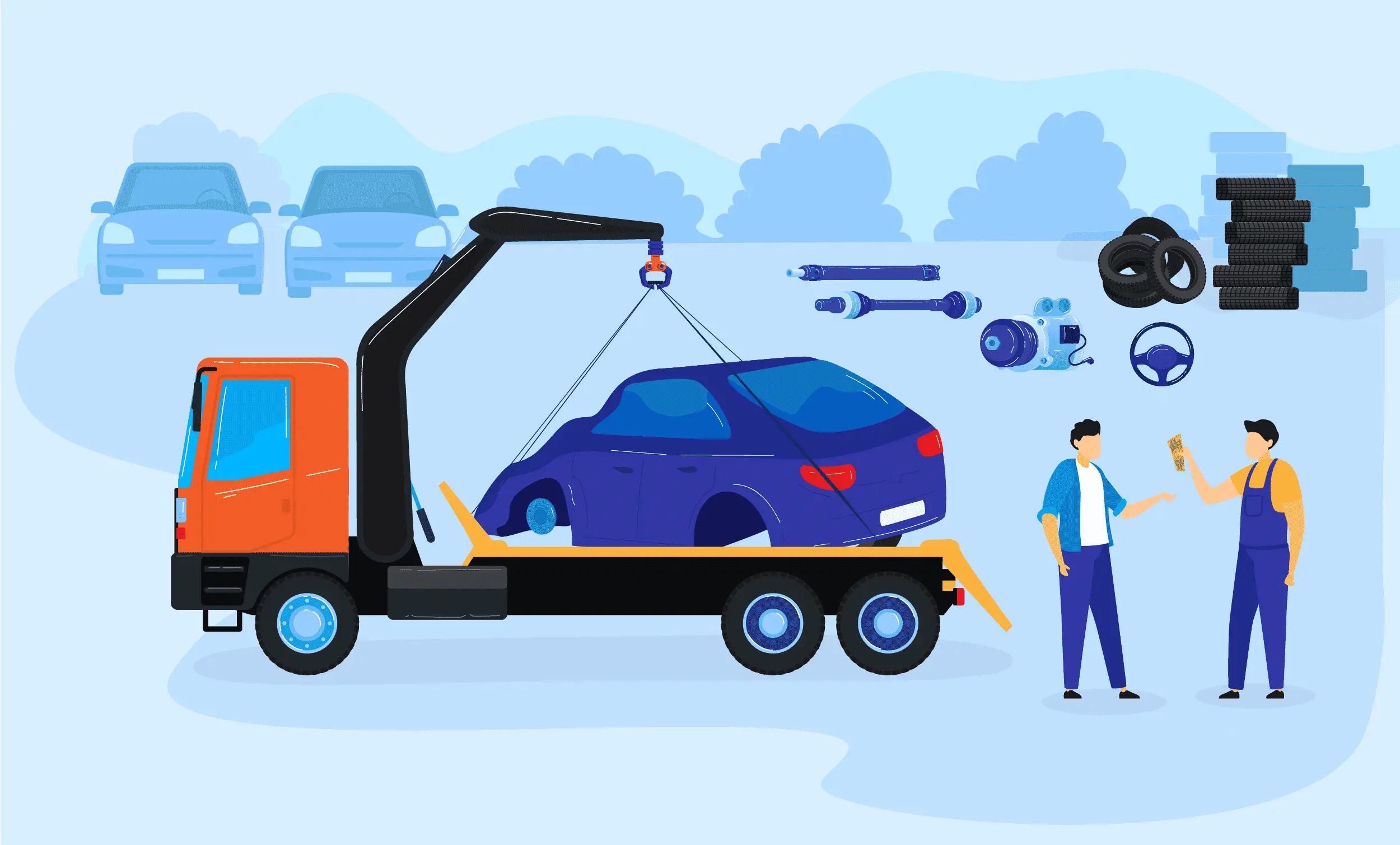
What Happens When an EV Is Scrapped?
Step-by-Step EV Scrappage Process
- Vehicle evaluation & eligibility check
- High-voltage system isolation
- Battery discharge & safe removal
- Battery sent to authorised recycler
- Motor & electronics dismantling
- Metal recovery from body & chassis
- RC cancellation / closure support
Each step requires trained manpower and compliance documentation.
About Reva Electric Car: India’s First Mass EV
What Is Reva?
The Reva electric car holds a special place in Indian EV history.
Key Facts About Reva EV
- Manufacturer: Reva Electric Car Company
- Founded by: Chetan Maini
- Year of Launch: 2001
- Production Location: Bengaluru, Karnataka
- India’s first mass-produced electric car
Acquisition & Evolution
- Reva was later acquired by Mahindra & Mahindra
- The platform evolved into Mahindra e2o
- Reva played a key role in shaping India’s EV ecosystem
Reva EV Specifications (Typical)
- Lead-acid / early lithium battery variants
- Limited range (60–80 km)
- Compact city-focused design
- Zero tailpipe emissions
EV Norms at the Time
- Launched before modern BS norms
- Operated under early EV exemptions
- No tailpipe emission requirements
Carbasket’s Reva EV Scrappage Case Study
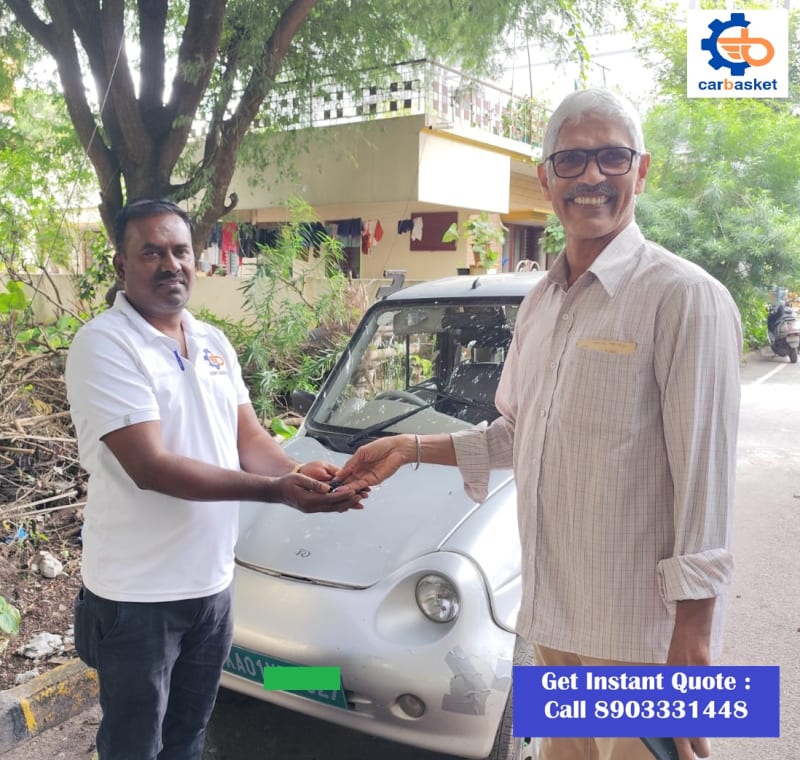
Carbasket recently handled the scrappage of a Reva electric car, showcasing how EV scrappage must be done professionally and responsibly.
Why This Case Was Unique
- Aging EV with obsolete battery technology
- High-voltage components requiring isolation
- No resale market value
- Battery disposal was the biggest challenge
How Carbasket Did It Right
- Conducted safe battery handling & removal
- Routed battery to authorised recycling channel
- Ensured environment-safe dismantling
- Completed documentation support
Better Value Than Other Platforms
Carbasket offered a higher scrap price compared to other companies, based on:
- Actual recoverable metal value
- EV-specific component assessment
- Transparent valuation (not resale assumptions)
This is where Carbasket differs from platforms focused on resale or auction pricing.
Why EV Owners Should Avoid Informal Scrapping
Risks of Unauthorised EV Scrapping
- Fire hazards
- Environmental violations
- RC not properly cancelled
- Battery illegally resold or dumped
- Owner liability in case of mishaps
EV scrappage is not a cost-cutting exercise - t’s a compliance and safety responsibility.
Role of Carbasket in EV Scrappage
Carbasket is equipped to handle both ICE and Electric Vehicle scrappage, with special focus on EV safety.
What Carbasket Offers for EV Owners
- EV eligibility assessment
- Battery-safe handling protocols
- Authorised recycling routing
- Transparent scrap valuation
- RC de-registration guidance
- Doorstep pickup coordination
Carbasket doesn’t just scrap EVs - we neutralise their environmental and legal risk.
Environmental Importance of Proper EV Scrappage
Responsible EV scrappage:
- Prevents lithium pollution
- Recovers valuable metals (copper, aluminium)
- Supports circular economy
- Reduces mining pressure
- Makes EV adoption truly sustainable
FAQs - Electric Vehicle Scrapping in India
1. Can electric vehicles be scrapped in India?
Yes. EVs can be legally scrapped through authorised scrappage and recycling channels.
2. Is EV scrappage different from petrol/diesel scrappage?
Yes. EVs involve high-voltage systems and lithium-ion batteries requiring specialised handling.
3. What happens to EV batteries after scrappage?
They are sent to authorised battery recyclers as per Battery Waste Management Rules.
4. Can local scrap dealers scrap electric cars?
No. Most informal scrap dealers are not equipped or authorised to handle EV batteries safely.
5. Is RC cancellation required for EV scrappage?
Yes. RC de-registration is mandatory, just like ICE vehicles.
6. Does Carbasket scrap electric vehicles?
Yes. Carbasket handles EV scrappage, including safe battery removal and compliant recycling.
7. Can I get good value for scrapping an EV?
Yes. Value depends on recoverable metals and components, not resale demand. Carbasket offers transparent pricing.
Final Thoughts: EV Scrappage Is as Important as EV Adoption
Electric vehicles are the future—but end-of-life management is equally critical.
Improper EV scrappage can undo the environmental benefits of electric mobility. That’s why EVs must be scrapped responsibly, safely, and legally.
If your electric vehicle has reached the end of its life:
Scrap it the right way with Carbasket.
Safe. Legal. Sustainable.