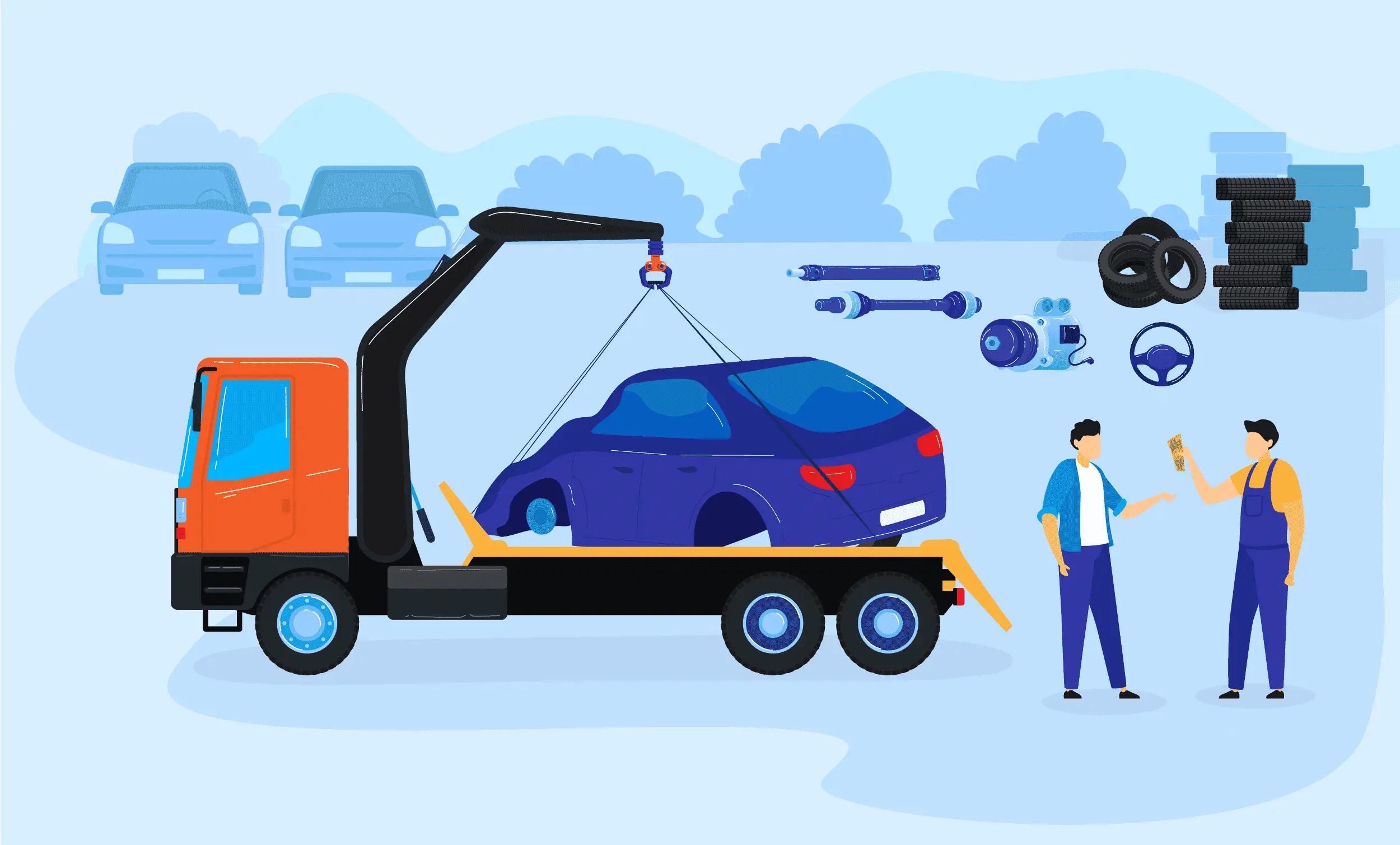
As India's automotive industry continues to evolve, the vehicle scrapping ecosystem is undergoing a major transformation. Rising environmental awareness, government initiatives, digital processes, and the transition towards a circular economy are reshaping how End-of-Life Vehicles (ELVs) are managed.
Vehicle scrapping is no longer simply about disposing of old vehicles—it is about recovering valuable resources, reducing pollution, promoting sustainability, and ensuring legal compliance.
At CarBasket, we are committed to helping vehicle owners across India dispose of their old, accidental, damaged, and end-of-life vehicles responsibly by connecting them with the appropriate vehicle scrapping and recycling ecosystem.
In this article, we explore the key trends that are driving India's vehicle scrapping industry.
Why Vehicle Scrapping Matters More Than Ever
India has millions of ageing vehicles on its roads. Many older vehicles contribute significantly to:
- Air pollution
- Poor fuel efficiency
- Road safety concerns
- Increased maintenance costs
- Improper disposal of hazardous materials
Responsible vehicle recycling helps recover reusable materials while preventing environmental contamination.
With increasing awareness and supportive government policies, the industry is witnessing rapid modernization.
Top Emerging Trends in Vehicle Scrapping
1. Growing Adoption of the Vehicle Scrappage Policy
India's Vehicle Scrappage Policy continues to encourage the scientific disposal of end-of-life vehicles.
Vehicle owners are becoming increasingly aware of:
- Proper scrapping procedures
- Vehicle deregistration requirements
- Environmental responsibilities
- Benefits of replacing older vehicles
As awareness grows, more owners are choosing organized recycling channels over informal scrap markets.
2. Digital Vehicle Scrapping Process
Technology is making vehicle scrapping faster and more transparent.
Digital innovations now include:
- Online quotation requests
- Digital document verification
- Pickup scheduling
- Vehicle tracking
- Electronic records
- Online customer support
Car owners increasingly expect a seamless digital experience from enquiry to vehicle collection.
3. Greater Focus on Sustainable Recycling
Modern recycling facilities are shifting from basic dismantling to scientific recycling methods.
Priority is now given to:
- Maximum metal recovery
- Plastic recycling
- Glass recycling
- Rubber recovery
- Battery management
- Safe fluid disposal
This reduces landfill waste while supporting India's circular economy goals.
4. Increased Recovery of Recyclable Materials
A modern vehicle contains numerous valuable recyclable materials, including:
- Steel
- Aluminium
- Copper
- Iron
- Plastic
- Rubber
- Glass
Improved dismantling technologies enable higher recovery rates, conserving natural resources and reducing dependence on virgin raw materials.
5. Expansion of Organized Vehicle Recycling Networks
India is witnessing the expansion of structured vehicle recycling infrastructure.
Professional recycling networks now offer:
- Vehicle inspection
- Pickup assistance
- Transparent pricing
- Environmentally responsible dismantling
- Recycling documentation
- Customer support
This provides vehicle owners with greater confidence throughout the scrapping process.
6. Better Environmental Compliance
Environmental regulations are encouraging safer recycling practices.
Modern facilities emphasize:
- Hazardous waste management
- Safe oil removal
- Battery recycling
- Tyre recycling
- Air pollution control
- Water pollution prevention
Scientific dismantling minimizes environmental risks compared to unorganized disposal methods.
7. Data-Driven Vehicle Valuation
Vehicle scrap pricing has become more transparent through data-driven evaluations.
Scrap value is typically based on:
- Current metal prices
- Vehicle weight
- Vehicle condition
- Recoverable materials
- Transportation costs
- Market demand
This ensures fair and competitive pricing for vehicle owners.
8. Growth in End-of-Life Vehicle (ELV) Awareness
Vehicle owners are increasingly understanding the importance of retiring ageing vehicles responsibly.
Awareness campaigns by industry stakeholders have highlighted:
- Environmental benefits
- Legal compliance
- Safe recycling practices
- Importance of authorized recycling channels
- Documentation requirements
This shift is encouraging responsible vehicle disposal across India.
9. Circular Economy Driving the Industry
Instead of treating old vehicles as waste, the industry now views them as valuable sources of reusable materials.
Recovered materials are reused in industries such as:
- Automotive manufacturing
- Construction
- Steel production
- Electronics
- Engineering
This reduces resource extraction and supports sustainable industrial growth.
10. Customer-Centric Vehicle Scrapping Services
Vehicle owners now expect convenience throughout the scrapping process.
Modern service providers increasingly offer:
- Doorstep pickup assistance
- Transparent quotations
- Quick documentation
- Customer support
- Digital communication
- End-to-end process guidance
The customer experience has become a key differentiator in the vehicle recycling industry.
The Role of CarBasket in India's Vehicle Scrapping Ecosystem
CarBasket is committed to making responsible vehicle disposal simple, transparent, and environmentally conscious.
We assist owners of:
- Old vehicles
- Junk vehicles
- Accident-damaged vehicles
- Flood-damaged vehicles
- Fire-damaged vehicles
- Non-running vehicles
- End-of-life vehicles
- Cars, bikes, scooters, commercial vehicles, trucks, buses, tractors, and construction equipment
Our services include:
- Vehicle valuation assistance
- Pickup coordination
- Vehicle Scrap Certificate
- Certificate of Deposit (where applicable)
- Chassis cutting documentation
- Guidance through the scrapping process
- Support through a nationwide recycling network
Our mission is to help vehicle owners transition from outdated vehicles to responsible recycling with confidence.
Benefits of Modern Vehicle Scrapping
Responsible vehicle recycling offers multiple benefits:
For Vehicle Owners
- Hassle-free disposal
- Transparent valuation
- Proper documentation
- Safe recycling
- Compliance support
For the Environment
- Reduced pollution
- Lower landfill waste
- Conservation of natural resources
- Lower carbon emissions
- Safe disposal of hazardous materials
For the Economy
- Increased recycling efficiency
- Resource conservation
- Growth of the circular economy
- Employment generation
- Sustainable industrial development
Conclusion
India's vehicle scrapping industry is entering a new era driven by sustainability, digital innovation, scientific recycling, and greater public awareness. As environmental concerns and regulatory expectations continue to grow, responsible vehicle disposal will become an essential part of the automotive lifecycle.
For vehicle owners, choosing a trusted vehicle scrapping partner ensures legal compliance, transparent pricing, and environmentally responsible recycling. CarBasket remains committed to supporting this transformation by helping customers across India connect with the right vehicle scrapping and recycling ecosystem.
By embracing these emerging trends, we can collectively contribute to a cleaner environment, improved resource efficiency, and a more sustainable future for the automotive industry.
Frequently Asked Questions (FAQs)
1. What are the latest trends in vehicle scrapping in India?
The major trends include digital scrapping services, scientific recycling, better environmental compliance, expansion of organized recycling networks, and increased adoption of sustainable recycling practices.
2. Why is vehicle scrapping becoming more important?
Vehicle scrapping helps reduce pollution, recover valuable materials, conserve natural resources, and ensure environmentally responsible disposal of end-of-life vehicles.
3. What is an End-of-Life Vehicle (ELV)?
An End-of-Life Vehicle is a vehicle that has reached the end of its usable life due to age, damage, poor condition, or economic non-repairability.
4. How does CarBasket support vehicle owners?
CarBasket assists vehicle owners with transparent valuation, pickup coordination, documentation support, Vehicle Scrap Certificates, and access to a nationwide vehicle recycling network.
5. Is vehicle recycling environmentally friendly?
Yes. Scientific recycling minimizes waste, safely disposes of hazardous materials, and recovers metals, plastics, rubber, and glass for reuse.
6. Can accident-damaged or non-running vehicles be scrapped?
Yes. Accident-damaged, flood-damaged, fire-damaged, and non-running vehicles can all be responsibly recycled through the appropriate vehicle scrapping ecosystem.
7. What documents are required for vehicle scrapping?
Generally, you will need the Registration Certificate (RC), valid identity proof, address proof, and any additional documents required under applicable regulations.
8. Why should I avoid unauthorized scrap dealers?
Unauthorized dealers may not follow environmental norms or proper documentation procedures, potentially exposing vehicle owners to future legal and compliance issues.