There are cars… and then there are cars that changed a nation.
For millions of Indians, the Maruti 800, originally based on the Suzuki SS80, wasn’t just a vehicle. It was a dream on four wheels. It was India’s first true “people’s car” — affordable, practical, and within reach of middle-class families.
Even today, hearing its name brings back memories of first family drives, road trips, and the pride of owning a car.
Gone, but never forgotten.
How the SS80 Became India’s People’s Car
In the early 1980s, car ownership in India was rare. Vehicles were expensive, waiting periods were long, and choices were limited.
Then came the Maruti-Suzuki partnership.
The Suzuki SS80 platform was adapted and launched in India as the Maruti 800 in 1983. It completely transformed personal mobility in the country.
Suddenly:
- Cars became affordable
- Middle-class families could own one
- Personal travel became easier
It marked the beginning of India’s automotive revolution.
The First Maruti 800 Ever Sold
India’s very first Maruti 800 was famously handed over in 1983 by then Prime Minister Indira Gandhi to Harpal Singh, a school teacher from Delhi.
That moment symbolized a new India:
- Accessible mobility
- Industrial growth
- Economic progress
That first car became part of Indian automotive history.
Production, Price & Popularity
Launch year:
1983
Starting price (approx.):
Around ₹47,500–₹50,000 at launch
Production run:
1983 to 2014
Total cars sold:
More than 2.7 million units over three decades
Why it became a legend:
- Fuel efficient
- Compact and easy to drive
- Affordable to maintain
- Perfect for Indian roads
For many families, the Maruti 800 was:
- Their first car
- Their first long drive
- Their first step into car ownership
Why the Maruti 800 Was So Special
It was simple. Reliable. Friendly.
- Easy to repair
- Low fuel consumption
- Compact size for narrow streets
- Affordable spare parts
It quickly became a part of daily Indian life — from cities to small towns.
Where Are Those Cars Now?
Many Maruti 800s still exist:
- Some preserved by collectors
- Some still used in small towns
- Some passed down generations
- Many retired from roads
With stricter pollution and fitness norms, older models are gradually disappearing.
But the memories remain.
Facts vs Myths About the Maruti 800
Myth 1: It was just a small basic car
Fact: It revolutionized India’s middle-class mobility.
Myth 2: It was unsafe compared to modern cars
Fact: For its time, it was considered reliable and practical.
Myth 3: Only cities used it
Fact: It reached villages and towns across India.
Legal Evolution & Vehicle Regulations
Over the decades, vehicle rules became stricter under the framework supported by the Motor Vehicles Act:
- Fitness requirements increased
- Emission standards tightened
- Old vehicles faced usage restrictions
These changes were necessary for:
- Road safety
- Pollution control
- Modern traffic needs
This is why many older Maruti 800 vehicles eventually retired from active use.
From First Car to End-of-Life Journey
Every vehicle has a lifecycle.
From:
- First drive excitement
- Years of family memories
- Daily commuting
- Aging and wear
Eventually, older vehicles reach a stage where:
- Maintenance becomes costly
- Emissions increase
- Spare parts become harder to find
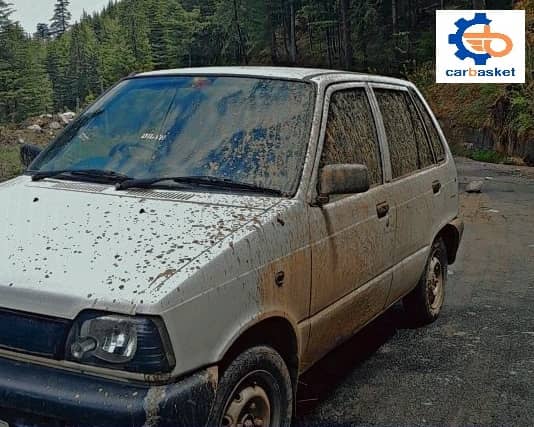
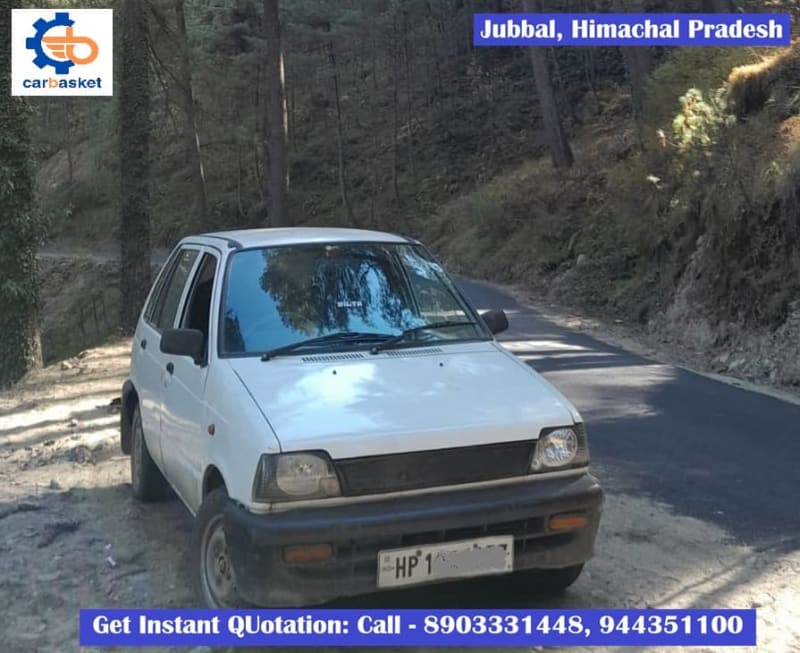
🚗 Maruti 800 – A legend bids farewell.
Carbasket successfully scrapped a Maruti 800 at Jubbal, Himachal Pradesh - a car that once carried dreams, memories, and countless family journeys across the hills.
From being India’s first people’s car to becoming part of everyday life, this iconic vehicle served its time with pride. Today, its journey ends responsibly through legal and eco-friendly scrapping.
♻️ RC cancelled legally
♻️ Materials recycled responsibly
♻️ Pollution reduced for cleaner hills
Old cars may retire, but their stories remain forever.
📞 Get Instant Quote: 8903331448
#Carbasket #Maruti800 #VehicleScrapping #HimachalPradesh #EndOfLifeVehicle #RCcancelled #ResponsibleRecycling #GoneButNotForgottenWhere Carbasket Vehicle Scrapping Connects
For many families, scrapping a Maruti 800 is emotional.
It’s not just a car — it’s a memory.
The Carbasket Vehicle Scrapping Platform ensures:
- Legal removal from the road
- Proper RC cancellation
- Environment-friendly recycling
- Responsible end-of-life processing
So even when the car’s journey ends, it contributes to cleaner mobility and sustainability.
FAQs
Q1. What was the first people’s car in India?
The Maruti 800, based on the Suzuki SS80 platform.
Q2. Who bought the first Maruti 800?
Harpal Singh from Delhi received the first car in 1983.
Q3. How many Maruti 800 cars were sold?
Over 2.7 million units across India.
Q4. Why was it so popular?
It was affordable, reliable, fuel-efficient, and easy to maintain.
Q5. Are Maruti 800 cars still on roads?
Some still exist, but many have been retired due to age and emission norms.
Truth Behind Its Legacy
The Maruti 800 didn’t just sell in large numbers.
It created a new culture.
It turned:
- Two-wheeler families into car owners
- Road travel into family bonding
- Mobility into aspiration
It made car ownership normal in India.