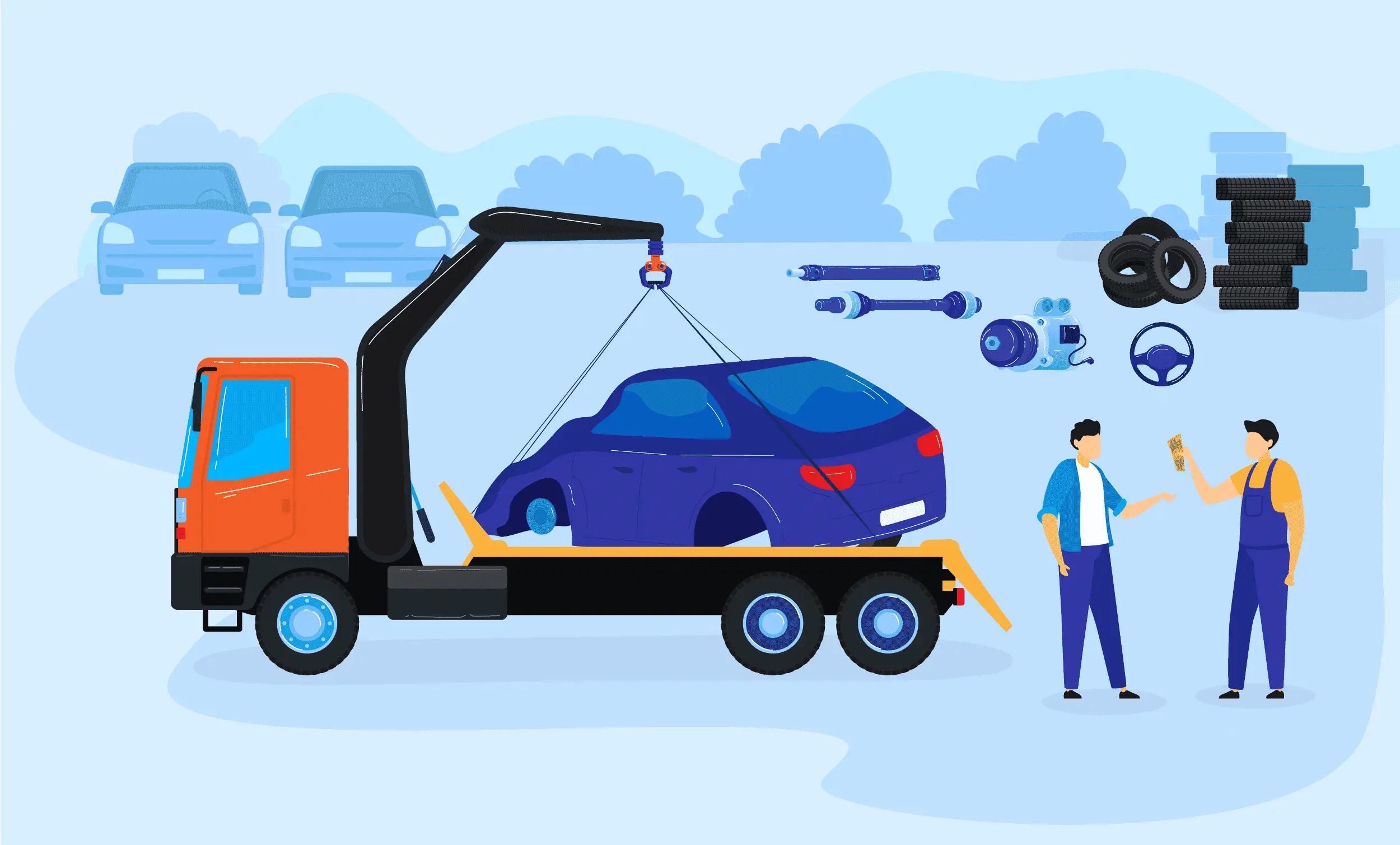
Most people notice worn tyres, broken windshields, faded paint, or a rusted body when a vehicle reaches the end of its life. However, one of the most dangerous components often goes unnoticed-the vehicle battery.
Whether it is a petrol car, diesel SUV, commercial truck, electric vehicle, auto rickshaw, or two-wheeler, every vehicle contains batteries and electrical components that require responsible handling when the vehicle is no longer in use.
A battery left inside an abandoned or unused vehicle can slowly become an environmental hazard.
The car battery you ignore today could be poisoning the ground beneath your feet tomorrow.
Why an Old Vehicle Battery Is Dangerous
Vehicle batteries are designed to store and deliver electrical energy safely while in use. Over time, especially when a vehicle remains unused for months or years, the battery casing may deteriorate, terminals corrode, and internal chemicals can begin to leak.
Improperly discarded or abandoned batteries can contribute to:
- Soil contamination
- Groundwater pollution
- Surface water contamination
- Damage to nearby vegetation
- Harm to wildlife
- Health risks from exposure to hazardous substances
While different battery technologies contain different materials, they should all be handled through appropriate recycling or disposal channels.
Toxic Materials Found in Vehicle Batteries
Depending on the vehicle, batteries may contain materials such as:
Lead
Lead is commonly used in conventional automotive batteries and must be recycled responsibly to prevent environmental contamination.
Sulphuric Acid
Lead-acid batteries contain sulphuric acid, which can damage soil, vegetation, and surrounding surfaces if released.
Lithium-Ion Components
Electric vehicles and many hybrid vehicles use lithium-ion batteries that require specialised handling due to their chemical composition and high-voltage systems.
Other Metals
Vehicle batteries may also contain:
- Nickel
- Cobalt
- Copper
- Aluminium
- Graphite
These materials can often be recovered through responsible recycling processes.
What Happens When a Battery Is Left Outdoors?
A battery sitting inside an abandoned vehicle is exposed to:
- Heat
- Rain
- Moisture
- Dust
- Temperature fluctuations
- Corrosion
Over time, the battery casing can deteriorate, increasing the risk of leaks or failure.
An unattended battery may eventually affect nearby soil and drainage systems if not removed and managed responsibly.
The Environmental Impact
Improper battery disposal contributes to several environmental challenges.
Soil Pollution
Leaked battery chemicals may reduce soil quality and affect plant growth.
Water Pollution
Rainwater can carry contaminants into stormwater drains, streams, lakes, and groundwater systems.
Air Pollution
Improper burning or dismantling of batteries outside approved recycling systems can release harmful substances into the environment.
Wildlife Impact
Animals may come into contact with contaminated soil or water, potentially affecting local ecosystems.
It Is Not Just the Battery
An end-of-life vehicle may also contain:
- Engine oil
- Brake fluid
- Coolant
- Transmission fluid
- Fuel residues
- Air-conditioning refrigerants
- Electronic components
- Plastics
- Rubber
- Glass
Responsible vehicle recycling ensures these materials are managed through appropriate recovery, recycling, or disposal processes.
Carbasket Recycles All Types of Vehicle Batteries
At Carbasket, our commitment to environmental sustainability goes beyond vehicle scrapping. We also facilitate the responsible collection and recycling of bulk vehicle batteries, helping prevent hazardous waste from entering landfills, soil, and water bodies.
Whether the batteries are removed from vehicles or are available as bulk battery inventory, Carbasket supports environmentally responsible downstream recycling through applicable recycling channels.
We Facilitate Recycling of Bulk Quantities of:
Automotive Batteries
- Car batteries
- SUV batteries
- Jeep batteries
- Van batteries
- Taxi batteries
Commercial Vehicle Batteries
- Truck batteries
- Bus batteries
- Lorry batteries
- Trailer batteries
- Construction equipment batteries
Two-Wheeler Batteries
- Motorcycle batteries
- Scooter batteries
- Moped batteries
Three-Wheeler Batteries
- Auto rickshaw batteries
- Cargo auto batteries
- Electric auto batteries
- E-rickshaw battery packs
Electric Vehicle (EV) Batteries
- Electric car battery packs
- Electric scooter batteries
- Electric motorcycle batteries
- Electric bus batteries
- Electric commercial vehicle batteries
- Lithium-ion battery packs
Industrial & Fleet Batteries
- Forklift batteries
- Material handling equipment batteries
- Warehouse equipment batteries
- Backup batteries from vehicle fleets
- Government fleet batteries
- Corporate fleet batteries
Battery Chemistries
We facilitate the responsible handling of various battery types, including:
- Lead-acid batteries
- Lithium-ion batteries
- AGM (Absorbent Glass Mat) batteries
- Gel batteries
- Enhanced Flooded Batteries (EFB)
- Nickel Metal Hydride (NiMH) batteries
- Other vehicle battery chemistries, subject to evaluation
Bulk Battery Collection Across India
Carbasket supports bulk battery collection from:
- Vehicle dealerships
- Automobile workshops
- Fleet operators
- Government departments
- Municipal corporations
- Logistics companies
- Transport operators
- Manufacturing facilities
- Warehouses
- Insurance companies
- Vehicle leasing companies
- Corporate offices
- Industrial estates
- Automobile dismantlers
- Scrap yards
Collection services are available across metropolitan cities, urban centres, municipalities, industrial areas, and many remote locations across India, subject to logistics and minimum collection quantities.
Why Proper Battery Recycling Matters
Vehicle batteries contain valuable recoverable materials such as lead, lithium, nickel, cobalt, copper, aluminium, and plastics. Recycling these materials through authorised downstream recycling processes helps:
- Reduce environmental pollution
- Prevent hazardous chemicals from contaminating soil and water
- Recover valuable raw materials
- Reduce dependence on virgin mineral extraction
- Support India's circular economy
- Promote sustainable waste management
Important Note
Carbasket facilitates the collection and aggregation of bulk vehicle batteries for responsible downstream recycling. Battery handling and recycling are carried out in accordance with applicable environmental regulations and through appropriate recycling channels. Acceptance depends on battery type, condition, quantity, and applicable legal requirements.
Responsible Vehicle Scrapping Protects the Environment
Vehicle scrapping is more than simply dismantling an old car.
It involves:
- Safe removal of batteries
- Recovery of recyclable metals
- Proper handling of hazardous materials
- Responsible dismantling
- Environmentally conscious recycling
- Reduction of landfill waste
- Conservation of natural resources
Carbasket Supports Responsible Vehicle Scrapping Across India
Carbasket facilitates legal and environmentally responsible vehicle scrapping services for:
Passenger Vehicles
- Hatchbacks
- Sedans
- SUVs
- Luxury cars
Electric Vehicles
- Electric cars
- Electric scooters
- Electric motorcycles
- Electric three-wheelers
Commercial Vehicles
- Trucks
- Buses
- Pickups
- Vans
- Tippers
Three-Wheelers
- Passenger autos
- Cargo autos
- Municipal utility vehicles
Government Vehicles
- Administrative vehicles
- Utility vehicles
- Municipal fleet vehicles
- Public sector fleet vehicles
Agricultural & Industrial Vehicles
- Tractors
- Construction equipment
- Farm vehicles
- Utility machinery
Any Brand. Any Model. Any Condition.
Carbasket facilitates scrapping for vehicles that are:
- Old
- Accident damaged
- Flood affected
- Fire damaged
- Non-running
- Insurance total loss
- Rusted
- Long-term parked
- End-of-life
- Missing parts
- Battery failed
- Mechanically damaged
Pickup Available Across India
Carbasket provides free pickup for eligible vehicles from:
Metropolitan Cities
- Hyderabad
- Delhi
- Mumbai
- Bengaluru
- Chennai
- Kolkata
Major Cities
- Pune
- Ahmedabad
- Surat
- Kochi
- Coimbatore
- Jaipur
- Chandigarh
- Lucknow
- Patna
- Guwahati
- Raipur
- Ranchi
- Jamshedpur
- Bhopal
- Rajkot
- Indore
- Panjim
- Srinagar
- Dehradun
- Leh
- Shimla
Local Municipalities
Pickup support is available from municipal corporations, municipalities, district headquarters, industrial areas, and town panchayats.
Remote Locations
Subject to accessibility, Carbasket coordinates vehicle pickup from villages, hill stations, mining regions, agricultural areas, ports, and other remote locations across India.
Why Choose Carbasket?
✓ Free Vehicle Pickup
Pickup from homes, offices, workshops, parking areas, institutions, and fleet yards.
✓ Nationwide Coverage
Services available across India.
✓ Responsible Recycling
Vehicles are dismantled through environmentally responsible processes with appropriate downstream handling of hazardous materials.
✓ Documentation Support
Depending on the applicable process, Carbasket can provide:
- Scrap Certificate
- Certificate of Disposal
- Vehicle dismantling evidence (where applicable)
- Chassis destruction documentation (where applicable)
Vehicle owners remain responsible for completing RC cancellation and other statutory formalities with the respective RTO.
Carbasket's Commitment to a Cleaner India
Carbasket believes that every responsibly recycled vehicle contributes to cleaner cities, healthier communities, and a more sustainable future.
The company has also been honoured with the Clean & Green Initiative Award presented by the Honourable Chief Minister of Karnataka, Shri D. K. Shivakumar, recognising its contribution towards environmental awareness and responsible vehicle recycling. This recognition acknowledges Carbasket's sustainability efforts and should not be interpreted as a government endorsement of its services.
Carbasket Hyderabad Office
If you're looking for vehicle scrapping services in Hyderabad or nearby areas, you can contact Carbasket.
Carbasket – Hyderabad Office
Address:
MM Building, 1, Street No. 6, New Mettuguda, Keshav Nagar Colony, Mettuguda, Secunderabad/Hyderabad, Telangana 500017
Phone: +91 8903331448, 9443511500
Email: [email protected]
Website: https://carbasket.in
Conclusion
An old vehicle battery may appear harmless, but if ignored for months or years, it can become a source of environmental pollution. Proper disposal of end-of-life vehicles helps recover valuable materials, reduces hazardous waste, and protects soil and water resources.
Whether your vehicle is a small hatchback, an electric scooter, a commercial truck, or a government fleet vehicle, responsible scrapping is an investment in a cleaner future.
Choose Carbasket for convenient pickup and environmentally responsible vehicle scrapping across India.
Frequently Asked Questions (FAQs)
1. Why should I not leave an old vehicle battery unattended?
Over time, deteriorated batteries can leak hazardous substances that may contaminate soil and water if not managed responsibly.
2. Does Carbasket scrap vehicles with damaged batteries?
Yes. Carbasket facilitates scrapping of vehicles with old, damaged, failed, or discharged batteries, subject to evaluation.
3. Does Carbasket scrap electric vehicles?
Yes. Electric cars, electric scooters, electric three-wheelers, and other EVs are accepted for responsible scrapping.
4. Do you provide free pickup?
Yes. Free pickup is available for eligible vehicles across most locations in India.
5. Can you collect vehicles from remote villages?
Yes. Subject to accessibility, Carbasket coordinates pickup from metropolitan cities, municipalities, towns, villages, and many remote locations.
6. What documents does Carbasket provide?
Depending on the applicable process, Carbasket can provide a Scrap Certificate, Certificate of Disposal, and other supporting scrapping documentation. RC cancellation remains the responsibility of the vehicle owner with the respective RTO.
7. What types of vehicles do you accept?
Cars, SUVs, bikes, electric vehicles, auto rickshaws, commercial vehicles, buses, trucks, tractors, government vehicles, and construction equipment.
8. Can I scrap an accident-damaged or non-running vehicle?
Yes. Carbasket facilitates scrapping of eligible accident-damaged, flood-affected, fire-damaged, non-running, and end-of-life vehicles.
9. Why is responsible battery recycling important?
It helps recover valuable materials, reduces environmental pollution, and supports sustainable resource management.
10. Does Carbasket operate only in major cities?
No. Carbasket serves metropolitan cities, municipalities, district headquarters, industrial areas, towns, villages, and many remote locations across India, subject to pickup feasibility.