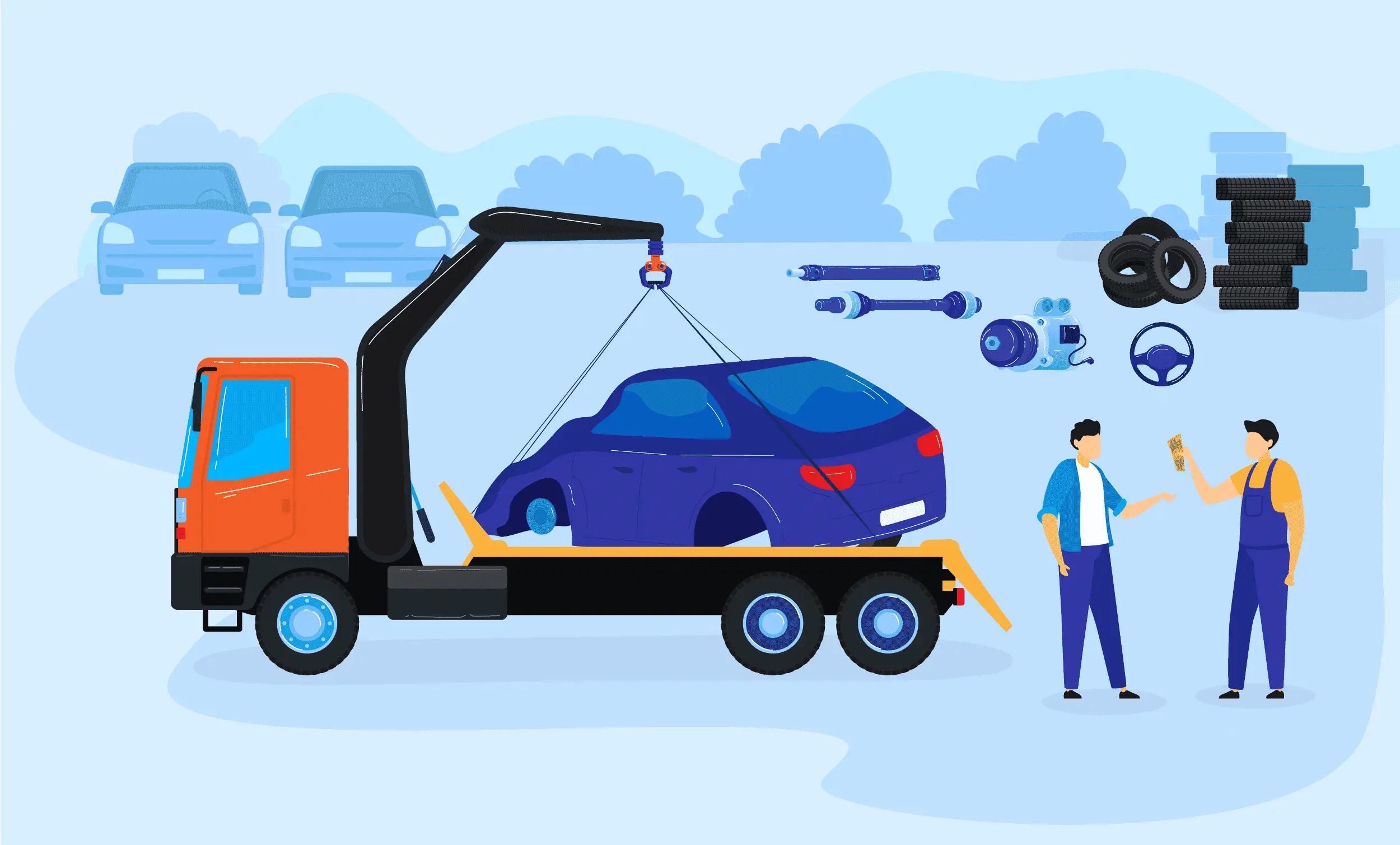
Most people think old vehicles end their life in a junk heap.
But the truth is far more meaningful — almost 90–95% of a vehicle can be reused, recycled, or repurposed through authorised scrapping.
When a vehicle is recycled scientifically at an Carbasket (Vehicle Scrapping Facility) through Carbasket, each component is carefully dismantled, segregated, and processed so that valuable materials return to the circular economy instead of polluting the environment.
Here’s an in-depth guide to what happens to your old car — and how every part finds a second life.
🔩 1. Metals (Steel, Aluminium, Iron, Copper) — 100% Recyclable
A car’s body and frame are primarily made of metals that can be recycled indefinitely.
Recycled Into:
- New vehicle parts
- Steel bars & construction materials
- Industrial machinery
- Electrical components
Carbasket ensures clean separation and proper grading of metals for maximum recycling value.
🔋 2. Batteries — One of the Most Valuable Recycled Components
Lead-acid and lithium batteries are carefully removed and sent to certified recyclers.
Extracted:
- Lead
- Plastic casing
- Electrolyte (neutralised & processed)
Reused In:
- New automotive batteries
- Backup power units
- Inverters & renewable storage systems
Carbasket ensures zero environmental leakage during removal.
🛢️ 3. Oils & Fluids — Safely Recovered
Old cars contain multiple hazardous fluids:
- Engine oil
- Gear oil
- Hydraulics
- Brake fluid
- Coolant
- Refrigerant gas
At Carbasket RVSFs, all fluids are:
- Extracted using depollution machines
- Filtered or neutralised
- Recycled into lubricants or disposed safely
This prevents soil and water contamination.
🛞 4. Tyres & Rubber Components
Instead of being dumped or burnt, tyres are repurposed through:
- Crumb rubber technology
- Road construction asphalt
- Sports tracks
- Playground flooring
- Industrial rubber mats
Rubber recycling is central to reducing India’s landfill burden.
🔧 5. Engine, Transmission & Mechanical Assemblies
Many mechanical components still hold value.
They are:
- Tested
- Refurbished
- Repaired
- Reused in older vehicles
Engines, gearboxes, and alternators often get a second life.
🪟 6. Glass (Windshields, Windows)
Automotive glass is laminated and requires specialised recycling.
Recycled Into:
- Fibreglass
- Tiles
- Construction materials
- Insulation products
Carbasket sends all glass waste to authorised processors.
🧵 7. Plastic Components (Bumpers, Dashboards, Panels)
Cars contain dozens of plastic parts that are recyclable.
After shredding, plastics become:
- Industrial pellets
- New auto parts
- Household products
♻️ 8. Catalytic Converter — Contains Precious Metals
One of the most valuable components due to:
These rare metals are extracted and reused in new catalytic converters.
🔌 9. Wiring Harness — High Copper Value
Copper is recovered through:
- Shredding
- Separation
- Refining
Used in electronics, power cables, telecom wiring, etc.
🪑 10. Interior Components (Seats, Foam, Fabric, Leather)
Recycled into:
- Furniture
- Insulation
- Carpet underlay
- Reprocessed foam products
🌱 Why Recycling Matters
Authorised recycling reduces:
- CO₂ emissions
- Mining of raw materials
- Oil pollution
- Landfill waste
- Illegal reselling of unsafe vehicles
When you scrap with Carbasket, you choose an eco-friendly, transparent, and legally compliant path for your old vehicle.
🛠️ Why Choose Carbasket for Vehicle Recycling?
Carbasket ensures scientific recycling and customer safety through:
✔ Government-approved RVSF scrapping
✔ Full depollution (oils, gases, fluids)
✔ Scrapping video + chassis cut proof
✔ Certificate of Vehicle Scrapping (CVS)
✔ Certificate of Deposit (CoD) for tax benefits
✔ RC cancellation on VAHAN
✔ Best scrap value with digital weighing
✔ 100% transparent, safe, legal process
Your old car doesn’t just disappear — it becomes a meaningful part of India’s recycling ecosystem.
📘 FAQs: Car Recycling & Reuse
1. Can almost all parts of a vehicle be recycled?
Yes. Up to 95% of a vehicle can be reused or recycled through authorised dismantling.
2. Does Carbasket recycle all parts of the vehicle?
Yes. Carbasket works with RVSFs to recycle metals, plastics, tyres, batteries, wiring, fluids, and catalytic converters.
3. What documents do I get after scrapping my car?
You receive:
- CVS (Certificate of Vehicle Scrapping)
- CoD (Certificate of Disposal)
- Chassis cut proof
- Scrapping video
- RC cancellation confirmation
4. Is scrapping with local scrap dealers safe?
No. They do not recycle responsibly, do not cancel RCs, and often resell vehicles illegally.
5. Does recycling reduce pollution?
Absolutely. Proper scrapping prevents toxic leaks, saves raw materials, and reduces carbon footprint.
6. Will I get a discount on a new vehicle after scrapping?
Yes, through the Certificate of Disposal (CoD), depending on state policy and manufacturer incentives.