Some things quietly disappear over time.
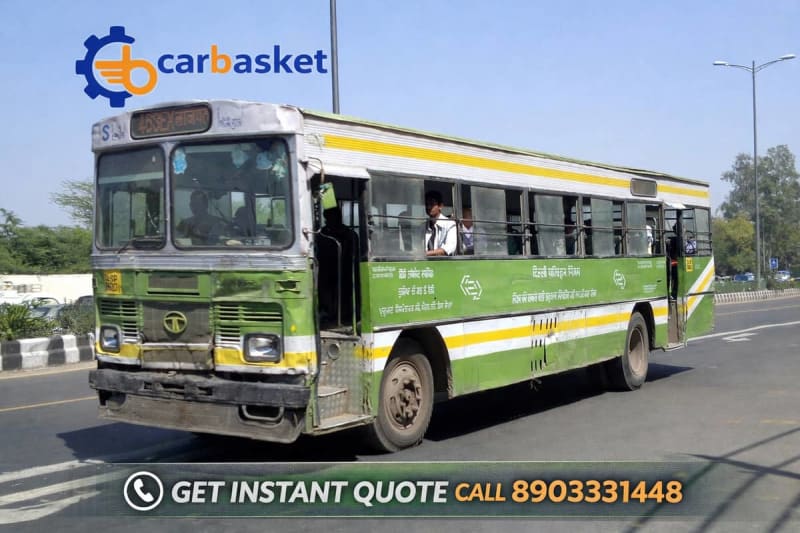
Old buses that once rattled through crowded streets.
Landline phones that connected entire families.
Paper tickets torn by conductors during daily commutes.
They may not exist anymore - but they shaped how a city lived, moved, and spoke.
Delhi was built not just on monuments and grand avenues, but on everyday moments. On routines, conversations, journeys, and systems that defined daily life.
These forgotten details hold stories that rarely make it to guidebooks — yet they are the true heartbeat of the city.
A City Built on Everyday Histories
Before smartphones, metro cards, and ride-hailing apps, Delhi ran on simpler systems:
- Buses that connected neighborhoods
- Public telephones that kept families in touch
- Paper tickets that marked daily travel
- Slow-moving streets filled with real human interaction
These things didn’t just serve a function - they created a rhythm for the city.
The sound of a bus horn.
The ring of a landline.
The conductor shouting destinations.
This was Delhi’s real soundtrack.
When Ordinary Things Defined Urban Life
Old buses were more than transport.
They were moving social spaces.
Landlines were more than devices.
They were family connection points.
Paper tickets were more than receipts.
They were daily proof of movement.
These systems shaped how people:
- Planned their day
- Met each other
- Navigated the city
- Built community bonds
The Role of Slow, Immersive City Exploration
Modern Delhi moves fast.
But understanding Delhi requires slowing down.
Experiences like heritage walks help uncover:
- Forgotten streets
- Hidden histories
- Cultural layers beneath modern development
They focus on context, not just visuals.
Stories, not just structures.
They remind us that cities are not just built with stone —
They are built with memories.
Facts vs Myths About “Old Delhi Life”
Myth 1: Old systems were inefficient
Fact: They created strong human connection and social interaction.
Myth 2: Modern technology made everything better
Fact: It made things faster, but sometimes less personal.
Myth 3: Old buses and landlines were outdated
Fact: They were once the backbone of the city.
The Transport Angle: From Old Buses to Modern Mobility
Delhi’s old transport systems played a major role in shaping urban movement.
Over time:
- Vehicles became faster
- Roads expanded
- Public transport evolved
Under the framework encouraged by the Motor Vehicles Act:
- Safety standards improved
- Vehicle fitness checks became stricter
- Pollution norms tightened
This shift moved the city from nostalgia to necessity - from old systems to safer, cleaner mobility.
In Tamil Nadu, many government buses still issue paper tickets even today, especially in services operated by the Tamil Nadu State Transport Corporation (TNSTC) and Metropolitan Transport Corporation (MTC Chennai).
Why paper tickets are still used:
- Easy for short-distance and rural routes
- Quick manual issuing by conductors
- Works without internet or machines
- Familiar and trusted system for daily commuters
Where you’ll still see paper tickets:
- Town buses
- Village and rural routes
- Non-AC and ordinary services
- Some city buses in smaller towns
But change is slowly happening:
- Electronic ticket machines (ETMs) are being introduced
- Digital passes and QR-based tickets are being tested in cities
- Metro systems already use smart cards & QR tickets
So while many cities moved fully digital, Tamil Nadu still keeps the paper-ticket culture alive, especially in public bus networks that serve millions daily.
When Old Vehicles Become Part of History
Just like landlines and paper tickets, vehicles also age.
Old buses, cars, and commercial vehicles once defined city movement.
Today, many of them no longer run on the roads.
Some belong in memories.
Some belong in museums.
Some must be responsibly removed for safety and environment.
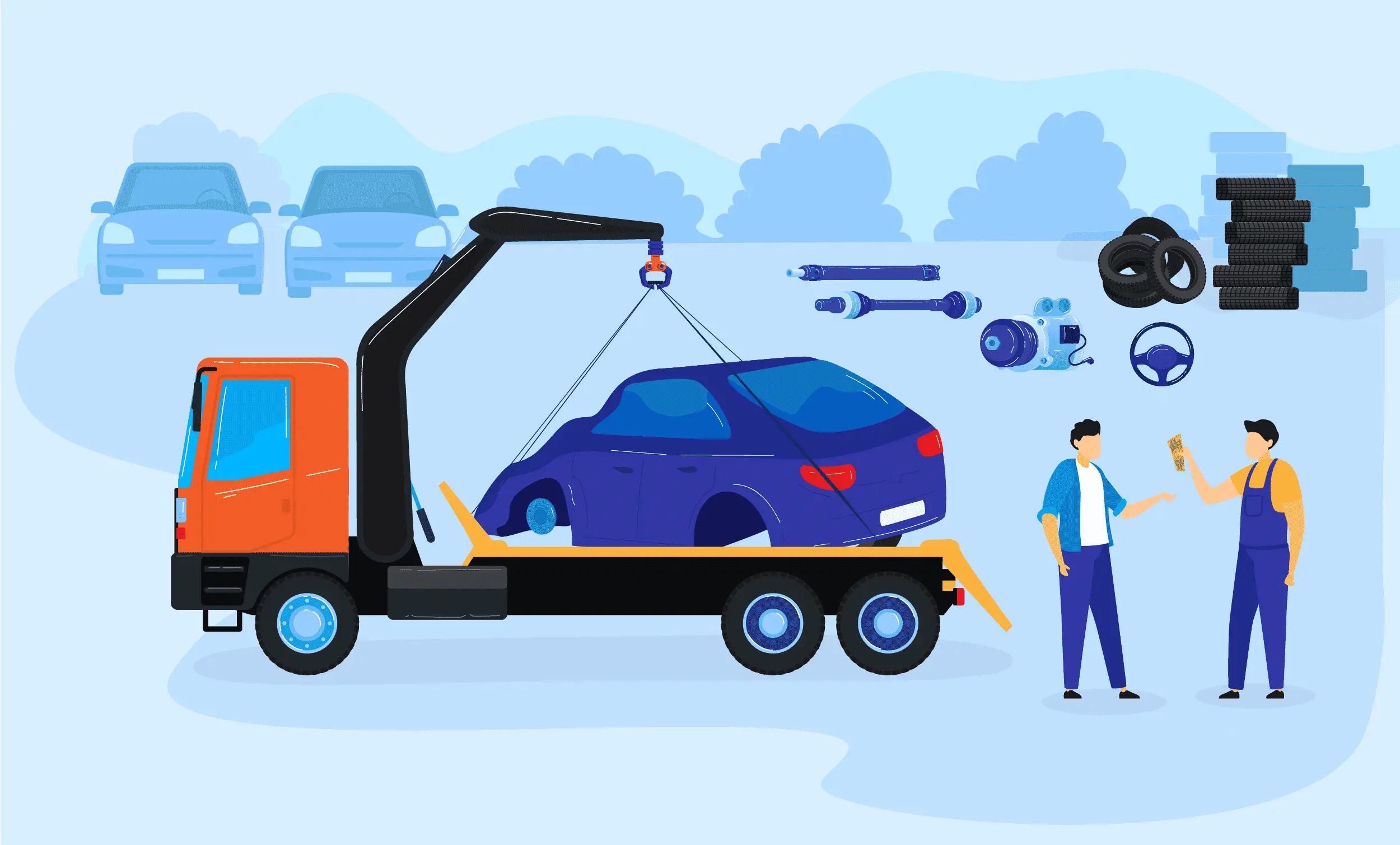
Where Carbasket Vehicle Scrapping Connects
As cities modernize, removing end-of-life vehicles becomes essential.
Through the Carbasket Vehicle Scrapping Platform, old vehicles that once shaped the city are:
- Removed legally from the road
- Recycled responsibly
- Prevented from increasing pollution
It’s not about erasing history.
It’s about making space for safer, cleaner mobility.
Cities evolve.
But their stories remain.
Why These Memories Still Matter
Understanding a city isn’t just about monuments.
It’s about:
- The buses people waited for
- The phones they gathered around
- The tickets they held in their hands
These everyday objects carried life, emotion, and routine.
They made the city feel human.
FAQs
Q1. Why are old transport systems important to city history?
They shaped daily life, mobility, and social interaction.
Q2. Are old buses still used in Delhi?
Most have been replaced by modern, safer vehicles.
Q3. Why did landlines disappear?
Mobile technology replaced them for convenience.
Q4. How do old vehicles impact cities today?
They may increase pollution and safety risks if not maintained.
Q5. What happens to old vehicles now?
They must meet fitness standards or be responsibly scrapped.