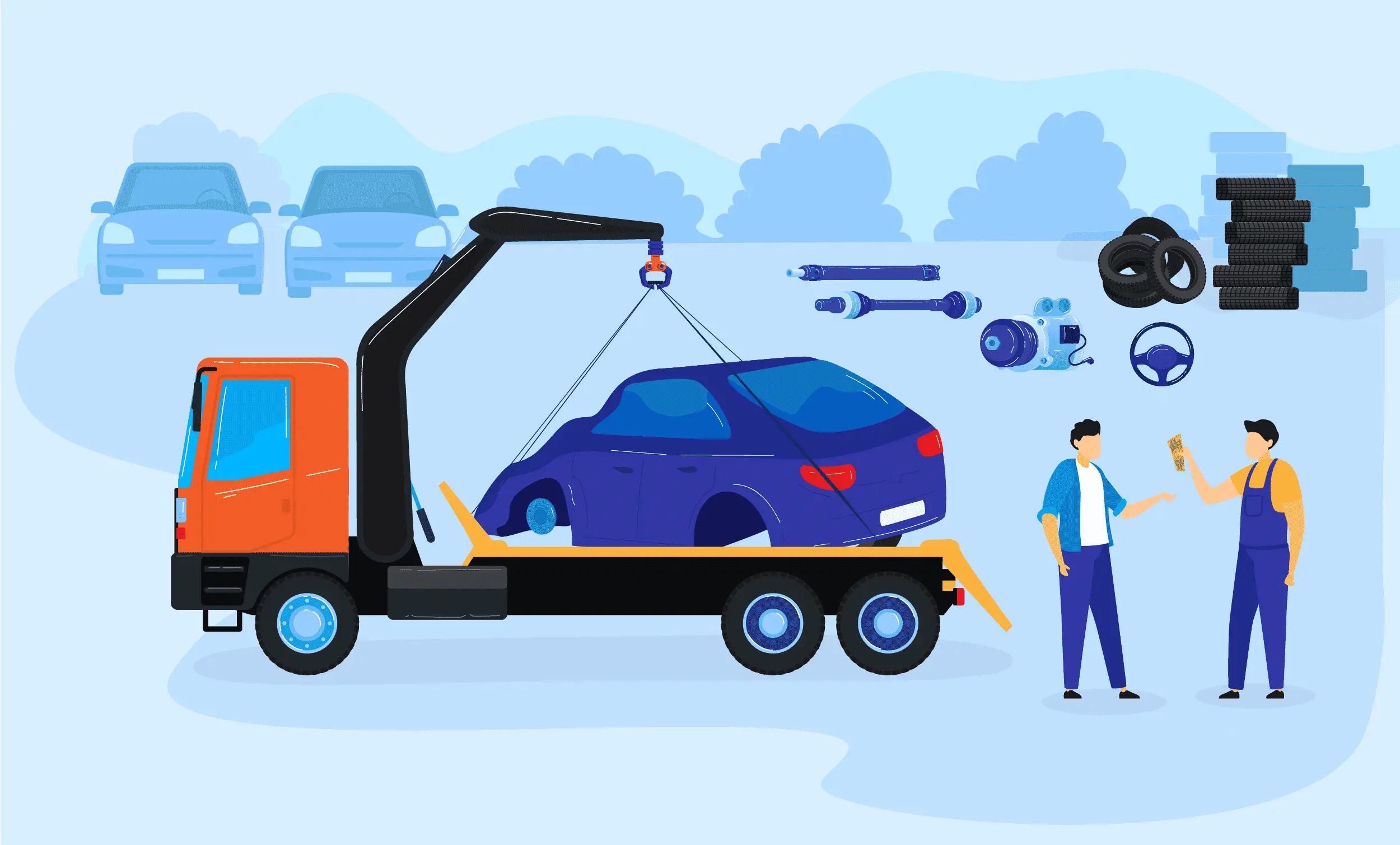
Selling or disposing of an old or end-of-life vehicle is not simply about finding someone who will take it away. A responsible vehicle scrapping process should provide clarity, proper documentation, transparency and responsible handling from the initial enquiry through collection, dismantling and recycling.
For vehicle owners, choosing the right scrapping route can make the process more organised and provide important records of what happened to the vehicle.
Carbasket helps vehicle owners across India with vehicle scrapping and recycling assistance for old, damaged, junk, non-running and end-of-life vehicles.
Why Responsible Vehicle Scrapping Matters
An end-of-life vehicle contains steel, aluminium, plastics, glass, rubber, batteries and other materials that can potentially be recovered and recycled.
When vehicles are handled through an appropriate scrapping and recycling process, recyclable materials can be separated and recovered while the vehicle is taken out of service in a more structured manner.
For owners, responsible scrapping is also about having confidence that the vehicle has been handed over through a documented process.
The Four Essentials of Vehicle Scrapping
At Carbasket, responsible vehicle scrapping can be understood through four important principles:
1. Right Process
2. Proper Documentation
3. Transparency
4. Responsible Handling
These four elements help distinguish a structured vehicle scrapping process from simply handing an old vehicle to an unknown buyer.
1. The Right Vehicle Scrapping Process
A vehicle scrapping journey generally begins with collecting basic vehicle information and understanding its condition and location.
The process may include:
- Vehicle enquiry and assessment
- Verification of vehicle details and documents
- Scrap valuation
- Collection coordination
- Vehicle handover
- Dismantling through the applicable facility/process
- Recovery and recycling of materials
- Issuance of applicable scrap-related documentation
The exact procedure may vary according to the vehicle type, state, registration details, facility and applicable regulations.
The important point is that the owner should understand what happens to the vehicle at every major stage.
2. Proper Documentation
Documentation is one of the most important parts of responsible vehicle scrapping.
When an old vehicle is handed over for scrapping, the owner should retain appropriate evidence of the transaction and disposal.
Depending on the applicable process and facility, documentation may include:
- Scrap Letter
- Scrap Certificate
- Certificate of Disposal (COD)
- Vehicle Scrapping Certificate (VSC), where applicable
- Vehicle handover records
- Dismantling-related evidence
- Chassis plate cutting evidence, where applicable
The specific documents issued depend on the applicable scrapping process and facility.
Why Does Documentation Matter?
Proper documentation can help the owner demonstrate that the vehicle was handed over for scrapping.
It can also be useful when completing subsequent vehicle-related formalities.
Vehicle owners should keep all original and digital records safely for future reference.
3. Transparency Throughout the Process
A responsible scrapping service should not leave the owner wondering what happened to the vehicle after collection.
Transparency can include clearly communicating:
- How the vehicle is assessed
- How the scrap value is determined
- What documents are required
- How collection is arranged
- Where the vehicle is being processed
- What documentation will be provided
- What the owner needs to do after scrapping
At CarBasket, the objective is to make vehicle scrapping easier to understand and easier to manage.
4. Responsible Handling and Recycling
An end-of-life vehicle should ideally enter an appropriate dismantling and recycling process.
Vehicles contain a mixture of recyclable and other materials. During dismantling, materials can be segregated for recovery and recycling.
Potentially recoverable materials include:
Metals
Steel, iron, aluminium, copper and other metals can be recovered and sent into recycling streams.
Plastics
Various automotive plastics can be separated for appropriate recycling or processing.
Glass
Automotive glass can be recovered and directed toward suitable recycling channels.
Rubber
Tyres and other rubber components can be handled through applicable recovery or recycling processes.
Batteries and Other Components
Vehicle batteries and other components require appropriate handling according to applicable requirements.
Responsible dismantling helps support the broader circular economy by recovering materials instead of allowing useful resources to become unmanaged waste.
Carbasket: Making Vehicle Scrapping More Structured
CarBasket provides vehicle scrapping and recycling assistance for a wide range of vehicles, including:
- Old cars
- Scrap cars
- Damaged cars
- Non-running vehicles
- End-of-life vehicles
- Motorcycles and scooters
- Electric vehicles
- Three-wheelers
- Commercial vehicles
- Trucks
- Tractors
- JCB and other agricultural/construction vehicles
The service availability, valuation and collection arrangements may depend on the vehicle's condition, location, documentation and applicable facility requirements.
Pan-India Vehicle Scrapping Assistance
Vehicle owners do not always need to find a scrap buyer in the same locality where the vehicle is registered.
CarBasket provides pan-India assistance and can help owners understand available scrapping options based on their vehicle and location.
The applicable documentation and RTO requirements may vary according to the registration state and individual vehicle circumstances.
What About RC Cancellation?
One of the most important points vehicle owners should understand is that vehicle scrapping and RC cancellation are separate matters.
Scrapping documentation confirms the vehicle's disposal through the applicable scrapping process. However, the owner may still need to complete the applicable RTO deregistration/RC cancellation formalities.
Carbasket can assist with understanding the vehicle scrapping process and provide applicable scrap-related documentation, but vehicle owners should follow the required RTO procedure for cancellation of the vehicle's registration.
What If the Vehicle Has an Outstanding Loan?
Before scrapping a vehicle with an active hypothecation or outstanding loan, the owner should resolve the applicable financial obligation and obtain the required financier/bank documentation.
Depending on the circumstances, this may include documents such as:
- Loan closure confirmation
- Bank/financier NOC
- Form 35, where applicable
- Other documents required for removal of hypothecation
Any legal restriction, court case or other issue affecting the vehicle should also be resolved before proceeding, as applicable.
Why Choose CarBasket?
Choosing a vehicle scrapping service should not be based only on the amount offered for an old vehicle.
A responsible decision should also consider the process, documentation, transparency and handling of the vehicle.
With Carbasket, Vehicle Owners Can Get:
✓ Vehicle scrapping assistance
✓ Pan-India service coordination
✓ Support for different vehicle types and conditions
✓ Collection coordination
✓ Scrap-related documentation
✓ Dismantling-related evidence, where applicable
✓ Guidance on the overall scrapping process
✓ A more transparent approach to vehicle disposal
Don't Just Sell Your Old Vehicle. Scrap It Responsibly.
An old vehicle may no longer have practical value on the road, but its materials can still have value through responsible recycling.
More importantly, the end of a vehicle's road life should be handled with proper documentation and clarity.
It’s about the right process.
It’s about proper documentation.
It’s about transparency.
It’s about responsible handling.
It’s about choosing a better way to scrap your vehicle.
Scrap Your Old or End-of-Life Vehicle With CarBasket
Have an old, damaged, non-running or end-of-life vehicle?
Contact Carbasket to understand the vehicle scrapping process and explore available scrapping assistance in your location.
Frequently Asked Questions
1. What is responsible vehicle scrapping?
Responsible vehicle scrapping means handling an end-of-life vehicle through an appropriate process involving collection, documentation, dismantling, material recovery and recycling, along with completion of applicable vehicle-related formalities.
2. Why is documentation important when scrapping a vehicle?
Documentation provides evidence of the vehicle handover and disposal and may be required for subsequent vehicle-related formalities. Owners should retain all applicable scrap documents safely.
3. What documents can I receive after scrapping my vehicle?
Depending on the applicable process and facility, documents may include a Scrap Certificate, Certificate of Disposal (COD), scrap letter, Vehicle Scrapping Certificate (VSC) and other applicable records.
4. Does a Scrap Certificate cancel my vehicle's RC?
Not necessarily. Scrapping and RC cancellation/deregistration are separate processes. The vehicle owner should complete the applicable RTO formalities.
5. Can I scrap a non-running vehicle?
Yes. Carbasket assists with old, damaged, non-running and end-of-life vehicles, subject to vehicle details, location, documentation and collection feasibility.
6. Can I scrap an accident-damaged vehicle?
Yes. Accident-damaged vehicles can be considered for scrapping depending on their condition, documentation, location and applicable process.
7. Can I scrap my vehicle from another state?
Carbasket provides pan-India vehicle scrapping assistance. However, applicable documentation and RTO requirements can differ based on the vehicle's registration and circumstances.
8. What happens to an end-of-life vehicle after scrapping?
The vehicle can be dismantled and its recyclable materials segregated for recovery and recycling through the applicable process.
9. Can I scrap a vehicle with an outstanding loan?
The applicable loan or hypothecation generally needs to be resolved before proceeding. The owner may need a loan closure document, financier NOC, Form 35 or other applicable documentation.
10. Does Carbasket provide vehicle collection assistance?
Carbasket can coordinate vehicle collection where service availability and location conditions permit. Collection arrangements depend on the vehicle, location and applicable facility.
11. What types of vehicles can Carbasket assist with?
Carbasket can assist with various categories, including cars, bikes, EVs, three-wheelers, commercial vehicles, trucks, tractors, JCBs and other old or end-of-life vehicles.
12. Why should I choose a structured vehicle scrapping service instead of an informal scrap buyer?
A structured process can provide greater clarity regarding vehicle assessment, handover, documentation, dismantling and recycling. It can also give the owner better records of the vehicle's disposal.