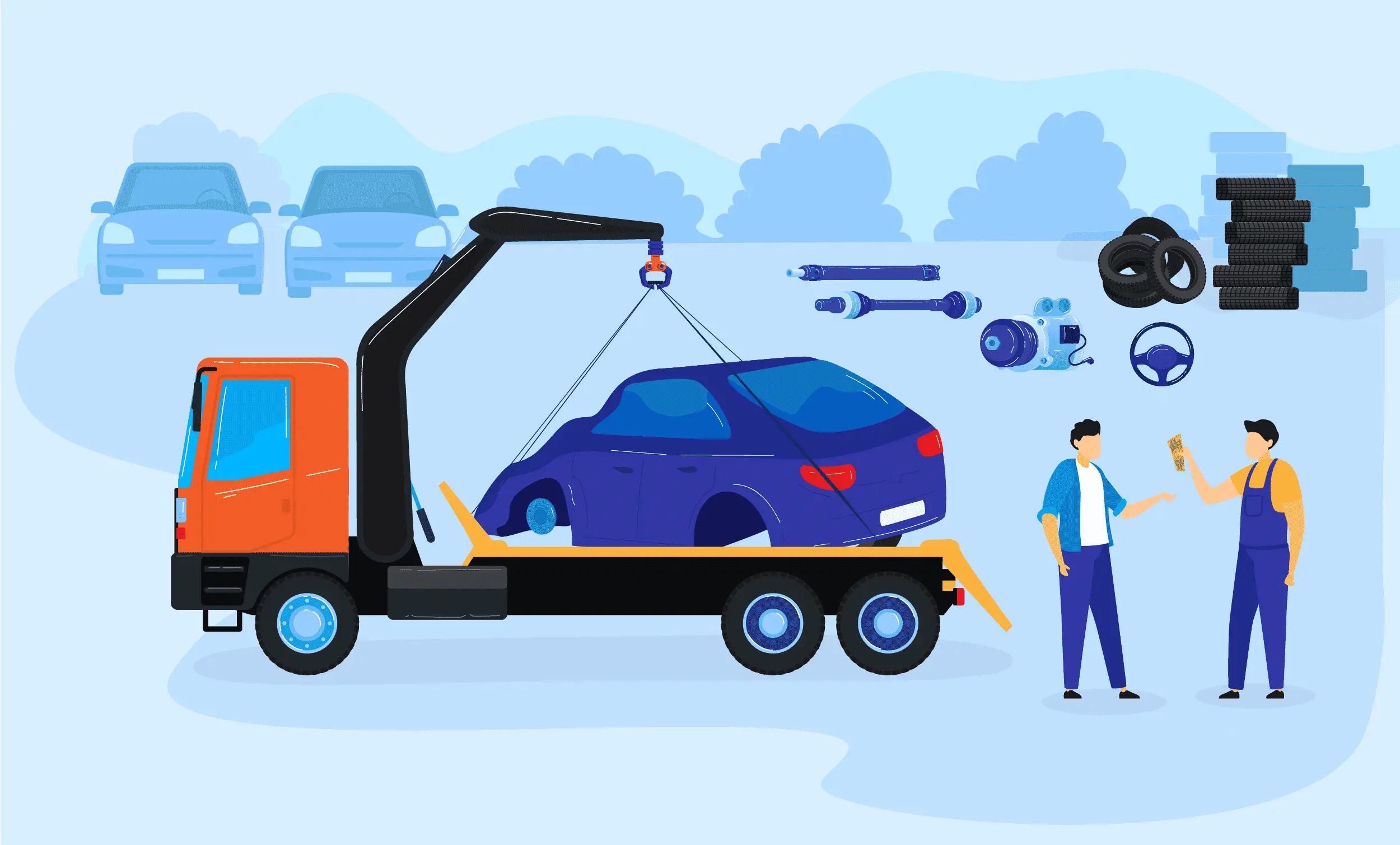
When a vehicle reaches the end of its useful life, many owners assume that vehicle scrapping and vehicle recycling mean the same thing. While these terms are often used interchangeably, they represent different stages of a responsible End-of-Life Vehicle (ELV) management process.
Understanding the distinction is important for every vehicle owner. Proper disposal is not only about getting the best value for an old vehicle—it is also about ensuring legal compliance, environmental protection, and maximum resource recovery.
At CarBasket, we help vehicle owners across India connect with the appropriate vehicle scrapping and recycling ecosystem, ensuring that old, accidental, damaged, and non-running vehicles are processed responsibly.
This guide explains the differences between scrapping and recycling, why both matter, and how they work together to support a cleaner and more sustainable automotive industry.
What Is Vehicle Scrapping?
Vehicle scrapping is the official retirement of a vehicle from active road use. It is the first stage in the end-of-life process and involves safely collecting and dismantling a vehicle that is no longer fit for use.
Vehicle scrapping generally includes:
- Vehicle inspection
- Verification of ownership documents
- Collection and transportation
- Safe dismantling
- Removal of hazardous materials
- Issuance of a Vehicle Scrap Certificate
- Preparation of recyclable materials
Scrapping ensures that an unusable vehicle is permanently removed from circulation and processed through an organized system.
What Is Vehicle Recycling?
Vehicle recycling begins after the dismantling process. Instead of disposing of vehicle components as waste, recyclable materials are recovered, sorted, processed, and returned to manufacturing industries.
Common materials recovered during recycling include:
- Steel
- Aluminium
- Copper
- Brass
- Lead
- Plastics
- Rubber
- Glass
These recovered materials are used to manufacture new automotive parts, construction materials, industrial products, and consumer goods, reducing the need for virgin raw materials.
Scrapping and Recycling: Understanding the Difference
Vehicle Scrapping Vehicle Recycling
Marks the end of a vehicle's road life /Gives recovered materials a second life
Focuses on dismantling and safe disposal /Focuses on material recovery and reuse
Includes documentation and decommissioning /Includes processing recyclable materials
Removes hazardous substances safely /Conserves natural resources
Ends vehicle ownership lifecycle /Supports the circular economy
Both processes are interconnected and essential for responsible vehicle disposal.
Why Responsible Vehicle Disposal Matters
An abandoned or improperly dismantled vehicle can create serious environmental and safety risks.
Potential issues include:
- Engine oil contaminating soil
- Coolant leaking into groundwater
- Battery chemicals polluting the environment
- Fuel residue posing fire hazards
- Uncontrolled disposal of tyres and plastics
Responsible scrapping and recycling minimize these risks while maximizing resource recovery.
The Journey of an End-of-Life Vehicle
A responsibly managed vehicle follows a structured process:
Step 1: Vehicle Assessment
The vehicle's condition, ownership, and documentation are verified.
Step 2: Vehicle Collection
The vehicle is transported to a recognized dismantling and recycling ecosystem.
Step 3: Safe Depollution
Hazardous materials such as:
- Fuel
- Engine oil
- Brake fluid
- Coolant
- Transmission oil
- Battery
are removed using safe procedures.
Step 4: Dismantling
Reusable and recyclable components are carefully separated.
Step 5: Material Segregation
Different materials are sorted according to recycling requirements.
Step 6: Recycling
Recovered metals, plastics, rubber, and glass are processed and supplied for manufacturing new products.
Why Recycling Is More Valuable Than Simply Disposing of Vehicles
Modern vehicles contain up to 80–90% recyclable materials by weight, making them an important source of secondary raw materials.
Benefits include:
- Reduced mining activities
- Lower energy consumption
- Reduced greenhouse gas emissions
- Less landfill waste
- Conservation of natural resources
- Improved manufacturing efficiency
Recycling transforms what was once considered waste into valuable industrial resources.
Environmental Benefits of Scientific Vehicle Recycling
Responsible recycling supports environmental sustainability by:
Reducing Carbon Emissions
Producing recycled steel and aluminium generally requires less energy than producing them from virgin ores, reducing overall emissions.
Conserving Natural Resources
Recovered metals can be reused multiple times without significant loss of quality.
Preventing Soil and Water Pollution
Proper handling of oils, batteries, and fluids prevents hazardous contamination.
Reducing Landfill Waste
Recycling diverts large volumes of materials away from landfills, promoting better waste management.
Economic Advantages of Vehicle Recycling
Vehicle recycling also creates economic value by:
- Supporting the recycling industry
- Generating employment
- Reducing manufacturing costs
- Increasing availability of recycled raw materials
- Encouraging resource efficiency
- Strengthening India's circular economy
Common Misconceptions About Vehicle Scrapping
Myth 1: Scrapping Means Everything Is Destroyed
Reality: Many materials are recovered and recycled for future use.
Myth 2: Old Vehicles Have No Value
Reality: Even non-running or damaged vehicles contain valuable recyclable materials.
Myth 3: Selling to Any Scrap Dealer Is the Same
Reality: Informal dismantling may ignore environmental safeguards and proper documentation, while organized recycling follows established processes and responsible material recovery.
Myth 4: Recycling Only Means Melting Metal
Reality: Modern vehicle recycling also includes plastics, rubber, glass, wiring, catalytic converters, batteries, and other components.
How CarBasket Supports Responsible Vehicle Disposal
CarBasket simplifies the vehicle disposal process by helping customers connect with the right vehicle scrapping and recycling ecosystem across India.
Our services include:
- Vehicle valuation assistance
- Pickup coordination
- Vehicle Scrap Certificate
- Certificate of Deposit (where applicable)
- Chassis cutting documentation
- Support throughout the scrapping process
- Environmentally responsible recycling coordination
Whether your vehicle is old, accidental, flood-damaged, fire-damaged, or non-running, we help ensure it enters a responsible recycling chain.
Why Choosing the Right Disposal Method Matters
Selecting an organized vehicle scrapping process provides benefits beyond immediate financial value.
Responsible disposal helps:
- Protect the environment
- Promote resource conservation
- Support sustainable manufacturing
- Reduce illegal dismantling
- Encourage proper documentation
- Build a cleaner automotive ecosystem
Every responsibly recycled vehicle contributes to a more sustainable future.
Conclusion
Vehicle scrapping and vehicle recycling are not competing processes—they are complementary stages of responsible End-of-Life Vehicle management. Scrapping safely retires a vehicle from the road, while recycling transforms valuable materials into new resources for industry.
As India moves toward greater sustainability and a circular economy, responsible vehicle disposal will continue to play a critical role in reducing waste, conserving resources, and protecting the environment.
By choosing a trusted vehicle scrapping partner like CarBasket, vehicle owners can ensure that their end-of-life vehicles are handled transparently, responsibly, and in an environmentally conscious manner.
Frequently Asked Questions (FAQs)
1. What is the difference between vehicle scrapping and vehicle recycling?
Vehicle scrapping is the process of retiring and dismantling an end-of-life vehicle, while recycling involves recovering and processing reusable materials from that vehicle for future manufacturing.
2. Is every scrapped vehicle recycled?
Most materials from a scrapped vehicle are recycled, although certain hazardous or non-recyclable materials require specialized disposal.
3. Why is vehicle recycling important?
Vehicle recycling conserves natural resources, reduces pollution, lowers energy consumption, and supports sustainable manufacturing.
4. Can accident-damaged vehicles be recycled?
Yes. Accident-damaged, flood-damaged, fire-damaged, and non-running vehicles can all enter the recycling process after safe dismantling.
5. What materials are commonly recovered from vehicles?
Steel, aluminium, copper, brass, plastic, rubber, glass, lead, wiring, and other reusable components are commonly recovered.
6. Does CarBasket recycle vehicles directly?
CarBasket helps vehicle owners connect with the appropriate vehicle scrapping and recycling ecosystem, providing assistance with valuation, pickup coordination, documentation, and the responsible disposal process.
7. Is vehicle recycling environmentally friendly?
Yes. Scientific recycling minimizes waste, prevents hazardous pollution, conserves resources, and supports India's sustainability goals.
8. Why should I avoid informal vehicle dismantling?
Informal dismantling may not follow environmental practices or proper documentation procedures, potentially leading to pollution and future legal or compliance issues.