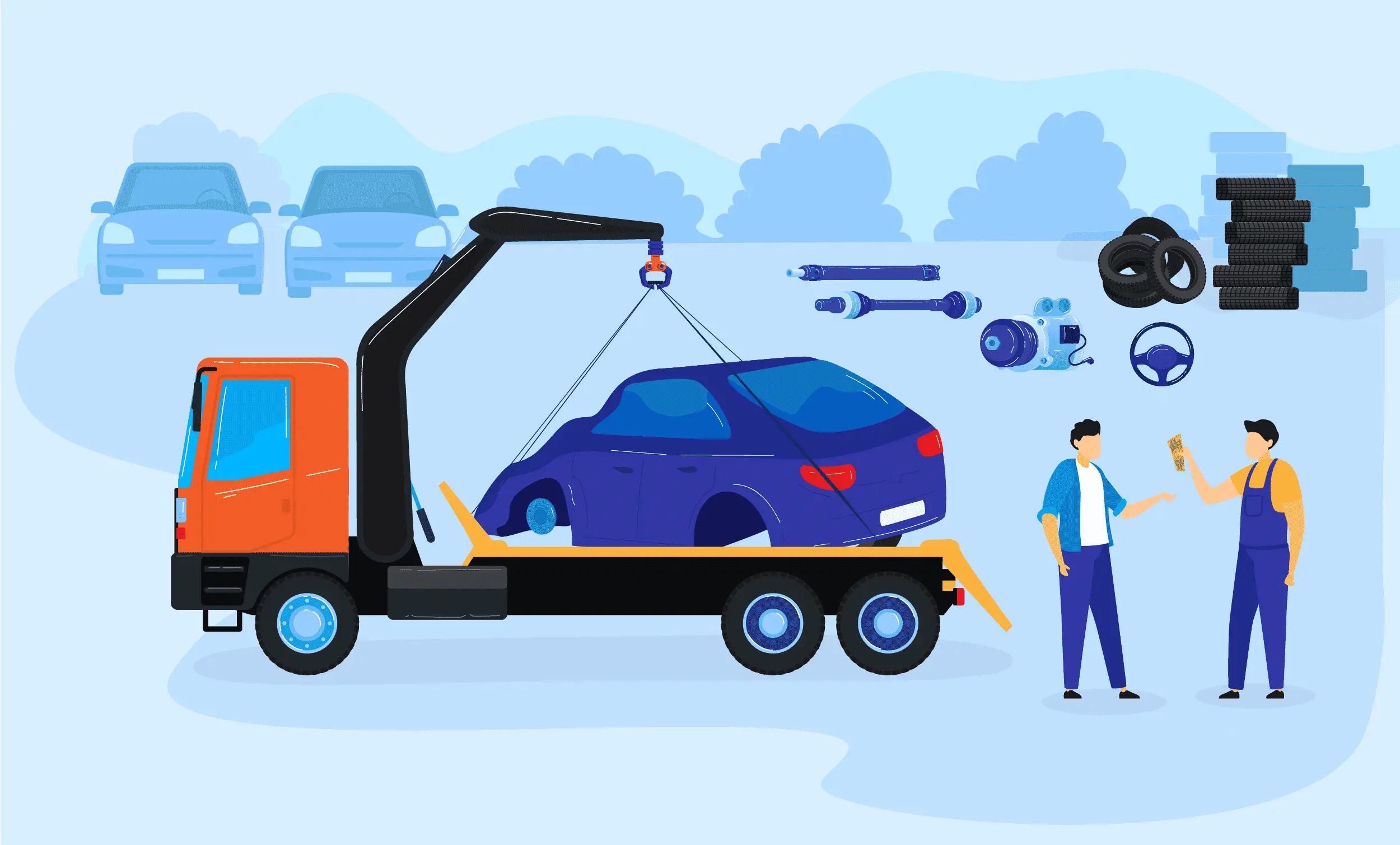
India’s Environment Protection (End-of-Life Vehicles) Rules, 2025 mark a major shift in how the country deals with old and unfit vehicles. Instead of letting ageing cars, bikes, and commercial vehicles pollute roadsides or end up in informal scrapyards, the new rules push India toward a structured, resource-efficient future.
These guidelines do much more than dictate how vehicles should be scrapped. They form a blueprint for transforming dead vehicles into reusable materials that can re-enter the economy. By clearly defining roles for manufacturers, introducing transparent dismantling practices, and setting standards for material recovery, the 2025 rules aim to make recycling a central pillar of India’s circular economy.
What the 2025 Rules Bring to the Table
The 2025 framework introduces several reforms that completely change how the end-of-life vehicle process works:
Extended Producer Responsibility (EPR) :
For the first time, manufacturers are responsible for ensuring that old vehicles are collected, dismantled properly, and recycled in an environmentally sound way.
Documented, traceable vehicle disposal :
Owners, recyclers, and producers must follow a record-based system for de-registration, transfer, dismantling, and recycling.
Safe handling of hazardous materials :
Engine oil, brake fluid, batteries, airbags, AC gases, and other harmful components must be removed carefully and processed scientifically.
Material recovery targets :
The aim is to recover high-value material—steel, aluminium, copper, plastics, and rare minerals—so they can be reintroduced into manufacturing.
In simple words:
India wants to turn old vehicles into new resources.
How the 2025 Rules Boost India’s Circular Economy
1. Valuable Materials Are Recovered Instead of Dumped
Cars and two-wheelers contain a surprising amount of reusable materials:
- Steel
- Aluminium
- Copper
- Rubber
- Plastics
- Glass
- Lithium and rare minerals (from EV batteries)
Recovering these materials reduces India’s dependence on imported ores and cuts down the energy-heavy process of mining virgin resources. With EV usage increasing, the need for lithium and cobalt recovery is more important than ever.
This is exactly how a circular economy works — old materials come back into the production cycle instead of ending up as waste.
2. From Informal Scrapyards to Organized Recycling Networks
For decades, vehicle scrapping in India happened in informal neighbourhood yards with no tools, safety equipment, or environmental controls. The 2025 rules change that completely by creating:
- A steady supply of end-of-life vehicles
- A documented process for their dismantling
- A professional network of authorized recyclers
With predictable material flow, recycling companies are now able to invest in advanced machines: shredders, magnetic separators, and battery recycling lines. This creates a stable loop where waste becomes reliable raw material for industries.
3. Cleaner Cities and Less Pollution
Old and unfit vehicles contribute heavily to India’s pollution crisis. Vehicles that fail PUC tests, emit thick smoke, or leak oil often stay on roads far longer than they should. Under the new framework, these vehicles are systematically identified, de-registered, and sent for scientific dismantling.
This directly improves:
- Urban air quality
- Road safety
- Noise reduction
- Fuel efficiency across the vehicle population
Removing high-emission vehicles is one of the fastest ways to improve city air.
4. More Jobs and Skill Development
Formal recycling facilities don’t just recycle metal — they create employment across:
- Logistics and towing
- De-pollution
- Dismantling
- Battery handling
- Material sorting
- Environmental compliance
Workers who were previously in unsafe informal scrap operations now have the opportunity to transition into safer, well-paid roles through structured training programs.
This shift strengthens the circular economy at the human level too.
5. Growth of Remanufacturing and Refurbishment Markets
Recovered materials create opportunities in multiple industries:
- Rebuilt engines and gearboxes
- Reconditioned EV batteries
- Second-hand parts marketplaces
- Refurbished steel and aluminium
- Upcycled plastic components
Producing remanufactured parts uses significantly less energy than manufacturing new ones, and this extends the life cycle of materials dramatically.
What Vehicle Owners Should Know in 2026
Check your eligibility
Many state governments offer benefits such as:
- Scrap value
- Discounts on new vehicles
- Lower registration fees
- Reduced road tax
Owners should verify benefits available in their state.
Use registered facilitators
Working with a legally registered company like CarBasket ensures:
- Correct documentation
- Pickup support
- Transparent weighing
- Safe transfer to authorized recyclers
Avoid informal roadside scrap buyers who offer no paperwork and create legal risks.
Special care for EVs and hybrids
Electric vehicles contain high-value batteries that must be handled by certified recycling units. Lithium-ion packs require specialized dismantling to safely recover lithium, cobalt, and nickel.
Challenges That Still Need Attention
Even with the 2025 rules in place, India still needs to strengthen several areas:
- More recycling infrastructure
Many regions still lack advanced metal recovery and battery treatment centers.
Complete tracking from vehicle de-registration to final recycling needs improvement.
- Greater manufacturer participation
Producers must actively build take-back systems to meet EPR obligations.
Progress to Watch in 2025–2026
- Several states have started scrapping aging government fleets, generating steady recycling volumes.
- Policy incentives for critical mineral recovery are encouraging companies to invest in EV battery recycling plants.
- Cities are tightening enforcement on unfit vehicles to accelerate formal scrapping.
These developments signal that India is moving toward a robust circular economy.
Why This Matters for India’s Future
A mature vehicle recycling ecosystem benefits the country in multiple ways:
- Cuts dependency on imported metal and minerals
- Reduces carbon emissions
- Lowers the manufacturing footprint
- Saves energy
- Creates local employment
- Prevents environmental hazards
- Supports Make in India manufacturing
Every old vehicle scrapped is a resource recovered rather than a resource wasted.
If you own an old, unused, or high-maintenance vehicle, don’t let it rust away or pollute your surroundings.
Convert it into value.
CarBasket helps vehicle owners with:
✔ Free pickup
✔ Transparent pricing
✔ Complete documentation
✔ Safe transfer to authorized recyclers
Make the responsible choice — recycle your old vehicle and support India’s circular economy.