The Business Potential of Vehicle Recycling Services at Carbasket
Old vehicles don’t just “retire.” If they’re left to rust in backyards, sold to informal scrap dealers, or dismantled without safety controls, they can become a source of pollution, oil leakage, unsafe parts resale, and material wastage. Vehicle recycling is the smarter alternative: a structured process that safely dismantles end-of-life vehicles (ELVs), recovers reusable materials, and ensures hazardous fluids and components are handled responsibly.
In simple terms: vehicle recycling turns an old, unusable vehicle into valuable resources again—legally, safely, and sustainably.
What is vehicle recycling?
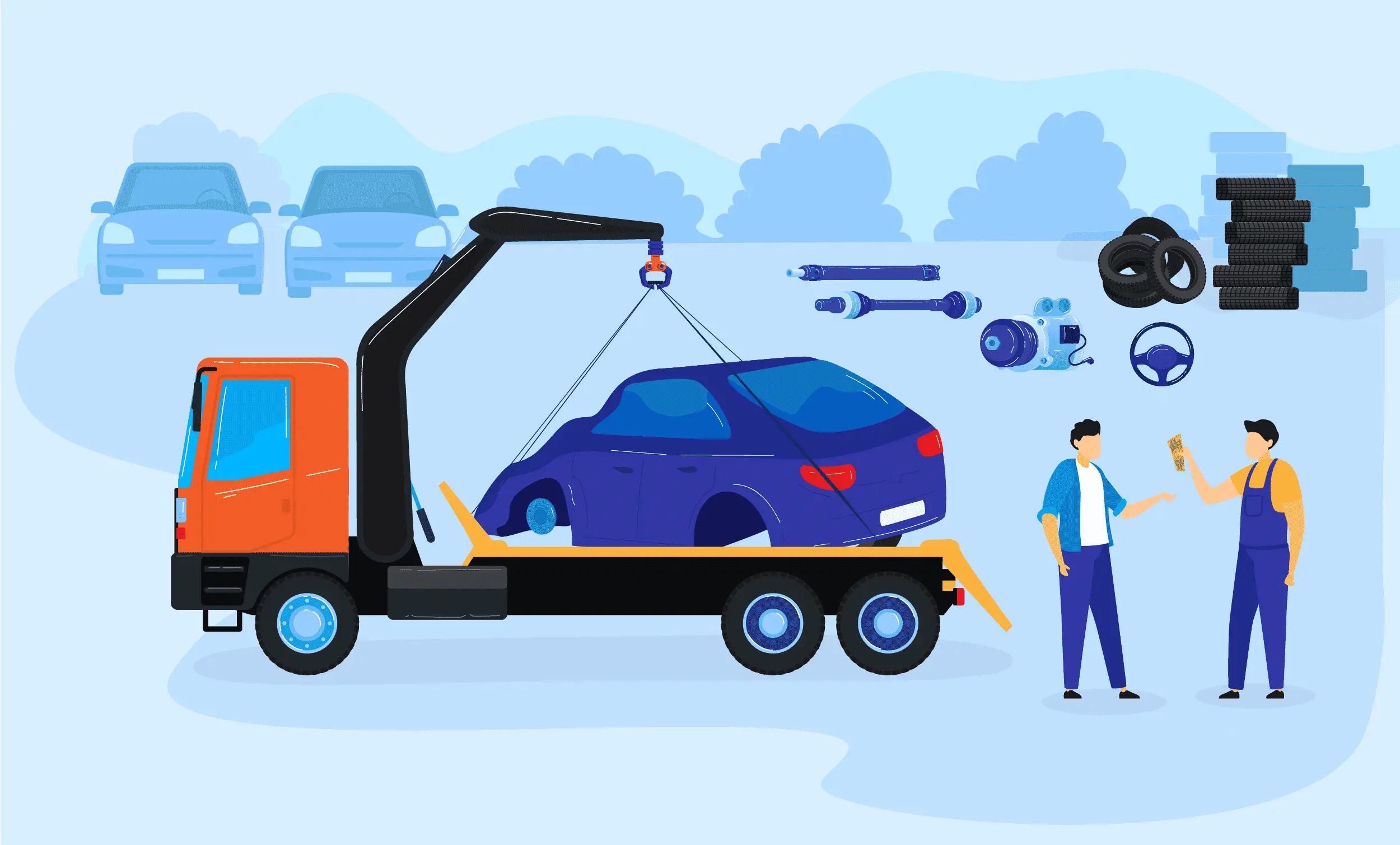
Vehicle recycling is the organised collection, depollution, dismantling, shredding, and material recovery of end-of-life vehicles-cars, bikes, trucks, buses, and commercial fleets-so that:
- Reusable components (where allowed) can be recovered responsibly
- Recyclable materials like steel, aluminium, copper, and plastics return to the supply chain
- Hazardous waste (engine oil, coolant, brake fluid, batteries, AC gas, etc.) is managed safely
- The vehicle can be de-registered / scrapped with proper documentation (process may vary by case)
Think of it as a “reverse manufacturing line”—instead of building a vehicle, we carefully break it down and recover maximum value with minimum environmental harm.
How vehicle recycling works (step-by-step)
A professional vehicle recycling flow typically includes:
1) Vehicle assessment & intake
- Basic vehicle details are verified (type, condition, missing parts, location)
- A fair quote is shared based on weight, condition, and recoverable value
2) Depollution (most important safety step)
Before dismantling, recyclers remove and store:
- Engine oil, transmission fluid, coolant, brake fluid
- Fuel remnants
- Battery and electrical components
- Tyres and hazardous parts
- AC refrigerants (where applicable)
This step prevents leaks into soil/water and reduces fire risk.
3) Dismantling & segregation
- Parts and subassemblies are removed systematically
- Materials are segregated (metal, plastics, glass, rubber, wiring, etc.)
4) Material recovery & recycling
- Metals are sent to authorised recyclers/smelters
- Plastics and rubber are processed based on grade and feasibility
- Glass is separated and handled appropriately
5) Documentation support
A key value of organised recyclers like Carbasket is guiding customers through documentation steps associated with scrapping and responsible disposal.
Why is vehicle recycling important?
1) Reduces pollution from unsafe dismantling
Unregulated dismantling can lead to oil, coolant, and battery acid leakage-polluting land and groundwater. Professional recycling includes depollution and proper handling.
2) Supports cleaner air goals
Old, poorly maintained vehicles are often high emitters. When end-of-life vehicles are removed and recycled responsibly, cities can reduce emissions load and move toward cleaner mobility.
3) Saves raw materials (circular economy)
Vehicles contain a lot of recoverable metal. Recycling reduces dependence on virgin mining and lowers the energy footprint of producing new materials-especially steel and aluminium.
4) Improves road safety and parts integrity
In informal markets, unsafe re-use of critical parts can become a safety risk. Organised recycling improves traceability and discourages unsafe circulation of end-of-life components.
5) Creates jobs and formalisation
Authorised recycling facilities create structured employment: inspection, depollution technicians, dismantling operators, logistics teams, documentation support, material recovery specialists.
What materials are recovered from a vehicle?
A typical vehicle has high recyclable potential, especially in metals:
- Ferrous metals (steel/iron): the largest share by weight
- Non-ferrous metals (aluminium, copper, brass): high value
- Plastics & polymers: recyclable depending on grade/condition
- Glass: separable and recyclable in many cases
- Rubber (tyres): can be processed for reuse/repurposing routes
- Batteries: require careful, compliant handling
This is why vehicle recycling is both environmentally necessary and commercially attractive.
The business potential of vehicle recycling services at Carbasket
Vehicle recycling is no longer “just scrap.” It sits at the intersection of:
- sustainability + compliance
- logistics + documentation
- material recovery + resale markets
- fleet management + responsible disposal
That combination creates multiple revenue streams and strong long-term demand.
1) Massive and recurring supply (consistent pipeline)
Every year, more vehicles age out due to:
- high maintenance costs
- fitness/roadworthiness issues
- accident total loss
- upgrades to newer models
- fleet replacement cycles
This creates a continuous, predictable supply of vehicles that need disposal.
2) High-value recovery from commercial vehicles
Trucks, buses, and fleet vehicles often offer:
- higher metal weight
- better recovery volume
- regular replacement cycles (fleet operators don’t keep vehicles forever)
Carbasket can build dedicated B2B offerings for:
- logistics fleets
- construction vehicle owners
- bus operators
- corporate fleet managers
- government/PSU disposals (as applicable)
3) Strong unit economics when operations are optimised
A professionally run recycler improves profitability through:
- accurate inspection and quoting
- standard depollution SOPs (reducing damage/loss)
- efficient dismantling workflow
- better material segregation (higher resale value)
- reverse logistics planning
Carbasket’s advantage grows with scale: more vehicles processed → better efficiency → better margins.
4) Multiple revenue channels (not just one)
A mature recycling business earns from:
- service fees (pickup, processing, documentation support)
- material sales (ferrous + non-ferrous)
- recyclable streams (plastic/rubber/glass where feasible)
- partnerships with downstream recyclers
- B2B contracts with fleets and institutions
5) Brand trust wins in a market full of confusion
Vehicle owners care about:
- fair pricing
- transparent process
- proper paperwork
- safe disposal (no misuse of vehicle later)
Carbasket’s positioning- authorised, transparent, customer-first-is a strong differentiator versus informal scrap markets.
6) ESG and sustainability demand is rising
More businesses are tracking sustainability metrics:
- waste diversion
- recycling rates
- responsible disposal documentation
Carbasket can offer recycling proof / certificates / reports (as applicable) to help businesses meet ESG reporting expectations—an increasingly valuable service.
How Carbasket can package services (high-conversion offers)
To grow faster, bundle into clear plans:
✅ Individual owners (B2C)
- Doorstep pickup
- Instant quote after images/inspection
- Scrapping & documentation guidance
- Status updates (pickup → dismantling → completion)
✅ Fleet & enterprise (B2B)
- Rate contracts for regular disposals
- Centralised billing & reporting
- Dedicated relationship manager
- Scheduled pickups (daily/weekly/monthly)
- Recycling summary reports (for ESG/internal compliance)
Why customers choose Carbasket (USP angle)
- Safe dismantling with systematic depollution
- Eco-friendly recycling with material recovery focus
- Transparent pricing (declare missing parts = fair quote)
- Convenient pickup and guided process
- Trust and accountability vs informal scrap channels
FAQs
1) What is vehicle recycling in simple words?
Vehicle recycling is the safe process of dismantling an old vehicle and recovering materials like metal, plastic, and glass for reuse—while responsibly handling oils, batteries, and other hazardous parts.
2) Why is recycling old vehicles important?
It reduces pollution, prevents hazardous fluid leaks, saves raw materials, supports a circular economy, and helps remove high-emission, unsafe vehicles from roads.
3) What parts of a vehicle can be recycled?
Most vehicles contain recyclable metals (steel, aluminium, copper), along with plastics, rubber, glass, and batteries—depending on condition and downstream recycling capability.
4) Is vehicle recycling different from just selling to scrap?
Yes. Professional recycling includes depollution, safe dismantling, material segregation, and documentation support—whereas informal scrapping may skip safety and compliance steps.
5) Do missing parts affect the scrap value?
Usually, yes. Missing major parts can reduce recoverable value. Declaring missing parts upfront helps ensure fair pricing.
6) Can trucks and commercial vehicles be recycled?
Absolutely. In fact, commercial vehicles often have strong recycling value due to higher metal content and structured fleet replacement cycles.
7) What documents are typically required for scrapping?
Requirements can vary by case and location, but usually include identity proof and vehicle ownership/registration details. Carbasket can guide you based on your situation.
8) How does Carbasket ensure eco-friendly recycling?
By following structured depollution and dismantling steps, segregating materials, and routing recyclables to appropriate downstream recycling partners.
9) How do I get a quote from Carbasket?
Share your vehicle details, location, and images (especially if parts are missing). Carbasket can provide an estimated quote and confirm after inspection.
10) Is vehicle recycling profitable as a business?
Yes-because it combines steady supply, valuable material recovery, strong B2B demand, and increasing sustainability compliance needs.