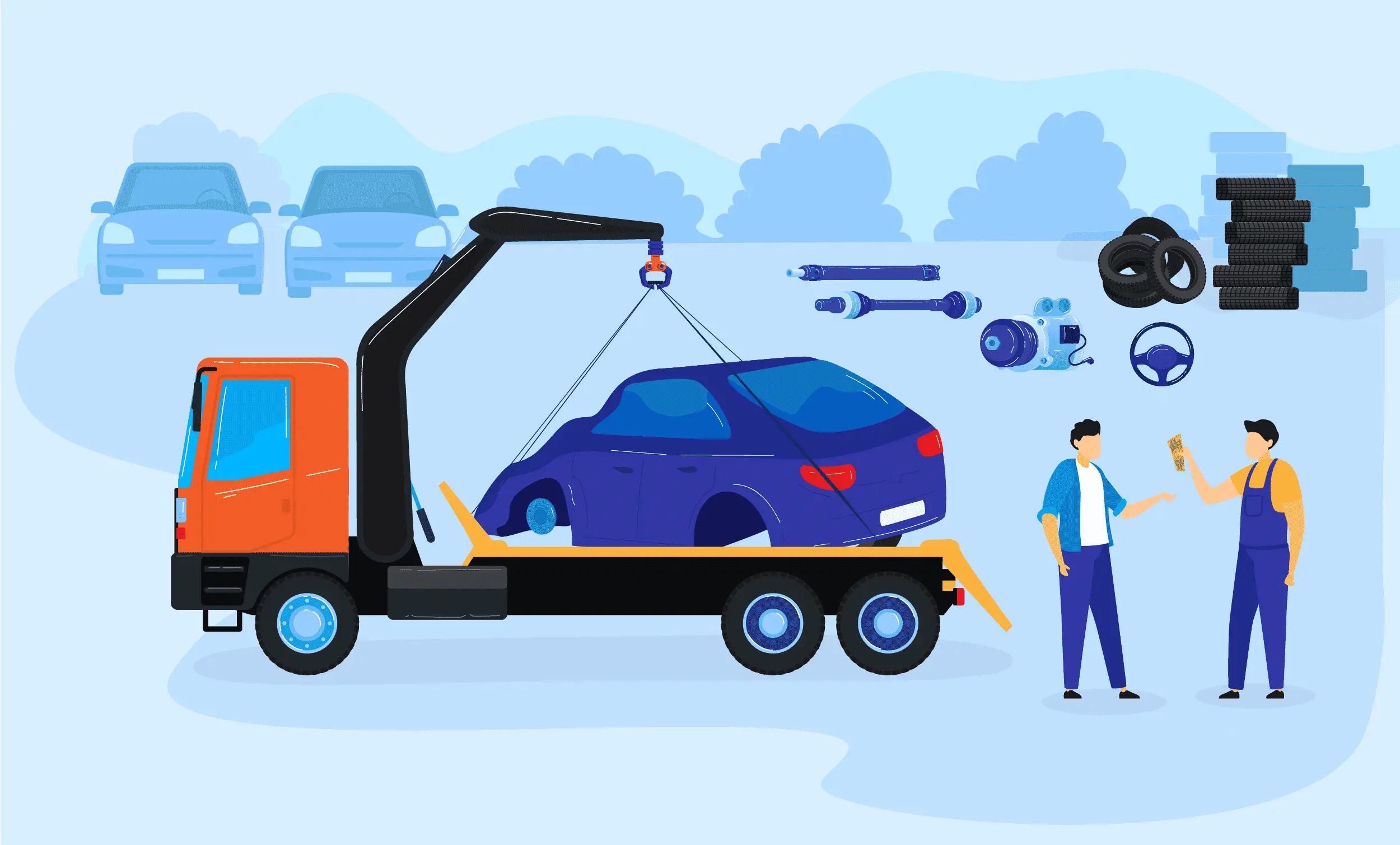
Owning a vehicle in India comes with responsibilities that go far beyond buying and driving it. From registration to compliance checks, renewing documents, transferring ownership, and finally scrapping an old or unfit vehicle — every stage matters.
With the Government of India pushing for safer roads, cleaner air, and modern transport infrastructure, knowing how to properly retire your old vehicle is now more important than ever.
This guide explains everything — how vehicle registration works, when you should scrap your old car or bike, government norms, benefits, and how to scrap safely with certified facilities.
1. Understanding Vehicle Registration in India
Vehicle registration is mandatory under the Motor Vehicles Act, 1988. When you buy a new vehicle, you must register it with the RTO before using it on public roads.
1.1 Why Registration is Important
- Legal proof that the vehicle belongs to you
- Mandatory for insurance claims
- Required during resale
- Helps track vehicles during theft or violation
- Confirms your vehicle meets safety & emission standards
2. Types of Vehicle Registrations
2.1 Temporary Registration (TR/R-Temp)
Issued by dealers, usually valid for 30 days. The permanent number must be obtained within this period.
2.2 Permanent Registration (RC)
Issued by the RTO with your permanent vehicle number. It is valid for:
- 15 years for private vehicles, extendable every 5 years
- 5 years for commercial vehicles, then renewed annually
2.3 BH-Series Registration
A new Bharat Series number for people who frequently move between states.
Benefits include:
- No need to re-register
- Road tax paid in 2-year blocks
- Seamless interstate movement
3. When Should You Scrap Your Vehicle?
The government has issued strict guidelines for old and polluting vehicles.
3.1 Age Limit Rules
- 15+ year-old petrol cars and 10+ year-old diesel cars are banned in Delhi-NCR
- Many states are moving toward similar rules
- Fitness failure leads to cancellation of RC
- High pollution or unsafe vehicles must be scrapped
3.2 Other Signs You Should Scrap
- Engine damage beyond repair
- Burnt/accident vehicles
- Escalating maintenance costs
- Poor mileage & emissions
- Chassis rusting or structural weakness
4. Benefits of Scrapping Your Old Vehicle
4.1 Government Incentives
- Scrap value up to 4–6% of vehicle’s cost
- Up to 25% road tax concession on new vehicle purchase
- 5% discount from manufacturers
- Waiver on registration fees for new vehicle
4.2 Environmental Benefits
- Reduced pollution
- Lesser fuel consumption
- Proper recycling of scrap metal
4.3 Financial Benefits
- No maintenance burden
- Better resale deals on new vehicle
- Insurance savings
5. Vehicle Scrapping Process in India
Scrapping must be done ONLY at an Authorized Vehicle Scrapping Facility (AVSF).
Here is the step-by-step process:
5.1 Document Submission
You must submit:
- RC
- Aadhar/PAN
- Owner’s photograph
- Bank details
- Consent form for scrapping
- Insurance copy (optional)
5.2 Vehicle Inspection
The scrapping facility inspects:
- Chassis number
- Engine number
- Vehicle condition
- Ownership records
5.3 Deregistration at RTO
Once scrapped:
- Scrapping center uploads details to the RTO
- RTO cancels the RC
- Certificate of Vehicle Scrapping (CVS) is issued
This CVS is needed to claim tax rebates and discounts on your new vehicle.
6. Why Scrapping with Carbasket is Safe
Carbasket is a trusted platform offering:
- Government-approved scrapping
- Free pickup from your location
- Transparent pricing
- Instant documentation support
- Doorstep assistance
- TCS refund guidance
- Secure certificate of scrappage
Whether your vehicle is old, accident-damaged, fire-burnt, or non-running, Carbasket ensures safe disposal.
Frequently Asked Questions (FAQs)
1. Is scrapping mandatory after 15 years?
Yes, many states enforce mandatory scrapping or re-testing. In Delhi-NCR, petrol vehicles above 15 years and diesel vehicles above 10 years must be scrapped.
2. Can I keep my old vehicle number?
Yes, RTO allows retention of your favourite number during scrapping for a fee.
3. What documents are needed for scrapping?
- RC
- ID proof
- Owner’s photo
- Form 2 / scrapping consent
- Insurance copy (optional)
4. What is the benefit of the scrapping certificate?
You get:
- Road tax rebate
- Manufacturer discount
- Registration fee waiver
5. Can I scrap a car that met with an accident?
Yes, accident-damaged or fire-burnt cars can be legally scrapped.
6. How long does scrapping take?
Typically 2–4 days, including pickup and RTO deregistration.
7. Do I get paid for scrapping my vehicle?
Yes, the scrapping yard gives you value based on:
- Weight
- Condition
- Market scrap rate
8. Can I scrap without an RC?
Yes, but you must submit an FIR for lost RC plus ID proofs.
9. Is scrapping better than selling an old car?
Yes — scrapping gives:
- Certified disposal
- Pollution-free recycling
- Government benefits
- Zero legal risk if vehicle is misused
10. How do I contact Carbasket for scrapping?
You can call, submit the form on their website, or request a pickup directly.