Every day, millions of people drive on Indian roads, yet very few stop to think about why highway signboards are green. Have you ever wondered why highways don't use red, yellow or blue signs instead?
The answer lies in international traffic engineering standards, human psychology, visibility, driver safety and road design.
Understanding road sign colours is important because these colours communicate information instantly without requiring drivers to read long messages. A quick glance at a green signboard tells drivers they are approaching a highway destination, while a red sign instantly warns of danger or prohibition.
In this guide, you'll learn:
- Why highways use green signboards
- Meaning of every road sign colour in India
- National Highway vs Expressway
- Highway driving rules
- Expressway driving rules
- Speed limits
- Safety tips
- Why old vehicles should be responsibly scrapped after reaching End-of-Life
- How Carbasket supports sustainable vehicle recycling
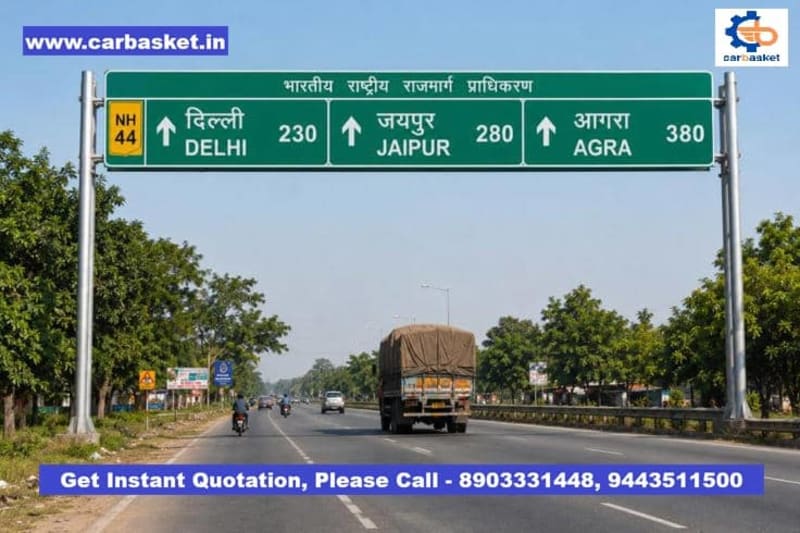
Why Are Highway Signboards Green?
Green is internationally recognized as the colour for direction and guidance.
Unlike warning colours, green creates a calming effect on drivers, especially during long-distance travel.
Green signs provide information such as:
- Cities
- Distances
- Highway exits
- Junctions
- Route numbers
- Rest areas
- Toll plazas
- Airports
- Tourist destinations
Since highways involve continuous driving at high speeds, drivers need information that is easy to notice without causing distraction.
Green offers the best balance between:
- High visibility
- Low eye strain
- Night-time readability
- Reflective performance
- Calm psychological impact
Why Not Red?
Red is reserved for situations requiring immediate attention.
Examples include:
- STOP
- No Entry
- Wrong Way
- Speed restrictions
- Dangerous conditions
- Prohibited movements
If highway direction boards were red, drivers would constantly feel urgency and confusion.
Why Not Yellow?
Yellow indicates caution.
It warns drivers about:
- Sharp curves
- School zones
- Slippery roads
- Road work
- Speed breakers
- Narrow bridges
- Animal crossings
Using yellow for destination signs would reduce its effectiveness as a warning colour.
Why Not Blue?
Blue is mainly used for services and facilities.
Examples include:
- Hospitals
- Fuel stations
- Parking
- Hotels
- Toilets
- Police assistance
- Food courts
- Emergency services
Blue helps drivers identify useful facilities rather than navigation routes.
Why Green Is the Best Choice for Highways
Green offers several scientific and practical advantages:
Better Visibility
Green is clearly visible during:
- Bright sunlight
- Rain
- Fog
- Night driving
- Long-distance viewing
Reduced Driver Fatigue
Long highway journeys can last several hours.
Green is easier on the eyes than red or yellow, reducing visual fatigue.
Excellent Reflectivity
Modern highway signs use retro-reflective materials that make green signs highly visible when illuminated by vehicle headlights at night.
International Standard
Many countries use green for highway guidance, ensuring consistency for both domestic and international drivers.
What Is a National Highway?
A National Highway (NH) is a major road network that connects states, cities, industrial hubs, ports, airports, and important economic corridors across India.
National Highways are developed and maintained primarily by the National Highways Authority of India and other government agencies, depending on the route.
Features
- Connect major cities
- Carry interstate traffic
- Mix of passenger and commercial vehicles
- Signal-free in some stretches
- May include towns and junctions
- Multiple entry and exit points
What Is an Expressway?
An Expressway is a high-speed, controlled-access road built for uninterrupted travel.
Unlike highways, vehicles cannot enter from every village or town.
Entry and exit happen only through designated interchanges.
Features
- Fully access-controlled
- Higher speed limits
- Grade-separated interchanges
- No traffic signals
- No direct village access
- Safer traffic flow
- Better lane discipline
Highway Driving Rules
Follow these rules while driving on National Highways:
Wear Seat Belts
Seat belts are mandatory for all applicable occupants.
Stay in Your Lane
Avoid unnecessary lane changes.
Follow Speed Limits
Observe posted speed limits based on the road and vehicle type.
Use Indicators
Signal before changing lanes or turning.
Keep Safe Distance
Maintain adequate braking distance from the vehicle ahead.
Avoid Mobile Phone Use
Never use a handheld mobile phone while driving.
Watch for Local Traffic
Highways may pass through towns, intersections and populated areas.
Expressway Driving Rules
Driving on an expressway requires additional discipline.
Use Entry and Exit Ramps Only
Never stop or reverse on the carriageway.
Maintain Lane Discipline
Overtake only when safe and return to the appropriate lane after passing.
Avoid Sudden Braking
Keep a consistent speed and maintain safe following distances.
Do Not Stop Unnecessarily
Use designated emergency bays or service areas if required.
Observe Vehicle Restrictions
Certain slow-moving vehicles, pedestrians, cyclists and animal-drawn vehicles are generally prohibited on expressways.
Keep Emergency Equipment
Carry a spare tyre, jack, warning triangle and first-aid kit where applicable.
Importance of Reading Road Signs
Ignoring road signs can lead to:
- Road accidents
- Traffic fines
- Wrong exits
- Vehicle damage
- Congestion
- Delays
Road signs improve safety by communicating information quickly and consistently.
How Good Road Signs Reduce Accidents
Properly designed signs help drivers:
- Make timely decisions
- Prepare for exits
- Reduce sudden braking
- Navigate unfamiliar routes
- Maintain smoother traffic flow
- Respond to hazards earlier
What Happens When an Old Vehicle Is No Longer Safe?
Even if roads are well-designed, an aging vehicle with worn brakes, poor tyres, excessive emissions or structural deterioration can pose safety and environmental risks.
When a vehicle reaches the end of its usable life, responsible recycling becomes an important step toward safer roads and cleaner cities.
Carbasket's Role in Responsible Vehicle Scrapping
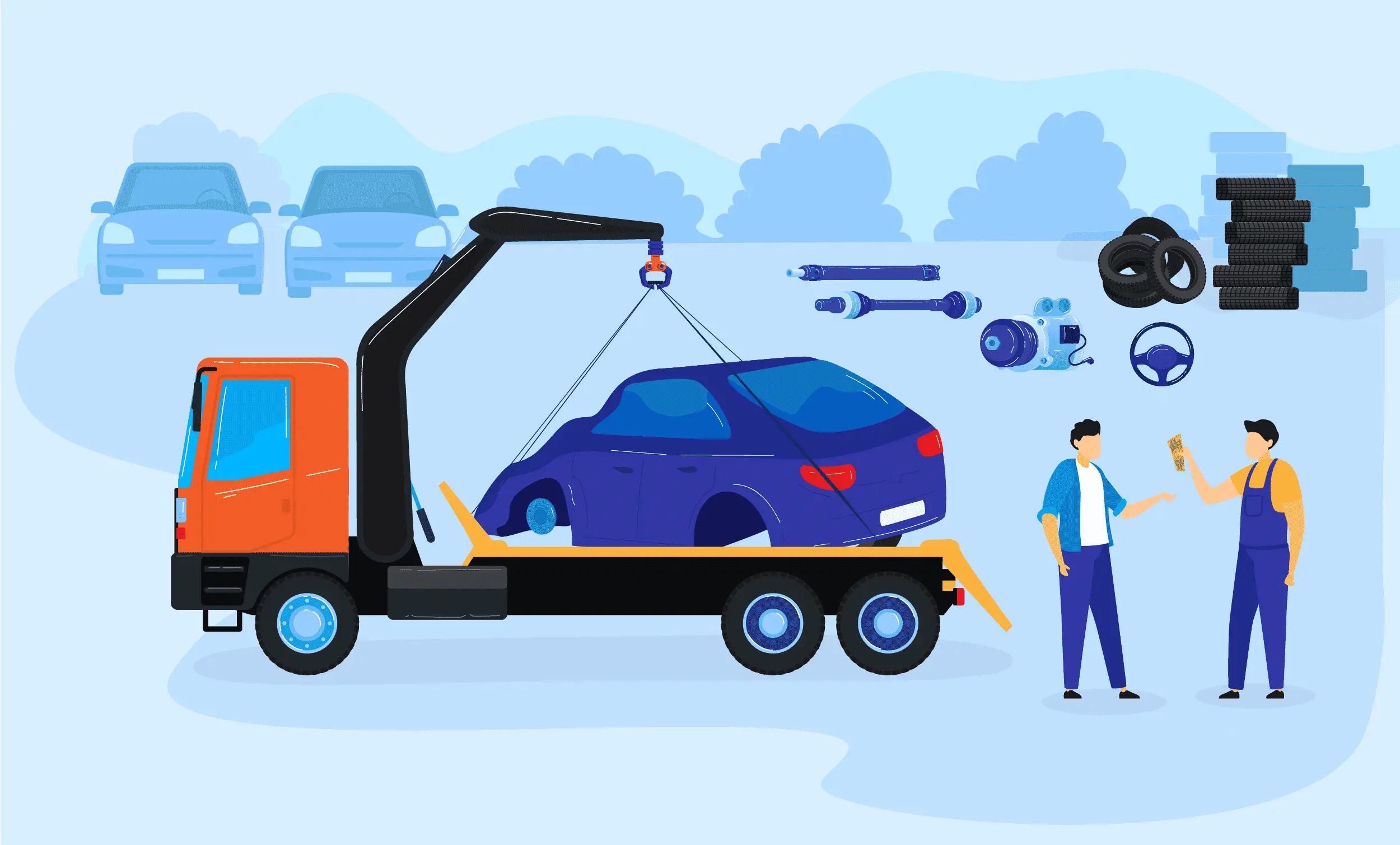
Carbasket helps vehicle owners manage the end-of-life process through organized vehicle scrapping and recycling support.
Carbasket assists with:
- Car scrapping
- Bike scrapping
- Commercial vehicle scrapping
- End-of-Life Vehicle (ELV) recycling
- Collection support in serviceable locations
- Certificate of vehicle scrapping from partnered facilities
- Environmentally responsible recycling practices
- Recovery of reusable materials such as steel, aluminium, copper and plastics
Responsible vehicle recycling helps:
- Reduce pollution
- Recover valuable raw materials
- Reduce landfill waste
- Support India's circular economy
- Improve road safety by retiring unsafe vehicles
Carbasket Helps Scrap Accident-Damaged Vehicles from Roadsides, Highways, Expressways and Other Locations
Road accidents can leave vehicles severely damaged and unsafe to drive. Whether a vehicle has been involved in a minor collision or a major accident, owners often face the challenge of removing it safely and disposing of it in an environmentally responsible manner.
Carbasket assists vehicle owners in arranging the scrapping of accident-damaged, flood-damaged, fire-damaged, insurance total-loss and End-of-Life Vehicles (ELVs) from a wide range of locations, subject to local access and operational feasibility.
Locations Where Carbasket Can Arrange Vehicle Scrapping
Carbasket can help facilitate the collection and recycling of vehicles located at:
- Roadsides after an accident
- National Highways
- Expressways (after the vehicle has been moved to a safe and legally accessible location, if required)
- City roads and streets
- Residential areas
- Apartment parking lots
- Office and commercial premises
- Industrial areas
- Workshops and garages
- Police yards (subject to legal release and documentation)
- Insurance survey locations
- Vehicle impound yards (after obtaining necessary clearances)
- Farmhouses and rural properties
- Open plots and abandoned parking areas
Note: Vehicles on active highways or expressways must first be handled according to local traffic police, highway authority or emergency service instructions. Collection can be arranged only after the vehicle is legally released and accessible.
Types of Accident Vehicles Carbasket Can Help Recycle
Carbasket supports the responsible recycling of various accident-damaged vehicles, including:
- Cars
- SUVs
- Hatchbacks
- Sedans
- Luxury vehicles
- Electric vehicles (EVs)
- Motorcycles
- Scooters
- Auto-rickshaws
- Pickup trucks
- Light Commercial Vehicles (LCVs)
- Heavy Commercial Vehicles (HCVs)
- Buses
- Trucks
- Tractors
- Construction equipment such as JCBs and excavators (subject to service availability)
Why Scrap a Severely Accident-Damaged Vehicle?
A vehicle involved in a serious accident may no longer be safe or economical to repair. Scrapping such vehicles offers several benefits:
- Prevents unsafe vehicles from returning to the road
- Supports environmentally responsible recycling
- Enables recovery of recyclable metals, plastics and other materials
- Frees up valuable parking or storage space
- Helps reduce environmental pollution
- Encourages proper disposal of hazardous automotive components
How Carbasket Supports the Vehicle Scrapping Process
When eligible and feasible, CarBasket assists customers by:
- Coordinating inspection of the damaged vehicle
- Arranging vehicle pickup from the approved location
- Supporting documentation required for scrapping
- Facilitating environmentally responsible dismantling and recycling
- Issuing the applicable scrapping documentation through the recycling process
- Recovering recyclable materials such as steel, aluminium, copper, rubber and plastics in accordance with established recycling practices
What Should You Do After an Accident Before Scrapping Your Vehicle?
If your vehicle has been involved in an accident:
- Ensure everyone's safety and contact emergency services if needed.
- Inform the police where legally required.
- Notify your insurance company.
- Wait for the insurance survey if applicable.
- Remove personal belongings from the vehicle.
- Collect all relevant ownership and insurance documents.
- Obtain any required release or clearance before arranging scrapping.
- Contact CarBasket to explore available vehicle pickup and recycling options.
Why Choose Carbasket for Accident Vehicle Scrapping?
Carbasket provides a convenient way for vehicle owners to responsibly recycle damaged and End-of-Life Vehicles by offering:
- Assistance for accident-damaged vehicles
- Pickup support from multiple eligible locations
- Transparent process guidance
- Environmentally responsible recycling
- Service for cars, bikes and commercial vehicles
- Support across multiple cities in India
- Customer assistance throughout the scrapping process
By choosing responsible vehicle recycling, owners contribute to cleaner roads, improved public safety and India's growing circular economy while ensuring damaged vehicles are disposed of in an environmentally sound manner.
Tips for Safe Highway and Expressway Driving
- Check tyre pressure before travel.
- Inspect brakes and lights.
- Avoid driving when fatigued.
- Follow lane markings.
- Plan fuel stops in advance.
- Do not exceed posted speed limits.
- Keep emergency contact numbers handy.
- Ensure mirrors are properly adjusted.
- Drive cautiously during rain or fog.
- Service your vehicle regularly.
Conclusion
The green colour of highway signboards is not a random design choice—it is based on decades of research into visibility, driver psychology and global traffic engineering practices. Combined with other colour-coded road signs, it helps drivers make quick and safe decisions.
Knowing the difference between National Highways and Expressways, following driving rules and maintaining a roadworthy vehicle all contribute to safer travel. When a vehicle reaches the end of its life, responsible scrapping through a trusted service such as Carbasket supports environmental protection and road safety by ensuring proper recycling and material recovery.
Frequently Asked Questions (FAQs)
Why are highway signboards green?
Green represents direction and guidance. It offers excellent visibility, low eye strain and clear readability for drivers travelling at higher speeds.
What do red road signs mean?
Red indicates prohibition, danger or mandatory instructions such as Stop, No Entry or speed-related restrictions.
Why are warning signs yellow?
Yellow attracts attention without creating panic, making it suitable for cautionary messages like curves, road works and school zones.
What is the difference between a National Highway and an Expressway?
A National Highway connects cities and regions with multiple access points, while an Expressway is a controlled-access road designed for faster, uninterrupted travel.
Are motorcycles allowed on expressways?
Access rules vary depending on the specific expressway and local regulations. Riders should always check the rules applicable to the expressway they intend to use.
Who maintains National Highways in India?
Most National Highways are developed and maintained by the National Highways Authority of India and other designated government agencies.
Why should old vehicles be scrapped responsibly?
Responsible scrapping reduces pollution, recovers recyclable materials, improves road safety and supports sustainable resource use.
How does Carbasket help?
Carbasket supports vehicle owners with organized end-of-life vehicle scrapping services, environmentally responsible recycling and documentation associated with the scrapping process.