The Real Engineering Reasons Behind That “Quick Slow-Down” Feeling
Have you ever noticed that petrol cars seem to slow down almost instantly when you lift off the accelerator or tap the brakes, while diesel cars feel like they keep rolling forward?
You’re not imagining things.
That difference is real, and it comes down to engine design, gearing, torque behavior, and vehicle mass - not just the braking system.
Let’s break it down.
Focus: India | Urban driving | Highway driving | Mixed traffic conditions
1️⃣ Engine Braking: The Biggest Difference
Petrol Engines - Strong Natural Engine Braking
Petrol engines use a throttle plate to control airflow.
When you lift off the accelerator:
- the throttle plate closes,
- airflow into the engine is restricted,
- a vacuum is created inside the intake,
- the engine resists rotation.
👉 This resistance directly slows the wheels, creating strong engine braking.
That’s why petrol cars feel like they “dig in” and slow down the moment you lift off.
Diesel Engines - Minimal Engine Braking
Diesel engines:
- do not use a traditional throttle plate,
- control power by fuel injection, not air restriction.
When you lift off:
- air continues to flow freely,
- very little vacuum is created,
- the engine offers far less resistance.
👉 Result: the car keeps rolling, even without throttle.
2️⃣ RPM Behaviour: How Fast the Engine Lets Go
Petrol Engines
- Rev higher (often 6,000–7,000 rpm)
- RPM drops very quickly when you lift off
- Downshifts cause sharp RPM spikes, then rapid drop
This fast RPM fall adds to the sudden deceleration feeling.
Diesel Engines
- Operate at lower RPM (usually under 4,500 rpm)
- Designed to hold revs longer
- RPM drops slowly and smoothly
This makes diesel cars feel:
- calmer,
- more relaxed,
- less “snappy” when slowing down.
3️⃣ Vehicle Weight: Momentum Matters
Diesel engines are built stronger to handle:
- high compression ratios,
- heavy-duty torque loads.
This means:
- thicker engine blocks,
- heavier internal components,
- overall higher vehicle weight.
👉 More weight = more momentum
👉 More momentum = more distance needed to slow down
Even with the same brakes, a heavier diesel car naturally takes longer to decelerate.
4️⃣ Gear Ratios: Short vs Long Gearing
Petrol Cars
- Shorter gear ratios
- Engine speed rises and falls quickly
- Off-throttle resistance is higher
This amplifies engine braking, especially in:
- city traffic,
- downhill driving,
- frequent gear changes.
Diesel Cars
- Longer gear ratios
- Designed to maximize torque and fuel efficiency
- Engine turns fewer times per wheel rotation
Result:
- less engine braking,
- smoother coasting,
- better highway cruising.
5️⃣ Torque Characteristics: Why Diesels Keep Moving
Diesel Torque
- Strong low-end torque
- Engine continues pulling even at low RPM
- Vehicle resists slowing down naturally
That torque helps diesels:
- climb hills easily,
- carry heavy loads,
- maintain speed effortlessly.
Petrol Torque
- Torque builds at higher RPM
- Drops off quickly when RPM falls
- Less “push” when you lift off
So petrol cars lose momentum faster.
6️⃣ Do Petrol Cars Have Better Brakes? ❌
No.
Modern petrol and diesel cars:
- use similar disc/drum brake systems,
- have comparable stopping power.
The difference you feel before touching the brake pedal is:
- engine braking,
- vehicle mass,
- gearing,
- torque behavior.
The brakes only finish the job.
7️⃣ Why This Matters in Real-World Driving
Petrol Cars Feel:
- sharper in traffic,
- easier to control in stop-and-go driving,
- more responsive on lift-off.
Diesel Cars Feel:
- smoother on highways,
- better for long-distance cruising,
- more relaxed but “rolling” in traffic.
Neither is better - they’re built for different driving styles.
8️⃣ Ageing Engines & End-of-Life Vehicles (ELV Angle)
As petrol and diesel vehicles age:
- engine braking characteristics change,
- compression drops,
- braking distances increase,
- drivetrain response becomes unpredictable.
Older diesel cars in particular may:
- coast excessively,
- feel heavy and unresponsive,
- struggle in city traffic.
At this stage, owners often face:
- rising maintenance costs,
- reduced safety margins,
- compliance and pollution issues.
9️⃣ Where Carbasket Comes In ♻️
When a vehicle becomes:
- old,
- unreliable,
- unsafe in modern traffic,
- inefficient or non-compliant,
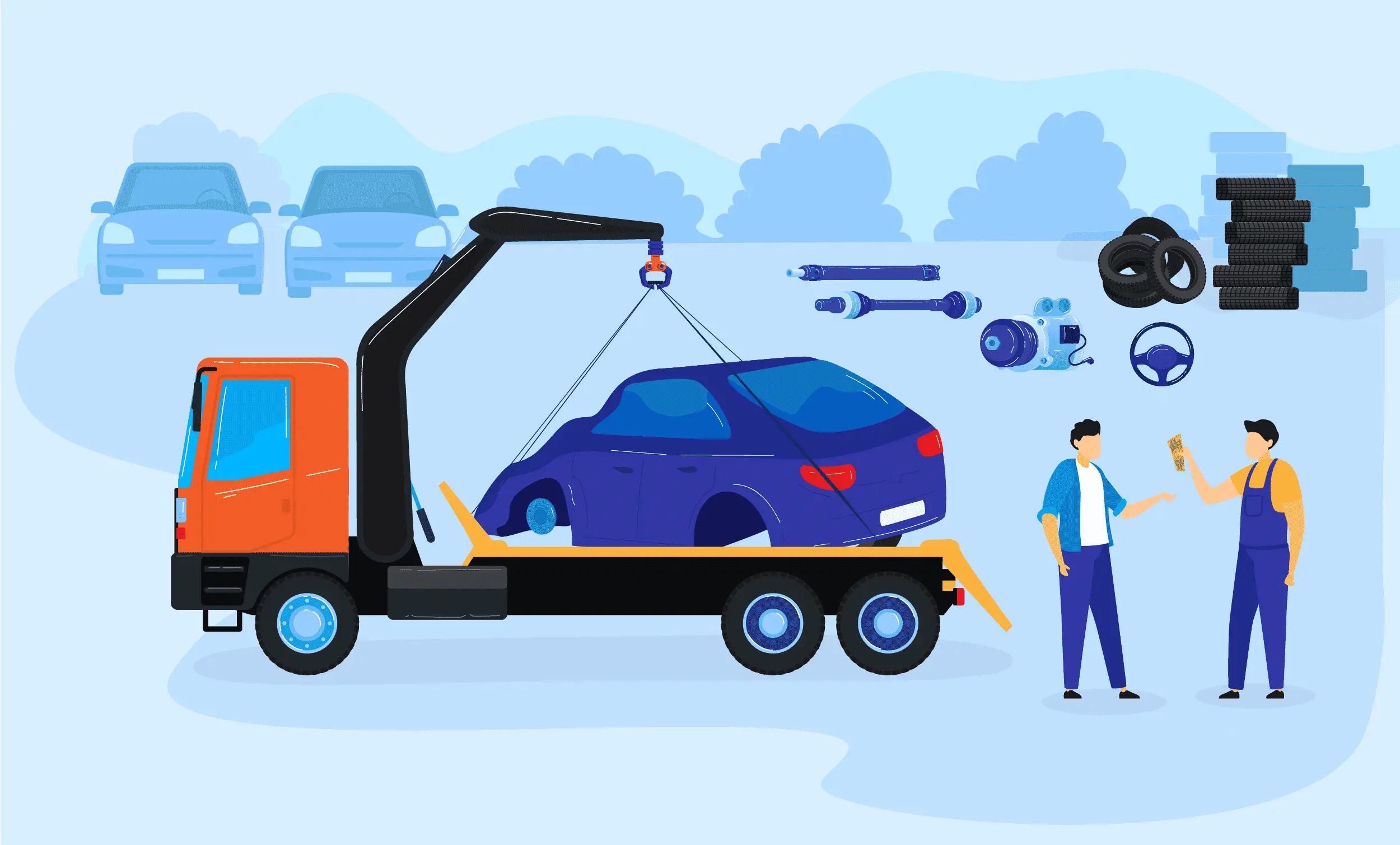
Carbasket provides a legal, responsible exit.
Carbasket helps with:
- end-of-life petrol & diesel vehicles,
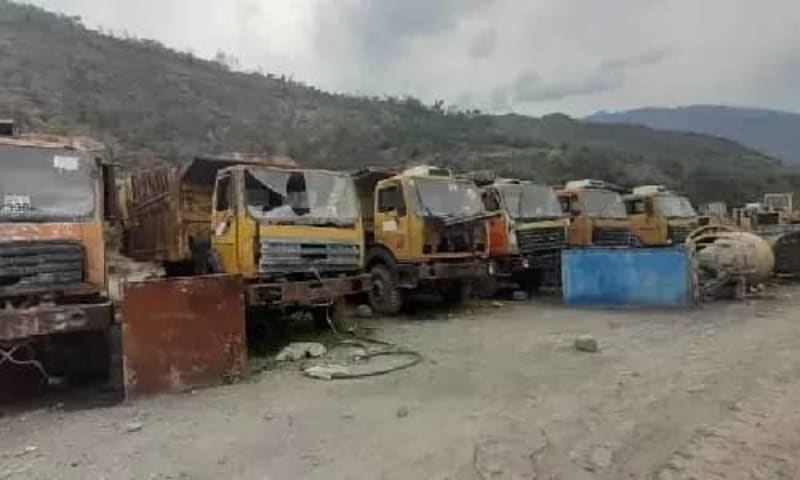
- non-running or junk cars,
- ELVs occupying garage space,
- compliance-first vehicle scrapping.
A vehicle that no longer behaves safely on the road
should not stay on the road.
10️⃣ FAQs
Q1. Why do petrol cars slow down faster than diesel cars?
Because petrol engines create stronger engine braking due to airflow restriction.
Q2. Do diesel cars have weaker brakes?
No. The braking systems are similar; the difference is engine behavior.
Q3. Is engine braking good or bad?
It’s beneficial—it reduces brake wear and improves control.
Q4. Why do diesel cars feel like they keep rolling?
Low engine braking, higher torque, heavier weight, and longer gears.
Q5. Do old diesel cars become unsafe?
Ageing engines, weight, and reduced responsiveness can increase risk.
Q6. What should I do with an old petrol or diesel car?
If repairs outweigh value or safety, legal scrappage is the best option.
Final Takeaway
Petrol cars feel like they brake faster because the engine itself helps slow the car down.
Diesel cars feel smoother and rolling because they’re designed to keep moving efficiently.
Different engineering. Different purpose.
But when age, wear, and inefficiency take over -
it’s time to let the vehicle retire responsibly.
👉 Drive smart. Maintain wisely.
When the journey ends, scrap responsibly with Carbasket.