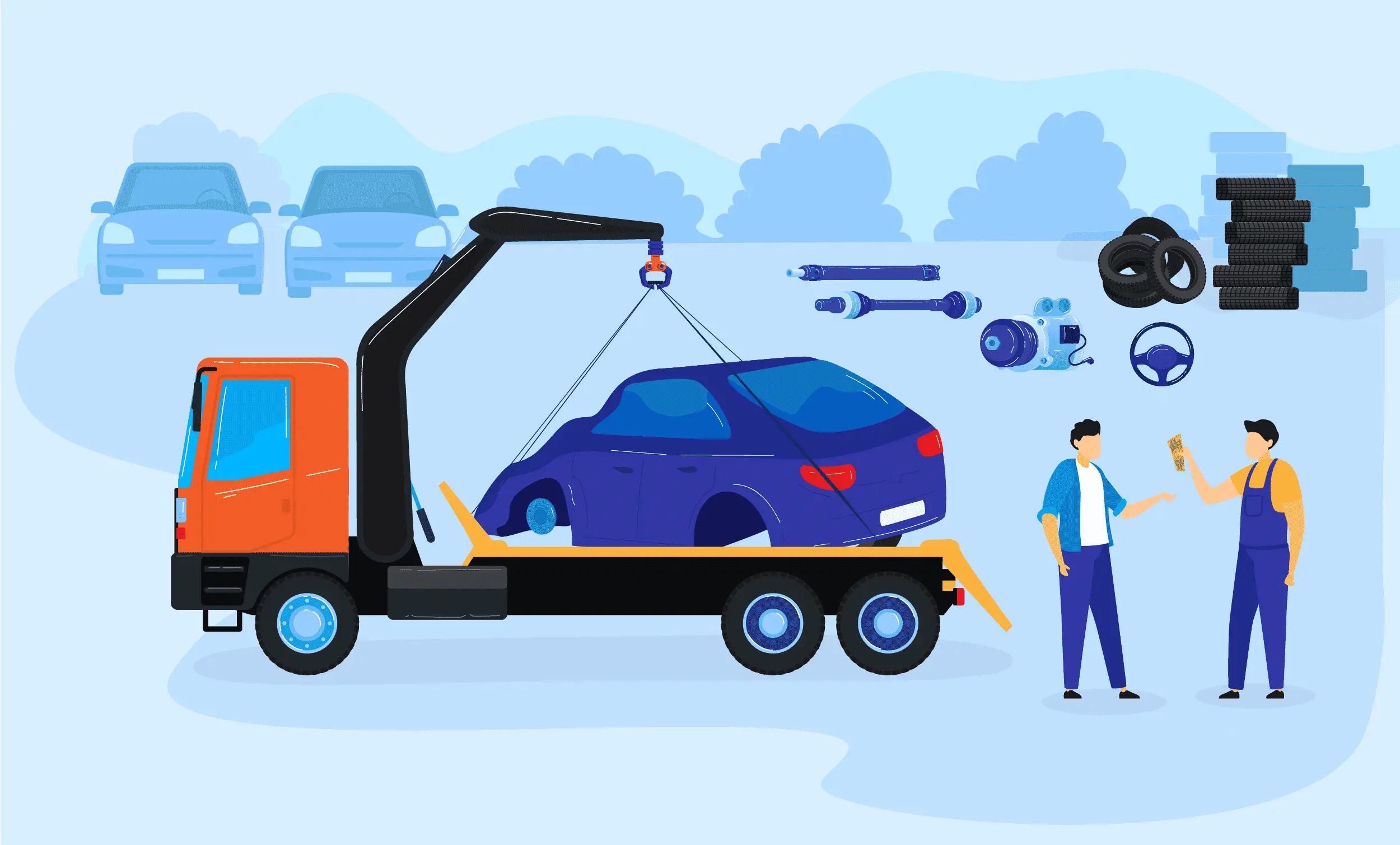
Every year, vehicles in India age past their useful life, and owners are faced with a difficult question—repair, resell, or scrap?
But 2026 has completely changed the dynamics.
With rising environmental awareness, stricter pollution rules, improved scrappage incentives, and more advanced vehicles entering the market, keeping an old car or bike is no longer practical. Scrapping an outdated vehicle through a reliable registered recycler service provider like CarBasket is now the smartest financial, environmental, and safety-friendly choice a vehicle owner can make in 2026.
In this article, let’s break down the real reasons why 2026 is the perfect year to finally say goodbye to your old, polluting, high-maintenance vehicle.
Maintenance Costs in 2026 Are Higher Than Ever for Old Vehicles
Older cars and bikes require more frequent repairs. While inflation affects everything, the automotive repair sector has been hit even harder in 2025–2026 due to rising steel prices, OBD systems, semiconductor components, and labour charges.
Here’s what owners of old vehicles face in 2026:
- Higher cost of mechanical repairs
- Rare or discontinued spare parts
- Heavier fuel consumption
- Repeated breakdowns
- Increasing electrical failures
- Weak suspension and rusting metal frames
Repairing a 15–20-year-old vehicle now costs nearly the same as buying a newer used vehicle. Hence, scrapping is often more economical than repair.
Stricter PUC Norms and Emission Rules in 2026
India’s push for cleaner air has intensified. With more cities adopting:
- Stricter PUC regulations
- BS6 Stage II emission standards
- Smart PUC system with ANPR cameras
- Automatic pollution tracking
…older vehicles are under greater scrutiny.
Vehicles older than 15 years are now failing PUC tests more frequently in 2026, especially those running on outdated carburettor and pre-BS engines. Two-stroke autos, old diesel cars, and early 2000s petrol vehicles emit more toxins than modern vehicles combined.
Scrapping such vehicles helps:
- Reduce PM2.5 and PM10 levels
- Decrease carbon monoxide emissions
- Improve air quality in cities
- Support India’s green mobility goals
Old Vehicles Are No Longer Safe on 2026 Roads
Road safety has improved in modern vehicles, but old cars and bikes still lack basic protection.
Vehicles made before 2015 typically do not have:
- ABS as standard
- Dual airbags
- Reverse parking sensors
- Rigid crash structures
- Traction control or ESP
- Improved braking systems
As roads become faster and traffic density increases, outdated vehicles become extremely unsafe.
In 2026, scrapping old vehicles reduces road accidents caused by:
- Brake failure
- Worn tyres
- Old suspensions
- Steering issues
Safety is no longer optional—it’s essential.
Spare Parts for Old Models Are Nearly Impossible to Find
In 2026, auto manufacturers are focusing more on EVs, hybrids, and modern petrol engines. Many old model spare parts have been discontinued, making repairs:
- Expensive
- Delayed
- Unreliable
- Risky
Counterfeit parts fill the gap, but they reduce safety and increase breakdown risks.
Scrapping is the only practical long-term solution when parts become unavailable.
Poor Fuel Efficiency Costs More in 2026
Fuel prices have steadily climbed in India. An old car with low mileage can drain your wallet faster than you expect. Engines that have crossed 1 lakh–2 lakh kilometres lose efficiency due to wear, carbon deposits, and outdated technology.
Switching to a new vehicle—or an EV—can save thousands per month.
The 2026 Scrappage Ecosystem Offers Better Financial Benefits
As the scrappage ecosystem expands across India in 2026, the benefits have improved:
- Certificate of Deposit (CoD)
- Good scrap value based on weight
- Lower registration fees for new vehicles
- Discount on new vehicles (brand-dependent)
- Reduced road tax in some states
- Faster de-registration processes
CarBasket ensures maximum scrap value using transparent weighing and RTO-compliant procedures.
Resale Value of Old Vehicles Has Hit Rock Bottom in 2026
Ten years ago, even a 15-year-old vehicle could fetch a decent resale value. But in 2026:
- Buyers avoid old models
- Pollution norms discourage old engines
- High maintenance scares buyers
- Newer BS6 and EV options are affordable
This has pushed resale value of old vehicles to almost zero, making scrapping the better choice.
Old Vehicles Become Space-Occupying Junk
Many families keep unused cars in:
- Garages
- Parking lots
- Building basements
- Open grounds
These vehicles only:
- Rust
- Leak fluids
- Collect dust
- Block valuable space
Scrapping them frees up space and removes an unnecessary burden.
Eco-Friendly Recycling Is the Future of 2026
With the rise of RVSFs (Registered Vehicle Scrapping Facilities), scrapping has become an organized, environmentally friendly process. Materials such as:
- Steel
- Aluminium
- Plastics
- Glass
- Rubber
…are responsibly recycled, reducing environmental strain.
And ensures:
- Safe fluid drainage
- Battery recycling
- Metal recovery
- Plastic segregation
- Environment-friendly dismantling
Scrapping Your Old Vehicle in 2026 Is a Smart, Responsible Move
2026 is not the year to delay scrapping your aging car or bike. With stricter pollution laws, higher repair bills, insurance complications, declining resale value, and major safety concerns, holding onto an old vehicle does more harm than good.
Scrapping provides:
✔ Better financial returns
✔ Lower pollution impact
✔ More safety for your family
✔ More space at home
✔ The opportunity to upgrade
CarBasket ensures a smooth, legal, and transparent scrapping experience with:
- Free pickup
- Best scrap price
- RTO-compliant documentation
- Certificate of Deposit
- Eco-friendly recycling
If your vehicle has crossed 10–15 years or is becoming a financial burden, 2026 is the perfect year to scrap it responsibly.